

It is important to take care of your health during the summer. It is necessary for everyone to remain fit in the changing season, and it is necessary that we change our lifestyle so that we can remain completely healthy during the summer days. So, here I am giving some health tips for summer. See these tips below.
Health Tips For Summer:
Summer can be hot and tiring, so taking care of your health is important. Stay hydrated, eat fresh and nutritious foods, wear comfortable cotton clothes, protect your skin and eyes, and avoid unhealthy drinks. Follow these simple health tips to stay fit, fresh, active, and cool throughout summer.

1. Take Light Food:
It is important for us to take care of the diet in summer. You can eat lentils, roti, green vegetables, curd, rice, papad, lemon, pickle, etc. in the food. Eat them in a limited amount.

2. Avoid Spicy Foods:
Avoid eating oily and spicy foods in this season. Boiled potatoes used in it can be stale, which can make you sick in food poisoning or other ways. Chips, snacks, oil, and ghee meals have a thermal effect, which produces heat.

3. Drink More Water:
Stay hydrated during summer by drinking plenty of water throughout the day. Hot weather causes your body to lose fluids through sweating, so regular water intake helps prevent dehydration, tiredness, and dizziness. Carry a water bottle wherever you go and choose fresh coconut water or healthy fluids for added refreshment.

4. Take Care Of Your Eyes:
Protect your eyes and skin from the strong summer sun. Wear sunglasses and a wide-brimmed hat when outdoors. Bathe at least twice a day in summer. Drink plenty of water to keep your skin hydrated, and eat fresh fruits and vegetables for healthy skin and eyes.

5. Wear Cotton Clothes:
Choose light, loose-fitting cotton clothes during summer to stay cool and comfortable. Cotton allows air to circulate and absorbs sweat, helping your body stay dry. Wear light-colored clothes because they reflect sunlight and reduce heat absorption. Comfortable cotton outfits can also help prevent skin irritation and keep you fresh.

6. Drink Refreshing Drinks:
In summer, lemonade and buttermilk should be taken in good quantity. These types of beverages not only cause coolness in the body but also lack water in the body.
Coconut Water and Watermelon juice give freshness as well as quench thirst. Coconut water provides many beneficial vitamins, antioxidants, amino acids, enzymes, B-complex vitamins, vitamin C, etc. are present. It is very good to take vitamin- and mineral-rich sugarcane juice in terms of physical health.

7. Avoid Sweet and Carbonated Drinks:
Avoid drinking too many carbonated beverages during summer. They often contain high amounts of sugar and may not hydrate your body as effectively as water. Instead, choose water, fresh fruit juices, coconut water, or homemade drinks. Healthy beverages can keep you refreshed, hydrated, and energetic throughout hot summer days
8. Use Sunscreen:
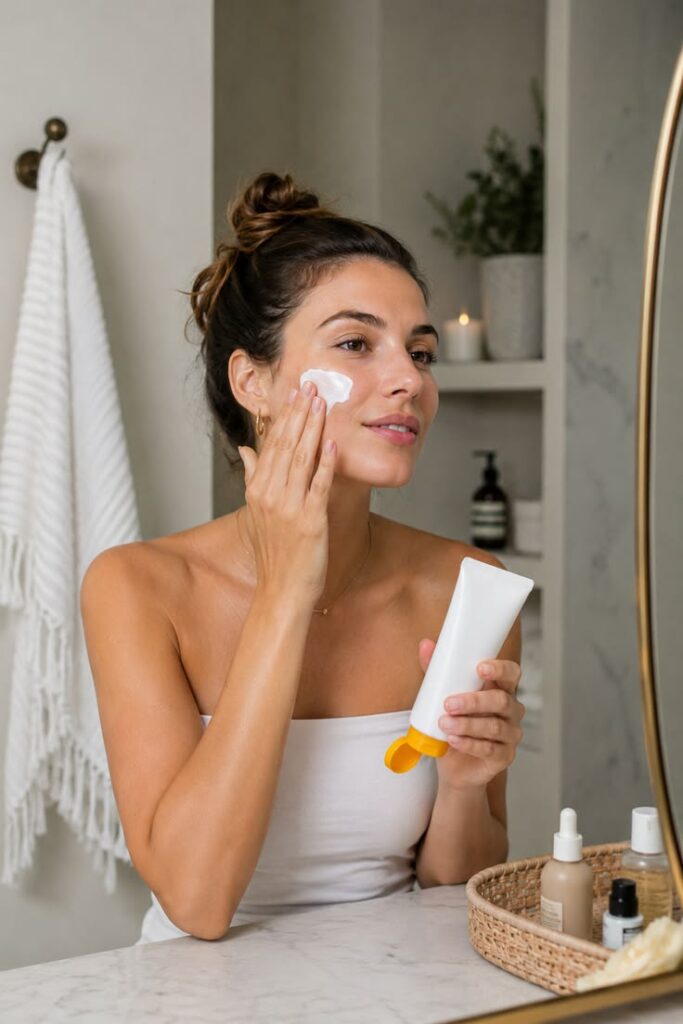
For summer skin protection, use a broad-spectrum sunscreen with SPF 30 or higher. Apply it generously to exposed skin 15 minutes before going outdoors and reapply every 2 hours, or more often after swimming or heavy sweating. Wear sunglasses and a hat for extra protection from the sun.

9. Exercise During Cooler Hours:
Avoid exercising outdoors during the hottest part of the day. Choose early morning or evening for walking, yoga, cycling, or other physical activities. Drink enough water before, during, and after exercise to prevent dehydration and overheating.
10. Eat Fresh Fruits:
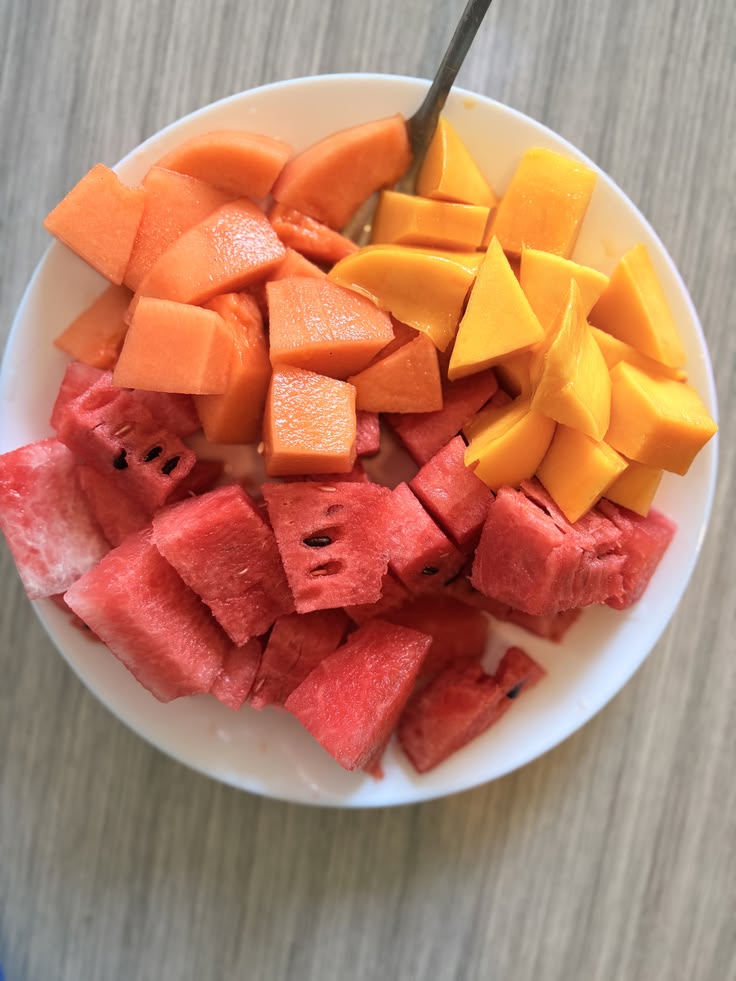
Include seasonal fruits such as Mango, watermelon, cucumber, oranges, muskmelon, and papaya in your summer diet. They provide essential vitamins, minerals, and fluids that help keep your body nourished and refreshed.

11. Get Enough Sleep:
Hot weather can make it difficult to sleep comfortably. Keep your bedroom cool and well-ventilated, wear light cotton nightwear, and maintain a regular sleep schedule. Getting enough sleep helps your body stay energetic and healthy.
12. Maintain Personal Hygiene:
Summer heat and sweating can encourage the growth of bacteria and cause skin problems. Take regular baths, wash your hands frequently, wear clean clothes, and keep your surroundings clean to stay fresh and reduce the risk of infections.

13. Avoid Direct Sunlight:
Try to stay indoors or in the shade during the hottest hours of the day, especially between late morning and afternoon. If you need to go outside, carry an umbrella, wear a hat, and use sunscreen to protect yourself from excessive heat and sunlight.

14. Limit Outdoor Activities in Extreme Heat:
Avoid staying outdoors for long periods during very hot weather. Plan outdoor activities for the early morning or evening when temperatures are lower. Take regular breaks in the shade and drink water to stay comfortable.

15. Stay in Shaded Areas:
When you are outdoors, try to stay in shaded areas whenever possible. Use an umbrella or hat to reduce direct exposure to sunlight. Taking breaks in the shade can help your body stay cooler and reduce the risk of heat-related problems.
How To Be Safe From Heatstroke:
Heatstroke is a serious heat-related emergency that can happen when the body becomes dangerously overheated. It requires immediate action because it can cause organ damage if treatment is delayed.
Warning Signs of Heatstroke
Watch for these signs, especially after spending time in extreme heat:
- Very high body temperature, usually around 40°C (104°F) or higher
- Confusion, unusual behavior, or difficulty staying awake
- Severe headache or dizziness
- Nausea or vomiting
- Weakness or loss of coordination
- Seizures or loss of consciousness
- Hot skin, which may be dry or sweaty
When to Get Emergency Help?
Heatstroke is a medical emergency. If someone shows signs of heatstroke, call your local emergency medical service immediately. While waiting for help, move the person to a cool or shaded place, remove unnecessary clothing, and cool the body with cool, wet cloths or by gently spraying with cool water and fanning.
Do not give fluids to a person who is confused, unconscious, or unable to swallow safely. Do not delay emergency medical care while trying home remedies.
How to Help Prevent Heatstroke
Stay hydrated, avoid strenuous activity during the hottest part of the day, wear loose and lightweight clothing, take frequent breaks in cool or shaded places, and never leave children, older adults, or anyone else alone in a parked vehicle.
Summer Health Advice:
Indian summers can be particularly challenging for people who are more vulnerable to dehydration and heat-related illness. Children, older adults, pregnant women, and outdoor workers should take extra precautions to stay cool and hydrated.
1. Children
Children can become dehydrated or overheated quickly, especially while playing outdoors.
- Encourage children to drink water regularly rather than waiting until they feel thirsty.
- Dress them in loose, lightweight, light-colored cotton clothes.
- Keep outdoor play to cooler hours, preferably early morning or evening.
- Make sure they take frequent breaks in a shaded or cool place.
- Never leave a child alone inside a parked vehicle, even for a short time.
2. Elderly People
Older adults may be more vulnerable to heat because their bodies may not adjust to high temperatures as effectively.
- Encourage regular fluid intake, unless a doctor has advised fluid restriction.
- Stay indoors or in a cool, well-ventilated place during the hottest part of the day.
- Wear loose, breathable clothing and use a hat or umbrella when going outside.
- Check on elderly family members regularly during heatwaves.
- People taking regular medicines should follow their doctor’s advice and should not change or stop medicines on their own because of hot weather.
3. Pregnant Women
Pregnancy can make it harder for the body to cope with extreme heat, so extra care is important.
- Drink water regularly throughout the day and carry a water bottle when going outside.
- Avoid strenuous outdoor activities during the hottest hours.
- Wear loose, breathable cotton clothing and stay in cool, shaded areas.
- Take frequent rest breaks and avoid prolonged exposure to direct sunlight.
- Seek medical advice promptly if there is severe dizziness, fainting, persistent vomiting, unusual weakness, or other concerning symptoms.
4. Outdoor Workers
Construction workers, delivery workers, farmers, street vendors, traffic personnel, and others who work outdoors face prolonged exposure to heat.
- Drink water frequently throughout the workday and do not wait until you feel very thirsty.
- Take regular breaks in shaded or cool areas whenever possible.
- Wear lightweight, breathable clothing and use a wide-brimmed hat or other appropriate sun protection.
- Schedule heavy physical work during cooler hours whenever possible.
- Employers should provide access to drinking water, shaded rest areas, and appropriate breaks during extreme heat.
- Watch for headache, dizziness, unusual weakness, confusion, nausea, or other signs of heat illness and get medical help when necessary.
Heatstroke can affect anyone, but these groups need extra protection. During periods of extreme heat, staying hydrated, reducing exposure to direct sunlight, taking regular cooling breaks, and recognizing early warning signs can help prevent serious heat-related illness.
7 Traditional Indian Summer Coolers:
India has a rich tradition of refreshing summer drinks made from natural ingredients. Drinks such as aam panna, sattu sharbat, bel sharbat, chaas, gond katira, and nimbu pani can provide fluids and make hot days more refreshing. ORS is especially useful for replacing water and salts when the body loses significant fluids.
1. Aam Panna:
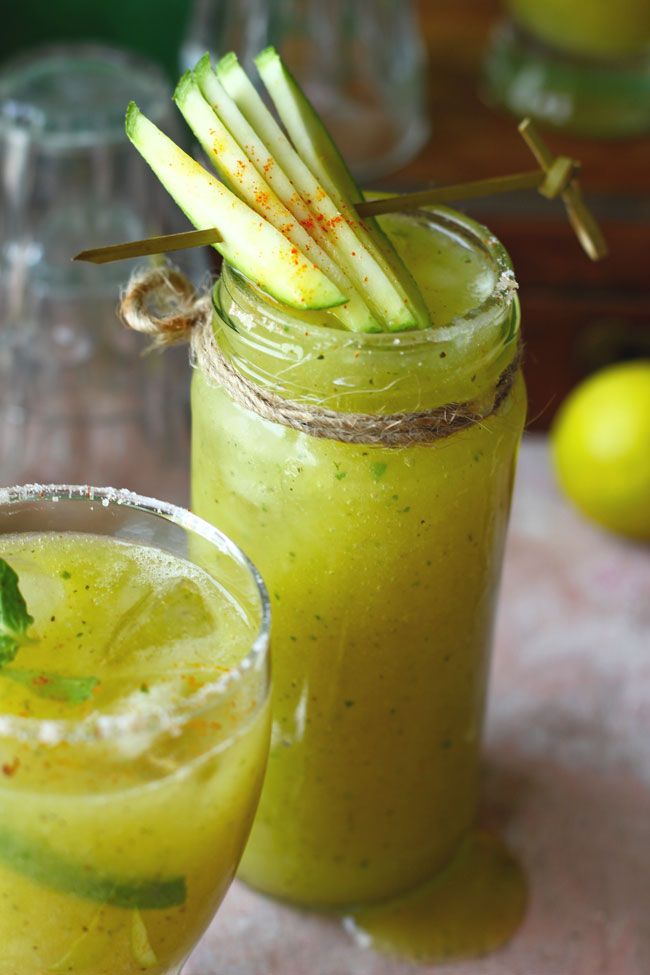
Aam panna is a refreshing drink made from raw mangoes. It is traditionally enjoyed during summer and provides fluids, while its tangy, salty-sweet flavor can help make hydration more enjoyable.
How to make:
- Boil or roast 2 raw mangoes until soft.
- Remove the pulp and blend it with water, roasted cumin powder, black salt, and a little jaggery or sugar.
- Dilute to taste and serve chilled.
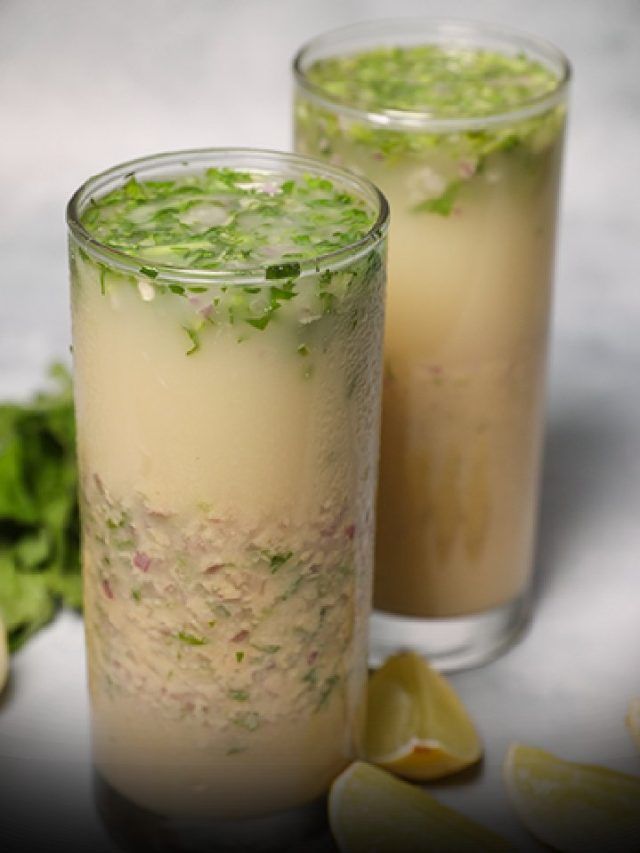
2. Sattu Sharbat:
Sattu sharbat is a traditional drink made from roasted gram flour. It provides fluids along with some protein and carbohydrates, making it a filling and refreshing choice on hot days.
How to make:
- Add 2–3 tablespoons of sattu to a glass of cool water.
- Mix thoroughly and add lemon juice, roasted cumin powder, black salt, and a little jaggery if desired.
- Stir well and drink fresh.
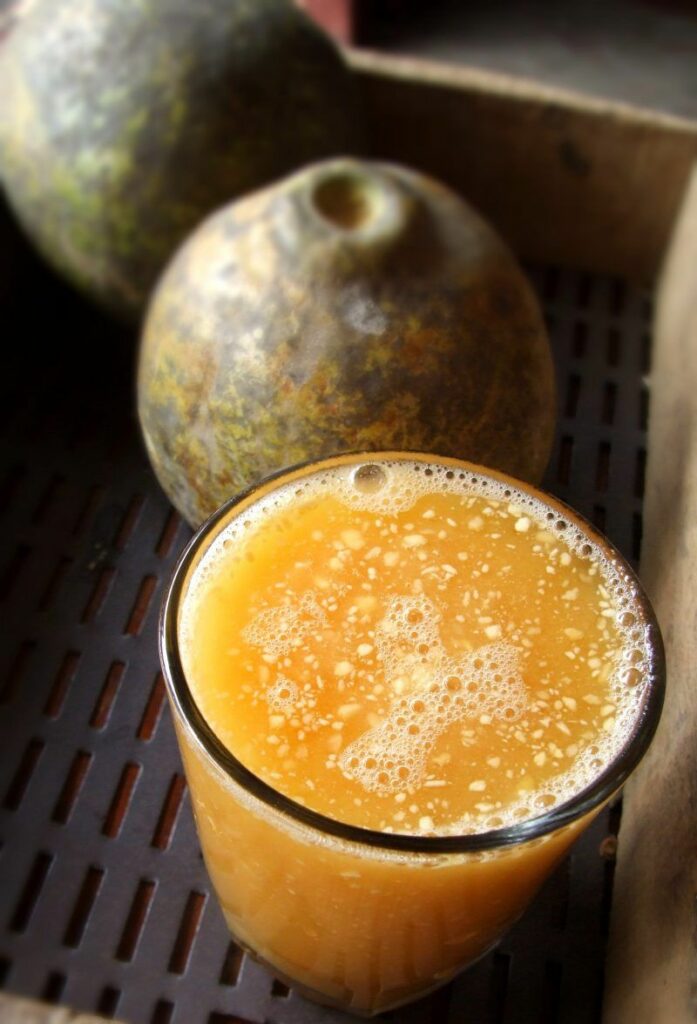
3. Bel Sharbat
Bel sharbat is made from the pulp of the bael fruit and is traditionally consumed in summer. Its refreshing taste makes it a popular homemade drink for hot weather.
How to make:
- Scoop out the pulp of 1 ripe bael fruit and soak it in water for about 30 minutes.
- Mash it thoroughly and strain the mixture.
- Add more water and a little jaggery or sugar according to taste.
- Serve chilled.
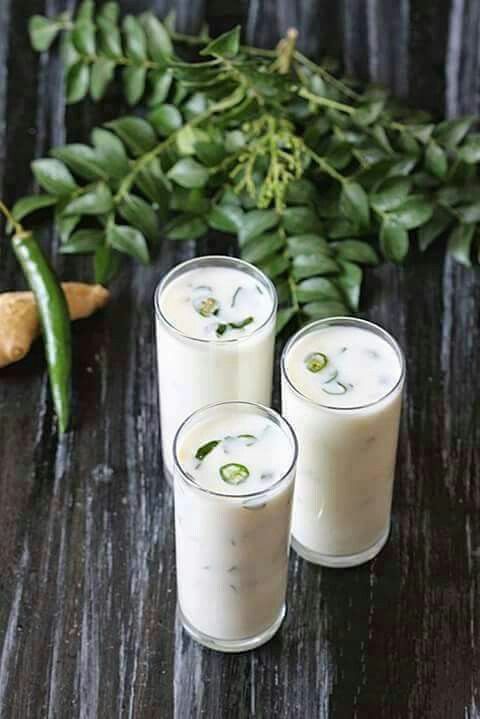
4. Chaas:
Chaas, or buttermilk, is a light and refreshing curd-based drink commonly enjoyed with summer meals. It provides fluids and is easy to prepare at home.
How to make:
- Whisk ½ cup fresh curd with about 1 cup of water until smooth.
- Add roasted cumin powder, black salt, and chopped coriander or mint.
- Mix well and serve chilled.
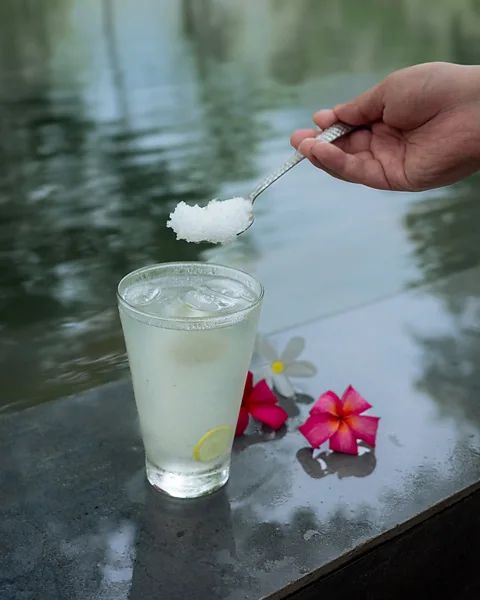
5. Gond Katira:
Gond katira is an edible natural gum traditionally used in summer drinks. When soaked in water, it becomes soft and jelly-like. Adding it to a drink can make it refreshing and cooling in hot weather.
How to make:
- Soak 1 teaspoon of food-grade edible gond katira in clean water overnight.
- In the morning, add 1–2 tablespoons of the soaked gond katira to a glass of chilled water.
- Add the juice of ½ lemon, a little jaggery, and a pinch of black salt.
- Stir well and serve chilled.
6. Nimbu Pani:
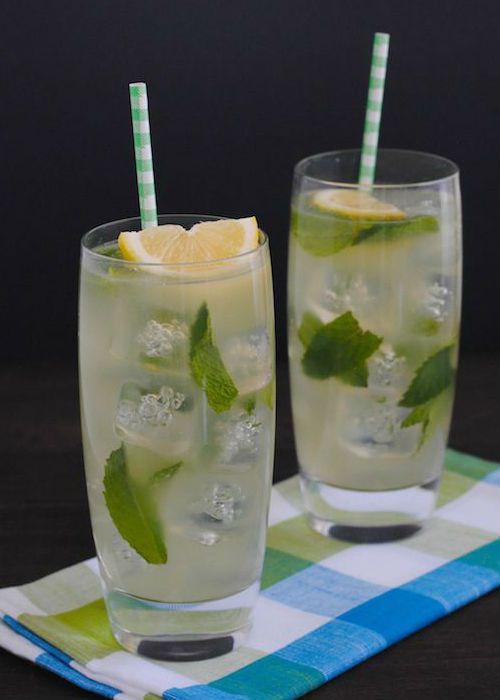
Nimbu pani is one of the simplest Indian summer drinks. It provides fluids and can be a refreshing alternative to sugary packaged beverages.
How to make:
- Squeeze the juice of 1 lemon into a glass of clean, cool water.
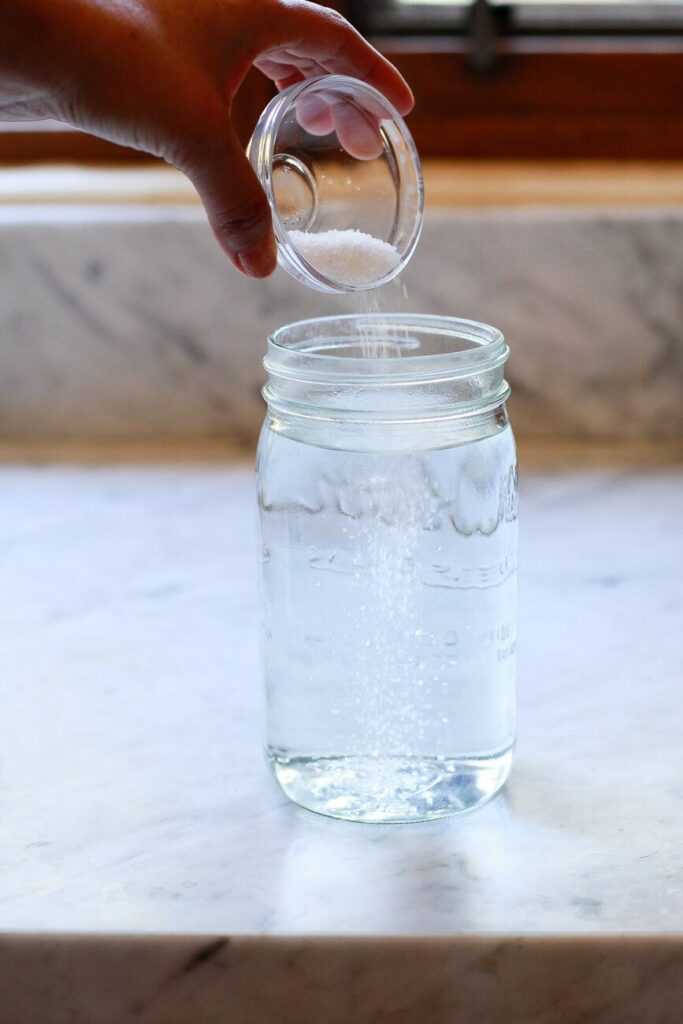
- Add a small amount of sugar or jaggery and a pinch of salt according to taste.
- Stir well and serve chilled.
7. ORS:
ORS (Oral Rehydration Solution) is different from ordinary summer coolers. It is specifically designed to replace water and essential salts lost during dehydration, particularly from diarrhea or vomiting.
How to make:
- Use a commercially prepared ORS packet and mix it with exactly the amount of clean water stated on the packet.
- Stir until completely dissolved.
- Do not add extra sugar, salt, juice, or other ingredients.
- Use the prepared solution within the time recommended on the packet.
These traditional drinks can make summer hydration more enjoyable. However, most healthy people can rely mainly on plain water for everyday hydration. Choose homemade drinks with limited added sugar, and use ORS when it is needed for significant fluid and electrolyte loss rather than as an everyday beverage.
Conclusion:
Summer can be enjoyable when we take proper care of our health. Drink plenty of water, eat fresh foods, wear comfortable cotton clothes, protect your skin and eyes, and avoid unhealthy drinks. By following these simple tips, you can stay hydrated, fit, energetic, and cool throughout the hot summer season.
FAQs:
Q. How much water should I drink in summer?
A. Drink water regularly throughout the day. Your needs may increase when the weather is hot or you are physically active.
Q. Why should I wear cotton clothes in summer?
A. Cotton clothes are light, breathable, and absorb sweat, helping you stay cool and comfortable.
Q. Is lemon water good for summer?
A. Yes, homemade lemon water can be a refreshing way to increase fluid intake, especially when prepared with little or no added sugar.
Q. When should I drink ORS?
A. ORS is useful when you have significant fluid and salt loss, such as from diarrhea, vomiting, or heavy sweating.
Q. Why should I avoid carbonated drinks?
A. Many carbonated drinks contain lots of added sugar. Water and other healthier drinks are generally better choices for staying hydrated.
Q. How can I protect my skin and eyes in summer?
A. Use sunscreen, wear sunglasses and a hat, and avoid spending too much time in strong sunlight.
Q. What foods are good during summer?
A. Choose fresh fruits, vegetables, salads, and other light, nutritious foods. These can help provide water, vitamins, and minerals.
Q. How can I stay fit during hot weather?
A. Exercise during cooler parts of the day, stay hydrated, and avoid strenuous outdoor activity during extreme heat.
 James
James