
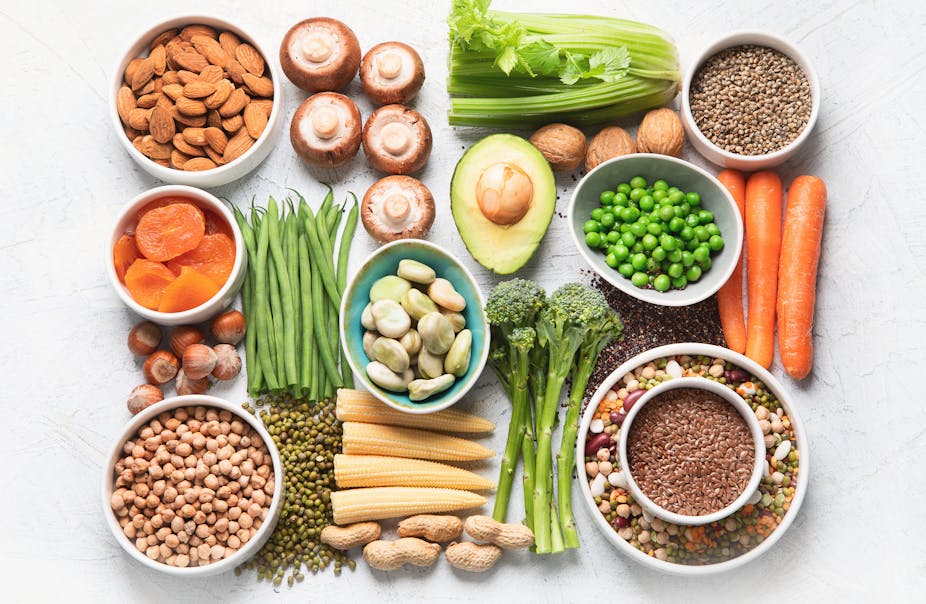
A vegan lifestyle involves complete abstinence from meat, fish, eggs, and all animal-derived products. While many people associate veganism with weight loss or detoxification, fewer realize that a Vegan Diet For Muscle Building can be just as effective as a non-vegetarian diet—when planned correctly.
With the right balance of calories, protein, carbohydrates, and healthy fats, a vegan diet can help you build lean muscle, improve recovery, and enhance overall performance.
Can You Build Muscle on a Vegan Diet?
Yes, absolutely. Muscle building depends on three core factors:
Progressive strength training
Adequate calorie intake
Sufficient protein and nutrients
A well-structured Vegan Diet For Muscle Building can meet all these requirements using plant-based foods and supplements if necessary.
Several studies suggest that plant-based diets may also:
Reduce inflammation
Improve digestion
Lower cholesterol levels
Support mental clarity and endurance
Why More Athletes Are Choosing a Vegan Diet
In recent years, many athletes have switched to vegan diets due to:
Environmental concerns
Health benefits
Ethical reasons
Reduced digestive stress
Research has shown that the average vegan tends to have lower body fat and better metabolic health compared to meat-eaters, which can be advantageous for lean muscle development.
Protein Requirements in a Vegan Diet For Muscle Building
Protein is the most critical nutrient for muscle growth.
How Much Protein Do You Need?
For muscle building:
1.6–2.2 g protein per kg of body weight per day
Although plant foods generally contain less protein per serving than animal products, combining multiple protein sources ensures all essential amino acids are covered.
Best Foods for a Vegan Diet For Muscle Building
1. Legumes (Protein Powerhouses)
Lentils
Chickpeas
Kidney beans
Black beans
Rich in protein, complex carbs, and fiber—ideal for muscle recovery and energy.
2. Soy Products
Tofu
Tempeh
Soy milk
Soy is a complete plant protein, making it a cornerstone of a Vegan Diet For Muscle Building.
3. Whole Grains & Starchy Foods
Brown rice
Quinoa
Oats
Whole wheat pasta
Sweet potatoes
These provide carbohydrates needed to fuel intense workouts.
4. Nuts & Seeds
Almonds
Walnuts
Chia seeds
Flaxseeds
Pumpkin seeds
Hemp seeds
They offer healthy fats, protein, and minerals that support hormone production.
5. Vegetables & Greens
Spinach
Broccoli
Asparagus
Green peas
Though lower in protein, they supply micronutrients essential for muscle function.
6. Fruits
Bananas
Avocados
Berries
Bananas are especially useful pre- or post-workout due to their carbohydrate content.
High-Protein Plant Foods to Focus On
Some of the best protein-rich foods for a Vegan Diet For Muscle Building include:
Soybeans
Lentils
Chickpeas
Green peas
Sesame seeds
Chia seeds
Nuts and nut butter
Broccoli
Spinach
Role of Supplements in a Vegan Diet For Muscle Building
While whole foods should always come first, supplements can help fill gaps.
Helpful Vegan Supplements
Plant-based protein powder (pea, rice, soy blend)
Vitamin B12
Omega-3 (algae-based)
Creatine (vegan-friendly)
Supplements are not mandatory but can optimize results, especially for athletes.
Sample Vegan Muscle-Building Meal Structure
Breakfast: Oats with nut butter, seeds, and soy milk
Mid-meal: Fruit + nuts
Lunch: Brown rice, lentils, vegetables, tofu
Pre-workout: Banana or smoothie
Post-workout: Vegan protein shake
Dinner: Quinoa, chickpeas, salad, olive oil
Common Myths About Vegan Muscle Building
❌ Vegan diets lack protein
❌ Plant food can’t build muscle
❌ Vegan meals are boring
✅ Truth: A properly planned Vegan Diet For Muscle Building can be diverse, tasty, and highly effective.
Benefits of a Vegan Diet For Muscle Building
Lean muscle gain
Faster digestion
Reduced inflammation
Better heart health
Improved recovery
Ethical and eco-friendly
FAQs:
Q. Is a vegan diet effective for muscle building?
A. Yes. With adequate calories and protein, a Vegan Diet For Muscle Building can produce excellent muscle gains.
Q. Can vegans meet daily protein needs without supplements?
A. Yes, through legumes, soy products, nuts, seeds, and whole grains—though supplements can make it easier.
Q. What is the best vegan protein source for muscle gain?
A. Soy products, lentils, chickpeas, and plant protein powders are among the best.
Q. Do vegan athletes recover more slowly?
A. No. Many vegan athletes report faster recovery due to lower inflammation.
Q. Is a vegan diet suitable for beginners in the gym?
A. Absolutely. Beginners can thrive on a Vegan Diet For Muscle Building with proper planning.
Q. Will I lose weight on a vegan muscle-building diet?
A. Only if you eat fewer calories than required. Muscle gain requires a calorie surplus.
Conclusion:
A Vegan Diet For Muscle Building is not only possible but highly effective when done correctly. By focusing on whole plant foods, sufficient protein intake, smart supplementation, and consistent training, you can build strength, size, and endurance without animal products.
Muscle growth doesn’t depend on meat—it depends on nutrition, discipline, and consistency
Refusal of animal food and Diet For Vegetarian can be caused by various reasons. There is no scientific evidence of the benefits of this or that type of nutrition, so it is impossible to talk about the benefits or harms of vegetarianism on sports and fitness indicators.
 Amrita