
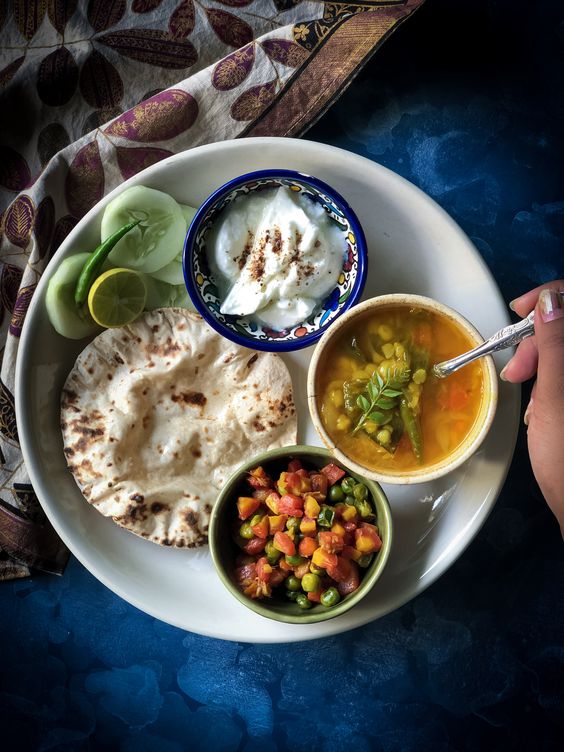
A 1500 Calorie Indian Diet For Weight Loss can be a practical approach to managing calorie intake while enjoying familiar, nutritious Indian foods. A well-planned diet can include whole grains, lentils, vegetables, fruits, low-fat dairy, and adequate protein to support fullness and overall nutrition. Portion control, balanced meals, limited added sugar, and moderate use of cooking oil are important for staying within the daily calorie target. Traditional options such as roti, dal, sabzi, idli, poha, curd, and khichdi can easily be incorporated. Individual calorie requirements vary, so this plan should be adjusted according to personal needs, activity level, and professional dietary advice.
What Is a 1500 Calorie Indian Diet For Weight Loss?
If you are on a calorie-restrictive diet and feel hungry most of the time, then you have come to the perfect place! Today we will tell you that a 1500-calorie Indian diet plan helps you lose weight by creating a calorie deficit, that too without making you feel hungry.
Reducing your overall calorie intake can help you lose weight easily, but make sure that it does not cause any more health problems such as fatigue, headaches, etc. Once you feel unwell, immediately contact a physician.
This diet chart has taken care that you get the necessary vitamins and minerals. By the way, it will not necessarily be fully applicable to every person. However, you can also tweak it a bit. The Indian diet chart for weight loss should include six meals a day.
1500 Calorie Indian Diet:
You should try to understand this from this example. According to dieticians, the participation of carbohydrates in any balanced diet should be 50-60 percent, not more than this. Now, if you want, you can complete it by eating sweets, and if you want starchy carbohydrates like bread, rice, corn, lentils;
Only from these things will he get vitamins, minerals, natural fiber, and other essential nutrients that are necessary for good health. In comparison, there will be some pleasure in eating sweets, but it is also a storehouse of many calories, which is not right for a diabetic patient. So let’s see the 1500-calorie Indian diet.
Sample One Day 1500 Calorie Indian Diet Vegetarian:
Here is a sample vegetarian Indian diet plan totaling approximately 1,500 kcal/day. Calories are approximate and vary with recipe, portion size, and cooking oil.
| Meal | Food item | Portion | Approx. calories |
|---|---|---|---|
| Early morning | Warm water + lemon (no sugar) | 1 glass | 5 kcal |
| Breakfast | Vegetable poha | 1 medium bowl (~200 g) | 280 kcal |
| Low-fat curd | 100 g | 60 kcal | |
| Mid-morning | Apple | 1 medium | 95 kcal |
| Lunch | 2 whole-wheat rotis | 2 | 200 kcal |
| Dal | 1 cup | 180 kcal | |
| Mixed vegetable sabzi | 1 cup | 120 kcal | |
| Salad | 1 medium bowl | 40 kcal | |
| Evening snack | Roasted chana | 30 g | 120 kcal |
| Tea with low-fat milk, no sugar | 1 cup | 45 kcal | |
| Dinner | Vegetable khichdi | 1½ cups | 300 kcal |
| Low-fat curd | 100 g | 60 kcal | |
| Daily total | ≈1,505 kcal |
Simple Portion Guide:
- Roti: approximately 30 g whole-wheat flour per roti, without ghee.
- Dal: prepared with limited oil.
- Sabzi: preferably cooked with about 1 tsp oil per serving.
- Poha/khichdi: include plenty of vegetables for volume and fibre.
- Tea: calories assume low-fat milk and no added sugar.
Important:
A 1,500-calorie diet is not appropriate for everyone. Individual calorie needs depend on age, sex, height, weight, activity level and health status. If this is for weight loss or a medical condition, a registered dietitian can personalize the portions and nutrition targets.
Sample One Day 1,500-Calorie Indian Non-Vegetarian Diet Plan
Here is a sample 1,500 kcal Indian non-vegetarian diet plan for weight management. Calorie values are approximate and can vary depending on preparation, portion size, and cooking oil.
| Meal | Food item | Portion | Calories |
|---|---|---|---|
| Early morning | Lemon water, no sugar | 1 glass | 5 kcal |
| Breakfast | 2-egg vegetable omelette | 2 eggs + vegetables | 190 kcal |
| Whole-wheat toast | 2 slices | 140 kcal | |
| Mid-morning | Apple | 1 medium | 95 kcal |
| Lunch | Whole-wheat roti | 2 | 200 kcal |
| Grilled/low-oil chicken curry | 120 g chicken | 220 kcal | |
| Mixed vegetable sabzi | 1 cup | 120 kcal | |
| Salad | 1 bowl | 40 kcal | |
| Evening snack | Roasted chana | 25 g | 100 kcal |
| Tea with low-fat milk, no sugar | 1 cup | 45 kcal | |
| Dinner | Grilled fish | 120 g | 180 kcal |
| Vegetable soup | 1 bowl | 80 kcal | |
| Low-fat curd | 100 g | 60 kcal | |
| Daily total | ≈1,475 kcal |
Easy alternatives
- Chicken: Replace with lean turkey or another suitable lean protein.
- Fish: Choose grilled, steamed or baked fish rather than deep-fried preparations.
- Eggs: Boiled eggs can replace the omelette.
- Roti: Can be replaced with a controlled portion of brown rice.
- Curd: Choose unsweetened low-fat curd.
For weight loss, the total calorie deficit over time matters more than whether individual foods are labelled “diet” foods. Keep cooking oil measured, prioritize protein and vegetables, and limit fried foods, sugary drinks and sweets. Individual calorie requirements vary, so 1,500 kcal may not be appropriate for everyone.
7-Day 1,500-Calorie Indian Diet Plan:
Calories are approximate. Actual values vary with portion size, ingredients, cooking method, and oil used.
Day 1 = 1,500 kcal
| Meal | Food | Calories |
|---|---|---|
| Breakfast | 2-egg vegetable omelette | 190 |
| 2 whole-wheat toast | 140 | |
| Mid-morning | Apple | 95 |
| Lunch | 2 rotis | 200 |
| Chicken curry, 120 g | 220 | |
| Mixed vegetable sabzi, 1 cup | 120 | |
| Salad | 40 | |
| Snack | Roasted chana, 30 g | 120 |
| Tea with low-fat milk, no sugar | 45 | |
| Dinner | Grilled fish, 120 g | 180 |
| Vegetable soup | 80 | |
| Low-fat curd, 100 g | 60 | |
| Total | 1,490 kcal |
Day 2 = 1,500 kcal
| Meal | Food | Calories |
|---|---|---|
| Breakfast | Vegetable poha, 1 bowl | 280 |
| 1 boiled egg | 70 | |
| Mid-morning | Orange | 65 |
| Lunch | 2 rotis | 200 |
| Dal, 1 cup | 180 | |
| Grilled chicken, 100 g | 165 | |
| Salad | 40 | |
| Snack | Buttermilk, 250 ml | 60 |
| Roasted makhana, 25 g | 90 | |
| Dinner | Fish curry, 120 g | 200 |
| Cooked rice, ½ cup | 110 | |
| Vegetable sabzi, 1 cup | 100 | |
| Total | 1,560 kcal |
Day 3 = 1,500 kcal
| Meal | Food | Calories |
|---|---|---|
| Breakfast | 2 idlis | 120 |
| Sambar, 1 cup | 120 | |
| 1 boiled egg | 70 | |
| Mid-morning | Guava | 70 |
| Lunch | 2 rotis | 200 |
| Chicken curry, 120 g | 220 | |
| Vegetable sabzi | 120 | |
| Salad | 40 | |
| Snack | Greek/low-fat curd, 150 g | 100 |
| Roasted chana, 25 g | 100 | |
| Dinner | 2-egg bhurji | 180 |
| 1 roti | 100 | |
| Vegetable soup | 80 | |
| Total | 1,520 kcal |
Day 4 =1,500 kcal
| Meal | Food | Calories |
|---|---|---|
| Breakfast | 2 moong-dal chillas | 240 |
| Low-fat curd, 100 g | 60 | |
| Mid-morning | Apple | 95 |
| Lunch | 2 rotis | 200 |
| Fish curry, 120 g | 200 | |
| Vegetable sabzi | 120 | |
| Salad | 40 | |
| Snack | 1 boiled egg | 70 |
| Roasted makhana, 25 g | 90 | |
| Dinner | Chicken tikka, 120 g | 220 |
| Vegetable soup | 80 | |
| 1 roti | 100 | |
| Total | 1,515 kcal |
Day 5 = 1,500 kcal
| Meal | Food | Calories |
|---|---|---|
| Breakfast | Vegetable upma, 1 bowl | 280 |
| 1 boiled egg | 70 | |
| Mid-morning | Papaya, 1 cup | 55 |
| Lunch | 2 rotis | 200 |
| Dal, 1 cup | 180 | |
| Grilled chicken, 100 g | 165 | |
| Salad | 40 | |
| Snack | Buttermilk | 60 |
| Roasted chana, 25 g | 100 | |
| Dinner | Grilled fish, 120 g | 180 |
| Vegetable sabzi | 120 | |
| Low-fat curd, 100 g | 60 | |
| Total | 1,510 kcal |
Day 6 = 1,500 kcal
| Meal | Food | Calories |
|---|---|---|
| Breakfast | 2-egg bhurji | 180 |
| 2 whole-wheat toast | 140 | |
| Mid-morning | Orange | 65 |
| Lunch | 2 rotis | 200 |
| Chicken curry, 120 g | 220 | |
| Vegetable sabzi | 120 | |
| Salad | 40 | |
| Snack | Low-fat curd, 150 g | 90 |
| Roasted chana, 25 g | 100 | |
| Dinner | Fish curry, 120 g | 200 |
| Vegetable soup | 80 | |
| 1 roti | 100 | |
| Total | 1,535 kcal |
Day 7 = 1,500 kcal
| Meal | Food | Calories |
|---|---|---|
| Breakfast | Vegetable poha, 1 bowl | 280 |
| 1 boiled egg | 70 | |
| Mid-morning | Guava | 70 |
| Lunch | 2 rotis | 200 |
| Grilled chicken, 120 g | 200 | |
| Dal, ½ cup | 90 | |
| Salad | 40 | |
| Snack | Buttermilk | 60 |
| Roasted makhana, 25 g | 90 | |
| Dinner | 2-egg vegetable omelette | 190 |
| 1 roti | 100 | |
| Vegetable soup | 80 | |
| Total | 1,470 kcal |
Calorie Maths
The basic calculation is:
Daily calorie intake = breakfast + mid-morning snack + lunch + evening snack + dinner
For example, Day 1:
330 + 95 + 580 + 165 + 320 = 1,490 kcal
Because food calorie values vary, aiming for approximately 1,450–1,550 kcal rather than exactly 1,500 kcal is generally more practical when preparing a sample meal plan. Download this 7-day diet chart in PDF here.
Note: A 1,500-calorie diet is not appropriate for everyone. Individual calorie requirements depend on factors such as age, sex, body size, activity level and health status. Anyone with a medical condition, who is pregnant or breastfeeding, underweight, or has a history of an eating disorder should seek individualized professional advice before following a calorie-restricted diet.
Foods To Include In 1500 Calorie Indian Diet:
If you are a vegetarian and want to lose weight, there are many delicious foods and drinks that you can include in your diet to lose weight. Diet chart for women for a healthy lifestyle: helpful information and instructions. Best diet plan for weight control and overall health.
Try Including The Following Ingredients In Your Daily Diet Plan:
- Vegetables: Tomato, Spinach, Brinjal, Mustard Greens, Ladyfinger, Onion, Bitter Gourd, Cauliflower, Mushroom, Cabbage, etc.
- Fruits: Mango, Papaya, Pomegranate, Guava, Orange, Tamarind, Litchi, Apple, Watermelon, Pear, Plum, Banana, etc.
- Dry Fruits And Seeds: Cashews, Almonds, Peanuts, Pistachios, Pumpkin Seeds, Sesame Seeds, Watermelon Seeds, etc.
- Legumes: Moong, Soybean, Kidney Beans, Lentils, Gram And Chickpeas
- Roots And Tubers: Potatoes, Carrots, Sweet Potatoes, Turnips, Yams
- Grains: Brown Rice, Basmati Rice, Millet, Buckwheat, Quinoa, Barley, Corn, Amaranth, Sorghum
- Dairy Products: Curd, Milk, Butter, Ghee
- Herbs And Spices: Garlic, Ginger, Cardamom, Cumin, Coriander, Garam Masala, Paprika, Turmeric, Black Pepper, Fenugreek, Basil, etc.
- Healthy Fats: Coconut Milk, Full-Fat Dairy, Avocado, Coconut Oil, Mustard Oil, Olive Oil, Peanut Oil, Sesame Oil, Ghee
- Protein Sources: Tofu, Legumes, Dairy, Nuts And Seeds
Meals and snacks should focus on fresh foods that are rich in herbs and spices. Additionally, adding non-starchy vegetables like greens, eggplant, or tomatoes to your meals provides plenty of fiber that can help you feel satisfied longer after eating.
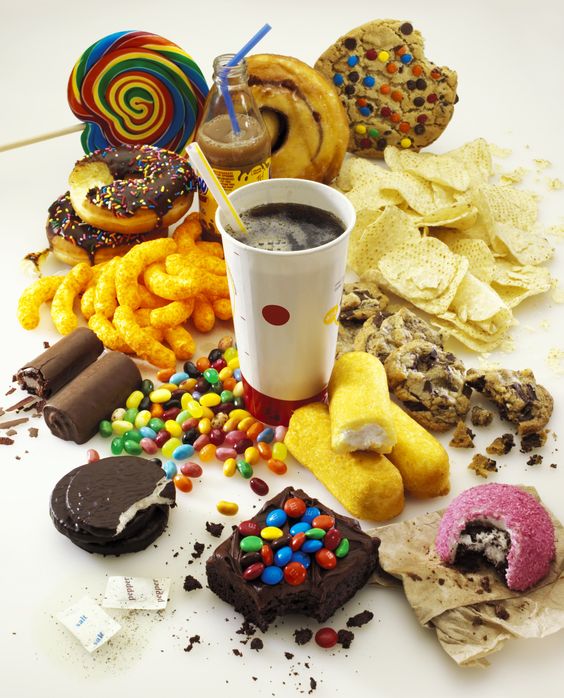
Foods To Avoid In 1500 Calorie Indian Diet:
Avoid eating and drinking highly processed foods and beverages, which are high in sugar and calories, which can sabotage your weight loss efforts. Food items like candy, fried foods, and soda not only hinder weight loss efforts but are also harmful to overall health.
Foods that are rich in sweeteners and highly processed can increase the risk of developing chronic diseases. For example, drinking soda, fruit punch juices, and sweetened beverages with added sugar can increase your risk of diabetes, obesity, and heart disease.
Also, if you consume unhealthy foods, it can prevent you from losing fat, which can make your weight loss efforts difficult. So for good health and weight loss, consume the following foods sparingly or avoid them altogether:
- Sweet Beverages: Soda, fruit juice, sweet tea, sweet lassi, sports drinks
- Foods High in Sugar: Candy, ice cream, cookies, rice pudding, pastries, cakes, yogurt, high-sugar cereals, digestive biscuits
- Sweeteners: Jaggery, Sugar, Honey, Condensed Milk
- Sweet Sauces: Salad Dressing Sauce, Ketchup, Barbecue Sauce, Sweet Curry
- High-Fat Foods: Fast foods like burgers, French fries, chips, fried foods, etc.
- Refined Grains: white bread, white pasta, biscuits
- Trans fats: Margarine, vanaspati, fast food, highly processed foods
- Refined Oil: Canola Oil, Soybean Oil, Corn Oil, Grapeseed Oil
Tips To Maintain In 1500 Calorie Indian Diet:
- Eat a high-protein breakfast: Eating a high-protein breakfast reduces food cravings and calorie consumption.
- Avoid sugary drinks and fruit juices: Sugary drinks and fruit juices contribute the most to weight gain; by avoiding their consumption, you can help in reducing your weight.
- Drink water half an hour before meals: A study has shown that drinking water half an hour before meals helps in weight loss.
- Choose weight loss-friendly foods: Some foods are very useful for reducing fat, like avocado, broccoli, cabbage, leafy vegetables, beans, boiled potatoes, etc.
- Eat soluble fiber: Studies show that soluble fiber can reduce fat, especially belly fat. Fiber supplements like glucomannan are very helpful.
- Eat unprocessed foods: Base most of your diet on whole foods. These are healthy, fill you up quickly, and are less likely to overeat.
- Eat food slowly: People who eat quickly gain weight over time, so food should be eaten slowly. This will make you feel full, and it also promotes weight loss hormones.
- Get a good night’s sleep: Poor sleep is one of the strongest risk factors for weight gain, so it’s important to take care of your sleep.
Losing weight is not a difficult task, nor is there a need to starve yourself to do so; you can easily lose weight by following this diet plan. Also, if you are suffering from any medical condition, talk to your doctor before making any changes in your diet. Additionally, by reducing carbs and lowering insulin levels, you can “prepare” your body and brain for weight loss by changing your hormonal environment.
1,500-Calorie Indian Diet Grocery List
Use this as a 7-day shopping list for a balanced Indian diet. Quantities are approximate and can be adjusted according to your meal plan and household size.
Protein Foods
- Eggs — 10–12
- Chicken breast/lean chicken — 600–700 g
- Fish — 500–600 g
- Moong dal — 250 g
- Masoor/toor dal — 250 g
- Roasted chana — 200 g
- Low-fat or plain curd — 750 g–1 kg
- Low-fat milk — 1–2 litres
Grains & Cereals
- Whole-wheat atta — 1 kg
- Poha — 250 g
- Suji/rava — 250 g
- Brown or regular rice — 500 g
- Whole-wheat bread — 1 loaf
- Makhana — 200 g
Vegetables
- Spinach/palak — 2 bunches
- Tomatoes — 1 kg
- Onions — 1 kg
- Carrots — 500 g
- Cucumber — 500 g
- Bell peppers/capsicum — 500 g
- Cauliflower — 1 medium
- Beans — 250 g
- Bottle gourd/lauki — 1 medium
- Other seasonal vegetables — 1–2 kg
Fruits
- Apples — 4–5
- Oranges — 4
- Guava — 2–3
- Papaya — 1 medium
- Lemons — 5–6
Healthy Fats & Cooking Ingredients
- Ghee — small quantity
- Butter — small quantity
- Coconut oil or another cooking oil — small quantity
- Basic spices — turmeric, cumin, coriander, chilli, black pepper
- Ginger and garlic
Portion-Control Tip
For a 1,500-calorie plan, measure cooking oil, ghee and butter rather than pouring them freely. Vegetables, lean protein, whole grains and pulses can form the foundation of meals, while calorie-dense foods should be portioned carefully.
If you have a nut allergy, check packaged foods such as bread, cereals, sauces, chocolate, spice mixes and roasted snacks for allergen information and possible cross-contact before purchasing. You can download the shopping list in PDF format.
Who Should Avoid a 1,500-Calorie Diet?
A 1,500-calorie diet is not suitable for everyone. Before starting a calorie-restricted diet, it is important to consider your age, body size, activity level, nutritional needs, and overall health.
The following people should avoid starting a 1,500-calorie weight-loss plan without guidance from a qualified healthcare professional:
- Children and teenagers, because they need sufficient calories and nutrients for normal growth and development.
- Pregnant women, who need adequate nutrition to support pregnancy.
- Breastfeeding women, who generally require additional energy and nutrients.
- People who are underweight or experiencing unexplained weight loss.
- People with a current or previous eating disorder, unless supervised by an appropriate healthcare professional.
- People with diabetes or other conditions requiring medication, as changes in food intake may affect treatment.
- People with kidney, liver, heart, or other medical conditions that require individualized dietary advice.
- Anyone who has been advised by their doctor or dietitian not to restrict calories.
Warning Signs to Stop the Diet
If you experience persistent or concerning symptoms while following a 1,500-calorie diet, stop the diet and seek professional advice. Warning signs may include:
- Persistent dizziness or feeling faint
- Unusual or severe weakness
- Extreme or persistent tiredness
- Difficulty concentrating
- Persistent headaches
- Nausea or vomiting
- Signs of dehydration
- Rapid or unexplained weight loss
- Worsening symptoms of an existing medical condition
Seek urgent medical attention if you experience fainting or collapse, chest pain, severe difficulty breathing, severe confusion, or another serious or rapidly worsening symptom.
Remember
The goal of a weight-loss diet should be gradual, sustainable weight loss while maintaining adequate nutrition. A 1,500-calorie target should not be followed simply because it is a common number. Your appropriate calorie intake should be based on your individual needs and, when necessary, guidance from a doctor or registered dietitian.
Conclusion:
A successful weight loss journey is more than just losing weight. It is about adopting a healthy lifestyle. This is a fundamental tool in this endeavor and you should enjoy stability. You can do this by combining a balanced diet with a regular workout plan. So, take time out from your busy schedule and plan your diet for better health today.
FAQs:
Q. What is a 1500 calorie Indian diet?
A. A 1500 calorie Indian diet is a structured meal plan that limits daily calorie intake to 1500, focusing on traditional Indian foods. It includes balanced portions of carbohydrates, proteins, and healthy fats from local ingredients like dal, rice, roti, vegetables, fruits, and dairy.
Q. Is 1500 calories per day enough for weight loss?
A. Yes, for many adults, 1500 calories can create a calorie deficit, leading to gradual and healthy weight loss. However, individual needs vary based on age, gender, activity level, and metabolic rate.
Q. Can I follow a vegetarian version of this diet?
A. Absolutely! A vegetarian 1500 calorie plan can include dals, legumes, paneer, tofu, vegetables, fruits, curd, and whole grains like brown rice, oats, or millets.
Q. What does a sample 1500 calorie Indian meal plan look like?
A.
- Breakfast: 2 boiled eggs or poha with vegetables + tea without sugar
- Mid-morning snack: 1 fruit (apple/orange)
- Lunch: 1-2 rotis + 1 cup dal + sabzi + salad
- Evening snack: Green tea + roasted chana or sprouts
- Dinner: Vegetable soup + 1 roti + paneer/tofu or light sabzi
Q. Can I eat rice on this diet?
A. Yes, but in controlled portions. Opt for brown rice or limit white rice to half a cup per meal to keep calories in check.
Q. How soon will I see results?
A. With consistency, you may start seeing changes in 2–4 weeks. Weight loss will vary depending on your body, activity level, and adherence to the diet.
Q. Is exercise necessary?
A. Yes, combining a 1500 calorie diet with regular physical activity like walking, yoga, or strength training can accelerate results and improve overall fitness.
Q. Can I follow this diet long-term?
A. Yes, if it’s nutritionally balanced and includes variety. Consulting a dietitian can help tailor it to your needs for sustainable results.
Q. What foods should I avoid?
A. Limit fried foods, refined carbs (like maida), sugary drinks, processed snacks, and high-fat desserts to stay within your calorie goal.
Q. Is this diet suitable for everyone?
A. Not always. People with medical conditions, pregnant or breastfeeding women, and athletes may need higher calorie intake. It’s best to consult a healthcare provider before starting.
 Amrita