

Many people believe that eating more meat automatically means getting more nutrition and building more muscle. However, this is a common misconception. A well-structured vegan bodybuilding diet plan can provide all the essential nutrients needed for muscle growth, strength, and recovery — without relying on animal products.
With proper planning, a vegan diet supplies high-quality protein, complex carbohydrates, healthy fats, vitamins, minerals, and antioxidants that support performance and muscle development. In fact, plant-based diets are often rich in fiber and phytonutrients that help reduce inflammation, improve recovery, and support overall health.
If you want to gain muscle on a plant-based lifestyle, the key is not just eating vegan foods — but following a strategic vegan bodybuilding diet plan designed to meet your calorie and protein needs.
Why Choose a Vegan Bodybuilding Diet Plan?
A properly balanced vegan bodybuilding diet offers many benefits:
Supports lean muscle growth
Provides high levels of antioxidants
Reduces inflammation and speeds recovery
Improves digestion and gut health
Lowers intake of saturated fat
Promotes long-term heart health
Plant-based diets also help reduce exposure to certain harmful compounds found in heavily processed meats. With careful food selection, you can meet all macronutrient and micronutrient needs effectively.
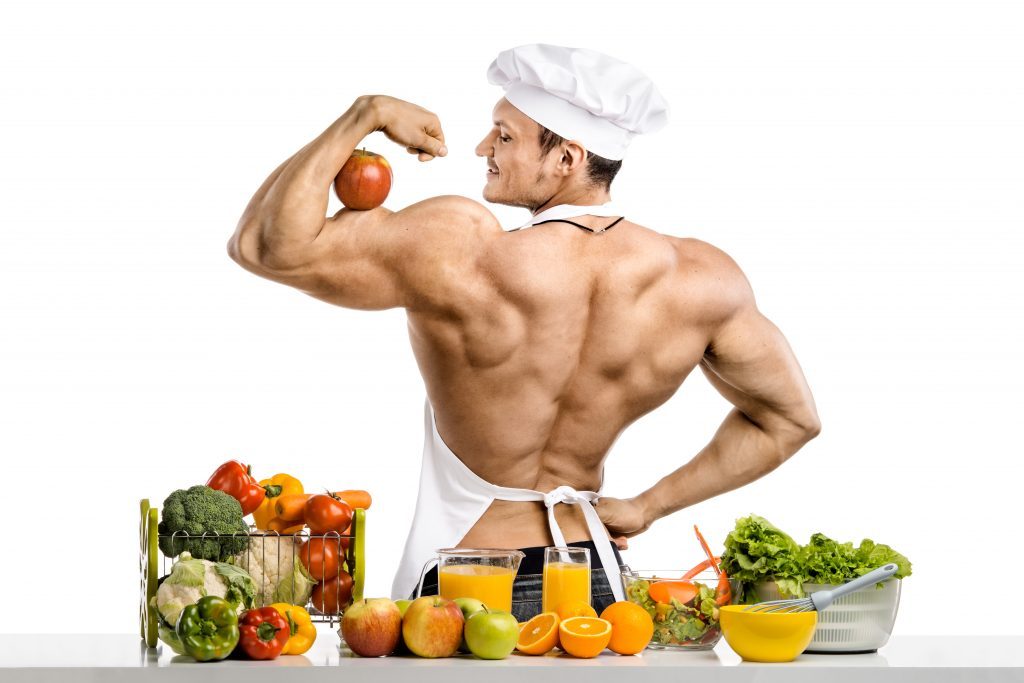
Key Nutrients in a Vegan Bodybuilding Diet Plan
To build muscle successfully, your vegan bodybuilding diet plan must include the following essential nutrients.
Vitamin B12:
Vitamin B12 supports nerve function, red blood cell production, and energy metabolism. Since natural plant sources are limited, vegans should consume:
Fortified plant milk
Fortified cereals
Nutritional yeast
Supplements (if recommended)
Adequate B12 helps maintain energy levels and supports overall training performance.
Calcium:
Calcium supports bone strength and muscle contraction. Good plant-based sources include:
Spinach and leafy greens
Broccoli
Almonds
Sesame seeds
Fortified plant milk
Tofu set with calcium
Strong bones and proper muscle contraction are essential for weight training and bodybuilding.
Iron and Zinc:
Iron helps transport oxygen to muscles, while zinc supports recovery and immune function.
Iron-rich foods:
Spinach
Lentils and beans
Chickpeas
Dried fruits
Pumpkin seeds
Zinc-rich foods:
Nuts and seeds
Whole grains
Oats
Legumes
Combining iron foods with vitamin C sources improves absorption.
Protein (Most Important for Muscle Growth):
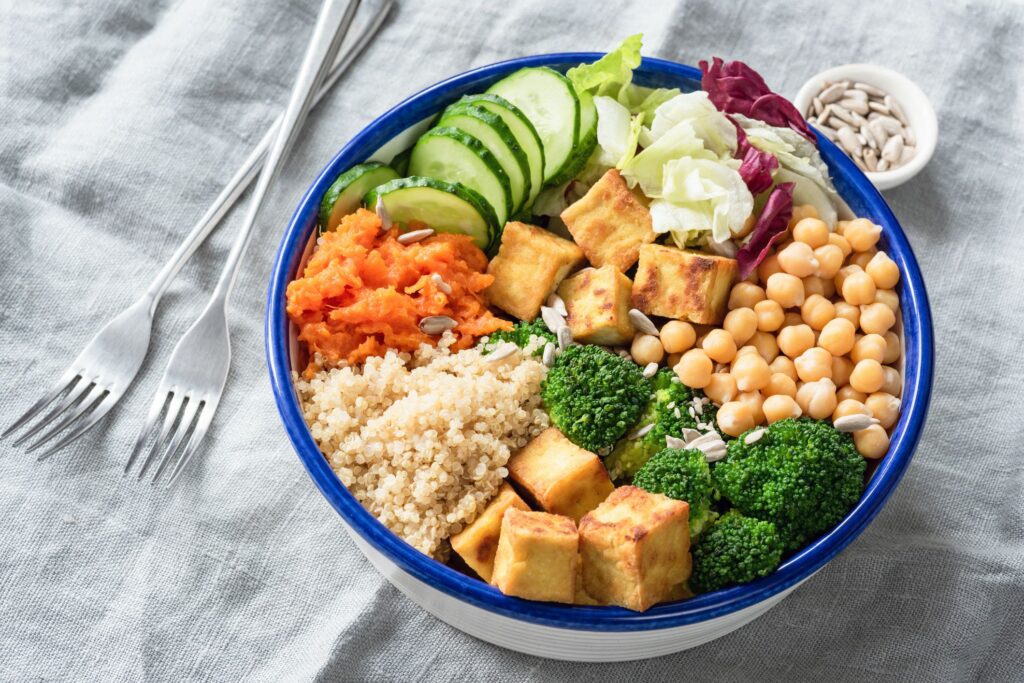
Protein is essential for muscle repair and development. A vegan bodybuilding diet plan can easily provide sufficient protein through:
Tofu and tempeh
Soybeans and soy milk
Lentils and beans
Chickpeas
Quinoa
Nuts and seeds
Plant protein powders
Aim for approximately 1.6–2.2 grams of protein per kg of body weight daily for muscle gain.
Best Foods to Include in a Vegan Bodybuilding Diet Plan
Rajma (Kidney Beans):
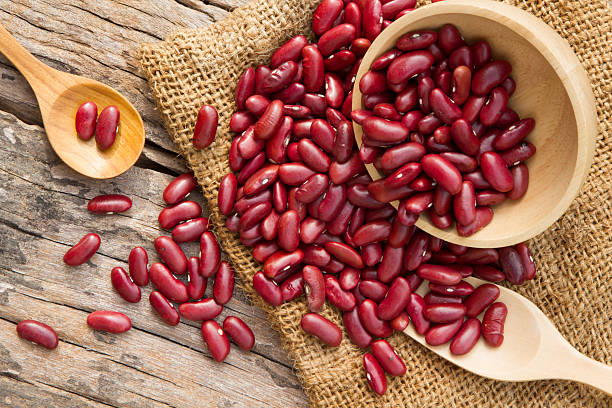
Rajma is a protein-rich legume commonly eaten with rice or roti. It provides complex carbohydrates, fiber, and plant protein that support muscle recovery and sustained energy.
Lentils (Moong Dal and Others)
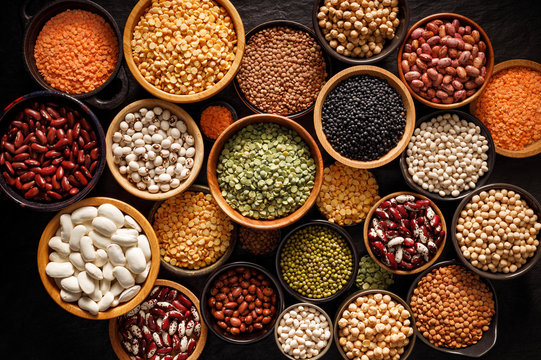
Lentils are excellent for muscle formation because they contain protein, fiber, and slow-digesting carbohydrates. They help maintain steady energy levels during workouts.
Fresh Vegetables
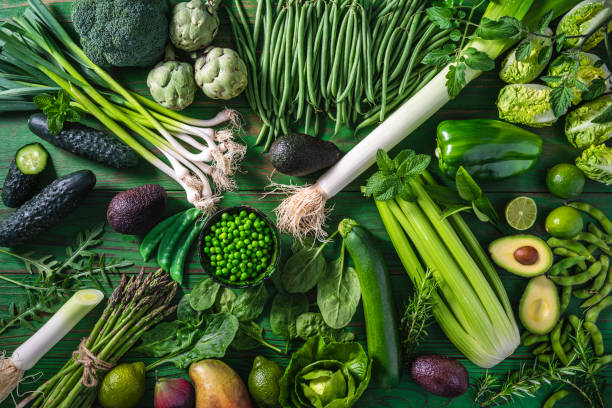
Seasonal vegetables provide essential minerals, antioxidants, and fiber. Include:
Spinach
Carrots
Fenugreek leaves
Radish
Broccoli
Vegetables support recovery and overall health.
Fruits:
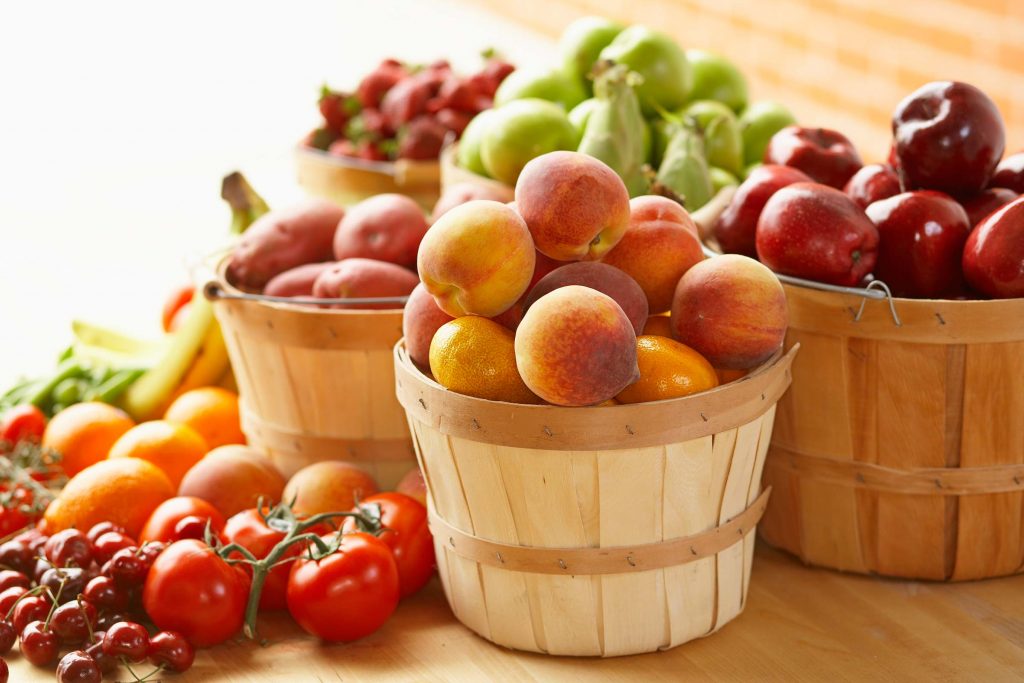
Fruits provide vitamins, minerals, and natural energy.
Banana supports muscle function and potassium balance
Guava and amla boost immunity
Watermelon supports hydration
Potassium helps prevent muscle cramps during training.
Spinach:
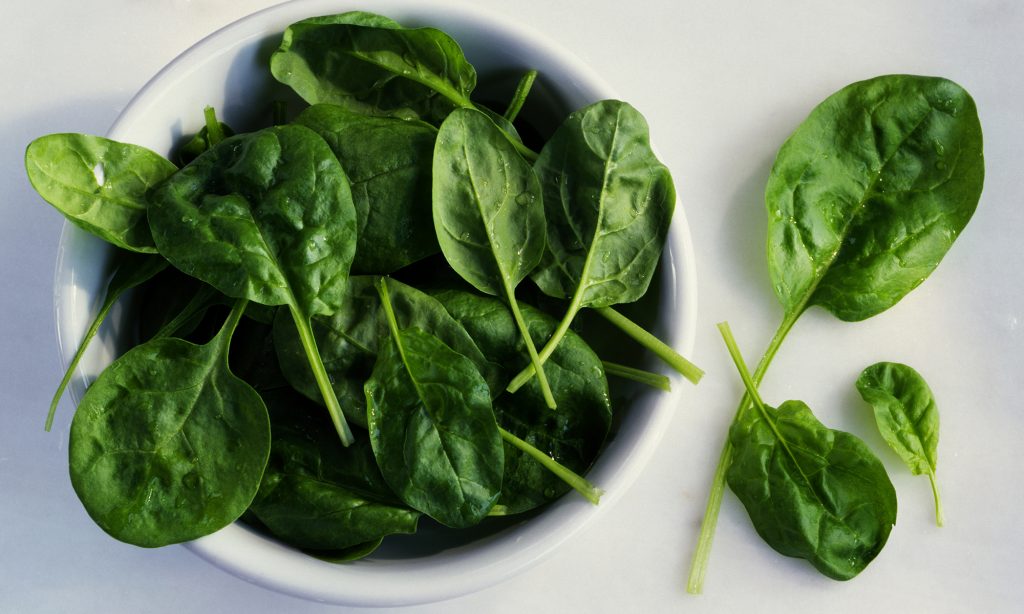
Spinach is rich in iron, calcium, and plant protein. It supports oxygen delivery to muscles and enhances endurance.
Cornflakes and Soy Milk
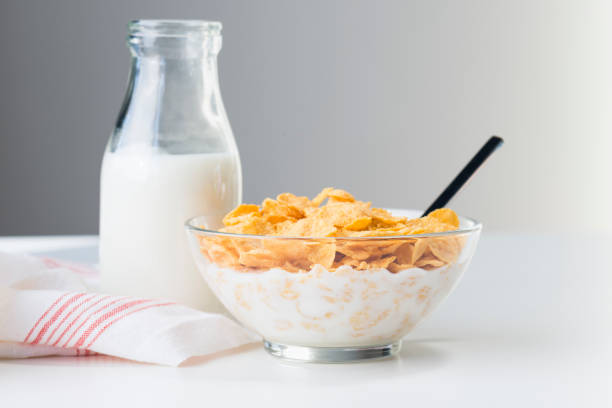
Fortified whole-grain cereals with soy milk provide carbohydrates and protein — ideal for breakfast or post-workout recovery.
Almonds:
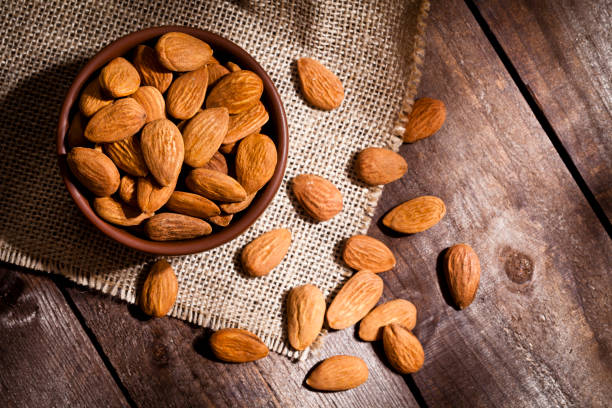
Almonds are packed with healthy fats, vitamin E, and protein. They provide concentrated energy and support muscle repair.
Sample 6-Meal Vegan Bodybuilding Diet Plan
Eating multiple meals helps maintain a steady calorie and protein supply.
Meal 1 – Breakfast (8 AM)
Soy milk, whole-grain cereal or granola, and an orange.
Meal 2 – Mid-Morning Snack (11 AM)
Whole wheat bread with peanut butter and bananas.
Meal 3 – Lunch (2 PM)
Whole wheat bread or rice, plant protein shake, fruit, and vegetables.
Meal 4 – Afternoon Snack (4 PM)
Rice cake with fruit or nuts.
Meal 5 – Evening Meal (6 PM)
Tofu or vegan patty, large salad, and whole grains.
Meal 6 – Night Meal (10 PM)
Whole wheat bread with peanut butter and a protein soy shake.
Tips to Maximize Results on a Vegan Bodybuilding Diet Plan
Maintain a calorie surplus for muscle growth
Eat protein with every meal
Combine different plant proteins
Stay hydrated
Train consistently with resistance exercises
Consider supplements if needed (B12, protein powder, creatine)
Common Mistakes to Avoid
Not eating enough calories
Ignoring protein intake
Skipping strength training
Relying only on processed vegan foods
Not planning meals properly
A structured vegan bodybuilding diet plan prevents these problems.
Summary
A well-planned vegan bodybuilding diet plan can provide everything your body needs to build muscle, gain strength, and improve performance. Plant-based foods offer protein, vitamins, minerals, antioxidants, and healthy energy sources that support long-term health and athletic success.
By focusing on balanced nutrition, regular meals, and consistent training, you can achieve impressive muscle growth on a vegan diet. With proper planning and discipline, building a strong and healthy body without animal products is completely achievable.
FAQs:
Q. Can you build muscle on a vegan bodybuilding diet plan?
A. Yes. Muscle growth depends on calorie intake, protein consumption, and strength training — not on animal products.
Q. How much protein do vegans need for bodybuilding?
A. Most bodybuilders need 1.6–2.2 grams of protein per kilogram of body weight daily.
Q. What are the best vegan protein sources?
A. Tofu, tempeh, lentils, beans, chickpeas, soy milk, quinoa, nuts, and seeds.
Q. Do vegans need supplements for bodybuilding?
A. Vitamin B12 is essential. Some may also benefit from protein powder, creatine, or omega-3 supplements.
Q. How many meals should I eat daily?
A. 5-6 meals per day help maintain energy and protein supply.
Q. Can vegan diets provide enough calories for muscle gain?
A. Yes. Nuts, seeds, grains, and legumes make it easy to maintain a calorie surplus.
Q. Is soy good for muscle building?
A. Yes. Soy provides complete protein and supports muscle growth effectively.
Q. How long does it take to see muscle gain?
A. With proper diet and training, results typically appear within 4–8 weeks.
 James
James