

The ketogenic diet—often called the keto diet—has grown from a clinical therapy into one of the most popular health strategies in the world. From weight loss and metabolic health to mental performance and disease management, the benefits of a ketogenic diet are widely discussed in both scientific research and everyday wellness communities.
But what exactly are the real, proven ketogenic diet benefits? Is keto safe? Who should try it—and who should avoid it?
What Is the Ketogenic Diet?
The ketogenic diet is a very low-carbohydrate, high-fat, moderate-protein eating plan designed to shift your body from using glucose (sugar) as its primary fuel source to using fat.
Standard Keto Macronutrient Breakdown:
70–80% fat
15–25% protein
5–10% carbohydrates
This typically means consuming fewer than 20–50 grams of net carbs per day.
When carbohydrate intake drops significantly, your body enters a metabolic state called ketosis.
What Is Ketosis?
Ketosis is a natural metabolic process in which your liver converts fat into molecules called ketones, which become your body’s primary fuel source instead of glucose.
There are three main ketone bodies:
Beta-hydroxybutyrate (BHB)
Acetoacetate
Acetone
When you’re in ketosis:
Blood sugar stabilizes
Insulin levels drop
Fat burning increases
Energy comes from fat stores
This shift in metabolism is responsible for many of the ketogenic diet benefits discussed below.
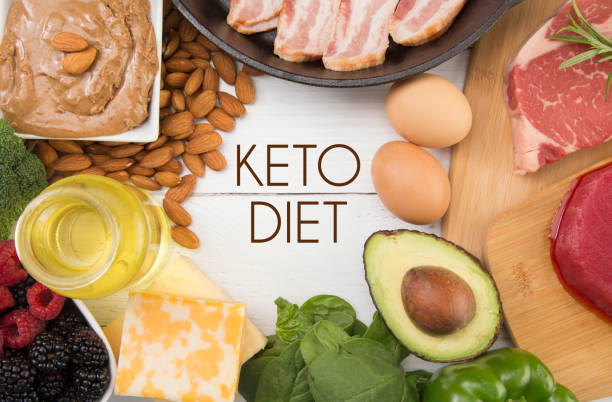
15 Proven Ketogenic Diet Benefits
1. Rapid and Sustainable Weight Loss
One of the most well-known ketogenic diet benefits is weight loss.
Why Keto Promotes Weight Loss:
- Reduces insulin levels (which promotes fat storage)
- Suppresses appetite naturally
- Increases fat burning
- Reduces cravings for sugar
- Stabilizes blood sugar
Studies show that low-carb diets often outperform low-fat diets in short- and medium-term weight loss.
Unlike crash diets, keto promotes fat loss while preserving lean muscle mass (when protein intake is adequate).
2. Appetite Suppression and Reduced Cravings
Many people report feeling less hungry on keto.
Reasons include:
Higher protein intake
Stable blood sugar
Ketones may directly reduce hunger hormones like ghrelin
This makes calorie control easier without constant willpower battles.
3. Improved Blood Sugar Control
The ketogenic diet significantly reduces carbohydrate intake, which directly lowers blood sugar levels.
Benefits for People with Type 2 Diabetes:
Reduced fasting glucose
Lower HbA1c levels
Decreased insulin resistance
Reduced need for diabetes medication (under medical supervision)
Some individuals with type 2 diabetes achieve remission through strict carbohydrate restriction.
4. Enhanced Insulin Sensitivity
Chronic high carbohydrate intake can lead to insulin resistance.
Keto helps by:
Lowering insulin levels
Reducing blood glucose spikes
Improving metabolic flexibility
Better insulin sensitivity means:
Improved fat burning
Lower inflammation
Reduced risk of metabolic syndrome
5. Increased Mental Clarity and Focus
Many people experience improved cognitive function on keto.
Why Keto Boosts Brain Function:
Ketones provide a stable fuel source
Reduced blood sugar crashes
Lower inflammation
Increased mitochondrial efficiency
The brain thrives on ketones, and some researchers believe ketosis may protect against neurodegenerative diseases.
6. Therapeutic Benefits for Epilepsy
The ketogenic diet was originally developed in the 1920s to treat epilepsy.
It remains an effective therapy for:
Drug-resistant epilepsy
Pediatric epilepsy syndromes
Clinical studies show significant seizure reduction in many patients.
7. Potential Neuroprotective Effects
Emerging research suggests ketogenic diets may benefit:
Alzheimer’s disease
Parkinson’s disease
Traumatic brain injury
Multiple sclerosis
Ketones may:
Reduce oxidative stress
Improve mitochondrial function
Lower neuroinflammation
More research is ongoing, but early findings are promising.
8. Reduced Triglycerides
High triglycerides are a major cardiovascular risk factor.
Low-carb diets consistently show:
Significant reductions in triglyceride levels
Improved HDL (“good cholesterol”)
These improvements may lower heart disease risk markers.
9. Increased HDL (Good Cholesterol)
Keto often raises HDL cholesterol, which helps remove LDL particles from the bloodstream.
Higher HDL levels are associated with:
Reduced cardiovascular risk
Better metabolic health
10. Reduced Inflammation
Chronic inflammation contributes to:
Heart disease
Cancer
Diabetes
Autoimmune conditions
Ketosis may reduce inflammation by:
Lowering insulin
Reducing sugar intake
Decreasing oxidative stress
Some people with autoimmune conditions report symptom improvement.
11. Hormonal Balance Improvements
For individuals with:
Polycystic Ovary Syndrome (PCOS)
Insulin-related hormonal imbalances
Keto may help by:
Reducing insulin levels
Supporting weight loss
Improving ovulation patterns
12. Improved Metabolic Flexibility
Metabolic flexibility is your body’s ability to switch between burning carbohydrates and fat.
Most modern diets impair this flexibility.
Keto retrains your body to efficiently burn fat for fuel, improving long-term metabolic resilience.
13. Increased Energy Levels
Once adapted (usually after 2–4 weeks), many people report:
More stable energy
Fewer afternoon crashes
Sustained physical stamina
Fat stores provide virtually unlimited energy compared to glycogen reserves.
14. Possible Cancer Therapy Support (Under Medical Supervision)
Some researchers are studying keto as a supportive therapy for certain cancers.
The theory:
Many cancer cells rely heavily on glucose
Lowering blood sugar may stress cancer cells
However, keto should never replace conventional cancer treatment and must only be used under medical supervision.
15. Reduced Sugar Addiction
Cutting carbs eliminates constant dopamine spikes from sugar.
After adaptation:
Sweet cravings decrease
Taste sensitivity improves
Processed food dependence reduces
Many people report better long-term control over eating habits.

Additional Health Benefits of the Ketogenic Diet
- Improved acne (due to reduced insulin)
- Better digestive stability
- Reduced bloating
- Potential migraine reduction
- Improved sleep quality (in some individuals)
Potential Side Effects and Risks
While the ketogenic diet benefits are significant, keto is not risk-free.
Common Short-Term Side Effects (“Keto Flu”)
- Headache
- Fatigue
- Dizziness
- Muscle cramps
- Irritability
These are often due to an electrolyte imbalance.
Solution:
Increase sodium
Stay hydrated
Supplement magnesium and potassium (if needed)
Long-Term Considerations
Nutrient deficiencies (if poorly planned)
Constipation
Elevated LDL in some individuals
Not ideal for certain medical conditions
Who Should Avoid the Ketogenic Diet?
Consult a healthcare professional if you have:
Type 1 diabetes
Liver disease
Pancreatitis
Gallbladder disease
Eating disorders
Pregnancy or breastfeeding
Keto is powerful—but not universally appropriate.
How to Maximize Ketogenic Diet Benefits
1. Focus on Whole Foods
Choose:
Avocados
Olive oil
Grass-fed meat
Fatty fish
Leafy greens
Nuts and seeds
Avoid:
Processed “keto snacks”
Artificial sweeteners (in excess)
Seed oils
2. Prioritize Electrolytes
Include:
Salt
Bone broth
Leafy greens
Avocados
3. Monitor Protein Intake
Too little → muscle loss
Too much → may reduce ketosis in some people
Moderation is key.
4. Be Patient During Adaptation
Full fat adaptation may take 3–6 weeks.
Energy improves significantly after this phase.
Is the Ketogenic Diet Safe Long-Term?
Research suggests that well-formulated ketogenic diets can be safe for many individuals long-term when:
- Nutrient-dense foods are consumed
- Electrolytes are managed
- Regular blood work is monitored
However, long-term data beyond several years is still evolving.
FAQs:
Q. How long does it take to enter ketosis?
A. Most people enter ketosis within 2–4 days of restricting carbs to under 50 grams per day.
Q. How do I know if I’m in ketosis?
A. Signs include:
- Reduced appetite
- Increased mental clarity
- Fruity breath
- Measurable ketones in blood or urine
Q. Is the ketogenic diet safe?
A. For most healthy adults, yes—when properly planned. However, medical supervision is recommended for people with health conditions.
Q. Can I build muscle on keto?
A. Yes. Adequate protein intake and resistance training allow muscle growth, though performance in high-intensity sports may initially decline.
Q. Does keto harm your heart?
A. Many people see improved triglycerides and HDL levels. However, LDL may increase in some individuals. Regular testing is important.
Q. Is keto good for women?
A. It can be beneficial, especially for PCOS and insulin resistance. However, very low-calorie keto may disrupt hormones in some women.
Q. Can I eat fruit on keto?
A. Most fruits are high in carbs. Small portions of berries are typically allowed.
Q. What happens if I eat carbs while in ketosis?
A. You may temporarily exit ketosis, but you can return within a few days of carb restriction.
Q. Is keto the same as Atkins?
A. They are similar, but keto emphasizes sustained ketosis and higher fat intake.
Q. Can I follow keto long-term?
A. Many people do successfully. Focus on whole foods, monitor health markers, and consult a professional when needed.
Final Thoughts:
The ketogenic diet offers powerful metabolic advantages—from weight loss and blood sugar control to cognitive clarity and potential neurological protection.
However, it’s not a magic solution. Success depends on:
- Proper implementation
- Nutrient-dense food choices
- Electrolyte balance
- Individual health considerations
When done correctly, the ketogenic diet can be a transformative approach to improving overall health and metabolic resilience.
If you’re considering starting keto, begin thoughtfully, monitor your body’s response, and seek medical guidance if you have underlying conditions.
Your health journey is personal—and the best diet is the one that supports your long-term wellbeing.
 admin
admin