
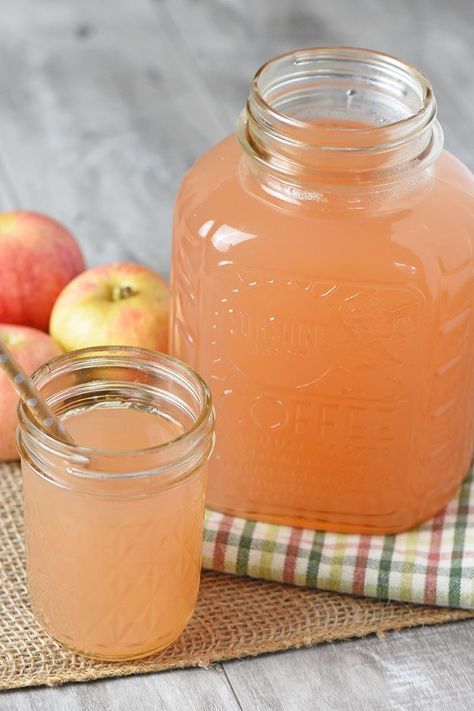
Apple cider and apple juice seem similar, but both of these are completely different from each other. The making process and usage of both products make a difference. Although many people think that apple cider and apple juice are similar product but, they are completely different products. So, here in this article, I am going to give an account of the apple cider vs apple juice topic. So, let’s see the difference here…
What Is Apple Cider?
Fresh apple cider is a beverage made by pressing apples to extract their juice. Unlike highly clarified apple juice, cider generally retains more of the fine particles and natural components from the apples, giving it its characteristic cloudy appearance and robust apple flavor.
One current definition from the University of Minnesota Extension describes fresh apple cider as an unfiltered, unsweetened, non-alcoholic beverage made from freshly pressed apples.
The exact appearance and flavor can vary depending on the apple varieties used. Cider makers may blend several varieties to achieve a balance of sweetness, acidity, aroma, and tannins. Apple varieties can have very different chemical characteristics, and these differences affect the final flavor of the beverage.
Fresh cider is especially popular during the autumn and apple harvest season. It can be served cold or warmed with spices such as cinnamon and cloves.
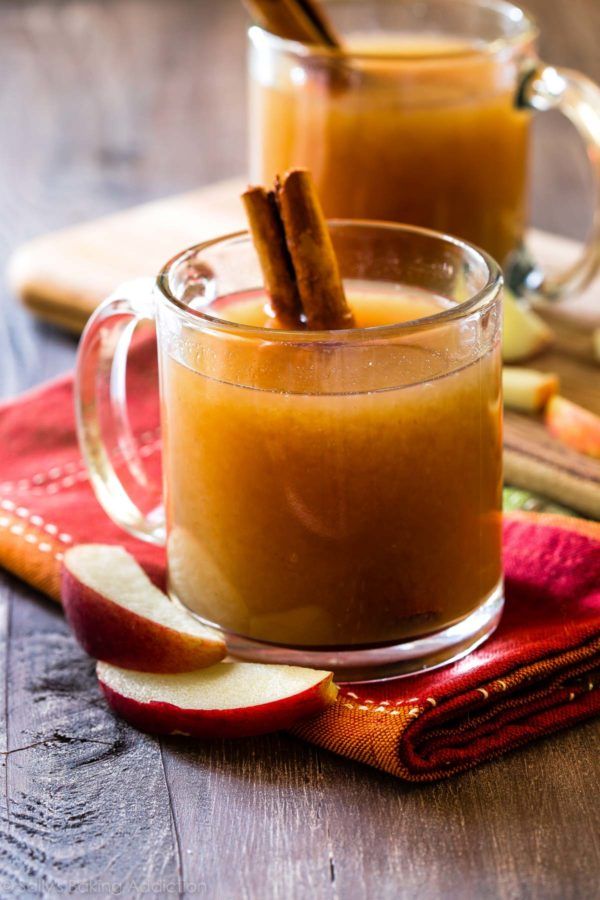
How Is Apple Cider Made?
The basic process for fresh apple cider is relatively straightforward.
1. Apples are selected and washed
Cider makers select suitable apples and clean them before processing. Different combinations of apples can be used to produce particular flavor profiles.
2. Apples are crushed
The apples are chopped or ground into a coarse apple mash. This makes it easier to extract the liquid from the fruit.
3. The mash is pressed
The apple mash is placed into a press. Pressure separates the liquid from much of the solid fruit material.
4. The cider is packaged or served
Fresh cider may be bottled and refrigerated. Depending on the producer and product, the cider may be sold untreated or may undergo pasteurization or another pathogen-reduction process.
This last point is important: fresh cider and unpasteurized cider are not synonymous with every product labeled apple cider. Commercial cider can be treated for food safety.
What Is Apple Juice?
Apple juice is also produced by extracting liquid from apples, but it generally undergoes additional processing.
The juice is commonly filtered or clarified to remove much of the suspended apple material. This produces the transparent, smooth appearance associated with commercial apple juice.
Commercial apple juice is also commonly pasteurized or otherwise treated to reduce harmful microorganisms. Some apple juice is packaged in refrigerated containers, while other products undergo processing and packaging that allow them to remain shelf-stable until opened. The FDA distinguishes between refrigerated pasteurized juice and shelf-stable juice, which is packaged in specially treated containers.
Because the processing can vary between brands, it is better not to say that all apple juice is pasteurized or that all apple juice is shelf-stable.
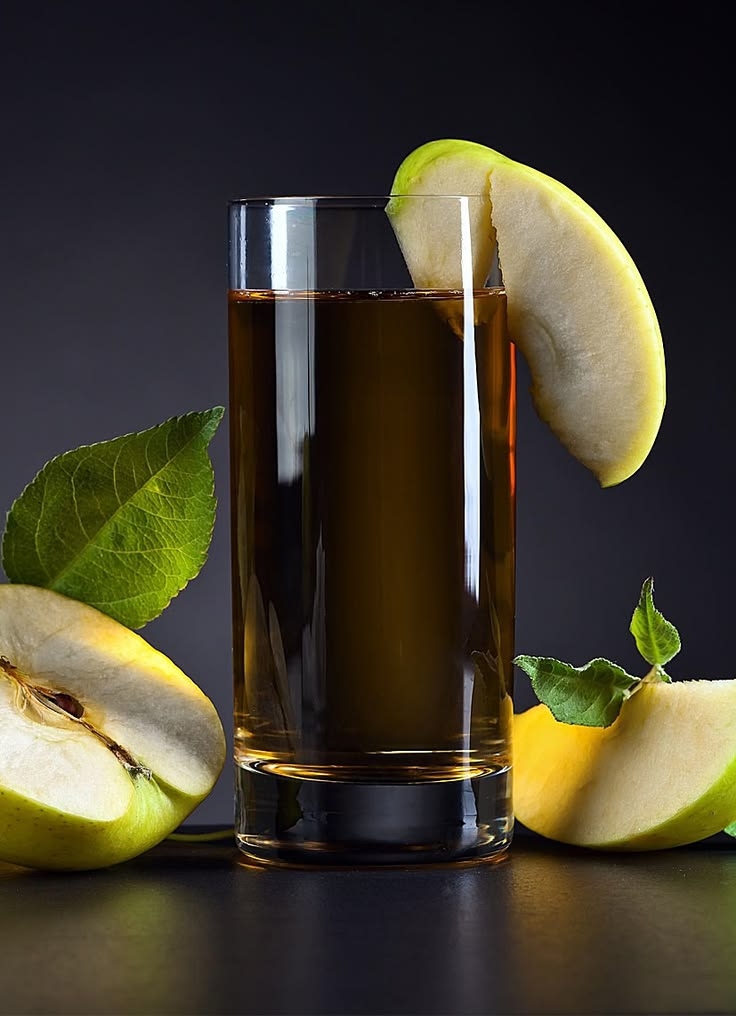
How Is Apple Juice Made?
Apple juice starts with the same basic ingredient—fresh apples—but generally goes through additional processing.
After extraction, the juice can be filtered and clarified to remove suspended solids. It may then be pasteurized or otherwise treated to control microorganisms. Some commercial juices are also concentrated and later reconstituted with water.
These additional processing steps help create the clear, consistent appearance and longer storage life associated with many commercial apple juices.
Penn State Extension’s apple-preservation guidance also describes methods for allowing freshly pressed apple juice to settle and then separating the clearer liquid from sediment before further processing.
Apple Cider vs Apple Juice:
Apple cider and apple juice are both popular beverages made from apples, and they may look similar at first glance. However, they differ considerably in processing method, appearance, taste, texture, shelf life, nutrition, and common uses. The main difference is that apple cider is generally less filtered and more closely resembles freshly pressed apples, while apple juice is usually filtered and processed to produce a clear, smooth beverage.
Description:
Apple Cider:
Apple cider is a beverage made by crushing apples and pressing them to extract their liquid. It is generally cloudy because it retains very small amounts of apple pulp and other natural components. Depending on the producer and region, cider may be pasteurized or sold unpasteurized.
It is important to note that apple cider in this comparison means non-alcoholic apple cider, not hard cider, which is an alcoholic beverage.
Apple Juice:
Apple juice is also made from apples, but it normally undergoes additional filtration and processing. The suspended particles and pulp are removed, producing a clearer and smoother liquid. Commercial apple juice is commonly pasteurized and may be sold as either ready-to-drink juice or juice made from concentrate.
Production Process:
Apple Cider:
The production of apple cider is relatively simple:
- Fresh apples are selected and washed.
- The apples are crushed or ground into a pulp.
- The pulp is pressed.
- The liquid extracted from the apples becomes cider.
- It may receive additional processing or pasteurization depending on the product.
Because cider is generally less filtered, some natural apple particles remain suspended in the beverage. This gives it its characteristic cloudy appearance and stronger fresh-apple flavor.
Apple Juice:
Apple juice usually involves additional processing:
- Apples are washed and crushed.
- Juice is extracted from the apple pulp.
- The juice is filtered to remove suspended solids and pulp.
- It may be clarified and processed further.
- Commercial juice is generally pasteurized.
- It may be packaged directly or produced from concentrate.
The additional filtration gives apple juice its characteristic clear appearance and smooth texture.
Appearance:
One of the easiest ways to distinguish the two is by looking at them.
Apple Cider:
Apple cider is generally cloudy. It may have a brownish, amber or deep golden appearance because it contains more suspended apple material.
The cloudy appearance of fresh apple cider is primarily related to the fact that it has undergone less clarification.
When apples are pressed, the resulting liquid contains tiny particles and components from the fruit. If these are not extensively removed, the cider remains cloudy.
Apple cider → less filtration → cloudy, fuller, stronger apple flavor
Apple Juice:
Apple juice is generally clearer. Filtration and clarification remove much of the material that makes fresh cider cloudy.
However, color alone is not a perfect way to identify a product. Apple varieties, processing methods and added ingredients can all affect color.
Apple juice generally undergoes more filtration and clarification, which removes much of this suspended material and creates a clearer appearance.
This does not mean that cloudy cider is automatically healthier than clear apple juice. Cloudiness is mainly a characteristic of processing and composition, not proof of superior nutritional value.
Apple juice → more filtration and processing → clear, smooth, milder flavor
Texture:
The processing methods also affect texture.
Apple Cider:
Apple cider can have a slightly heavier or fuller mouthfeel because it may retain small amounts of apple solids and other components.
Apple Juice:
Apple juice is usually smooth and light, with little or no suspended material.
Therefore, people who prefer a fresh, less-processed beverage may prefer cider, while people who prefer a smooth and consistent drink may prefer apple juice.
Taste:
Taste is another major difference.
Apple Cider:
Fresh apple cider generally has a stronger, more complex apple flavor. It can taste sweet, tart, aromatic or slightly astringent depending on the varieties of apples used.
Apple Juice:
Apple juice generally has a cleaner and sweeter flavor, particularly when made from sweet apple varieties or formulated for a consistent commercial taste.
It is not accurate to say that cider is always sour and apple juice is always sweet. Both can vary considerably depending on the apples and production methods.
Apple cider makers often blend different varieties because sugar, acidity, and tannins all contribute to the final flavor.
Calories Per 100 ml:
Apple Cider
Apple cider generally provides approximately 45–50 calories per 100 ml.
Most of these calories come from carbohydrates, particularly naturally occurring sugars from the apples.
Apple Juice
Apple juice generally provides approximately 46–48 calories per 100 ml when it is 100% unsweetened apple juice.
For example, USDA data for unsweetened apple juice give approximately 60 kcal per 125 g, which works out to roughly 48 kcal per 100 g. Because apple juice has a density close to water, this is broadly comparable to about 100 ml for a practical comparison. USDA FoodData Central reports food energy in kcal and provides nutrient data on a 100-g basis for many foods.
Sugar per 100 ml
Sugar is one of the most important differences people consider when comparing these beverages.
Apple Cider
A typical unsweetened apple cider may contain around 9–11 g of sugar per 100 ml.
The sugar comes naturally from the apples. The exact amount depends on:
- Apple variety
- Ripeness
- Concentration
- Production method
- Whether additional sweeteners are added
Apple Juice
Typical 100% apple juice contains around 9–10 g of sugar per 100 ml.
The majority of this sugar is naturally occurring fruit sugar.
Dietary Fiber Comparison:
This is an important point.
Neither apple cider nor apple juice is a particularly good source of fiber.
Apple cider:
Because cider is generally less filtered, it may retain more apple material than highly clarified juice. Nevertheless, the amount of fiber is still small compared with eating a whole apple.
Apple juice:
Most commercial apple juice has very little dietary fiber because much of the solid apple material has been removed.
Therefore:
Whole apple → much better fiber source
Apple cider → little fiber
Apple juice → little fiber
This is one reason drinking an apple is not nutritionally equivalent to eating an entire apple.
Vitamin C:
If your primary concern is vitamin C, check the label rather than choosing based on cider versus juice.
Apple cider:
A fresh cider may have some naturally occurring vitamin C, while a commercial apple juice may be fortified with vitamin C.
Apple juice:
The best choice is therefore the product that actually lists a higher vitamin C content on its nutrition information.
USDA FoodData Central provides nutrient data at standardized bases and includes both generic and branded food information, making product-specific comparisons possible.
Shelf Life:
Apple Cider:
Fresh cider can spoil more quickly, particularly if it is unpasteurized.
Apple Juice:
Apple juice generally has a longer shelf life than fresh apple cider because commercial juice commonly undergoes filtration, pasteurization, and packaging processes designed to improve stability.
The FDA explains that pasteurization involves heat treatment sufficient to destroy pathogens, and its juice-safety guidance addresses processing requirements for juice products.
Therefore:
- Apple cider: generally shorter shelf life, especially when fresh or unpasteurized.
- Apple juice: generally longer shelf life, particularly commercially processed and packaged juice.
Uses:
Both beverages can be enjoyed as drinks, but their different flavor and texture make them useful in different recipes.
Uses for Apple Cider
Apple cider can be used for:
- Drinking cold or warm
- Making spiced cider
- Apple-based sauces and glazes
- Marinades
- Baking
- Cakes, muffins and breads
- Desserts
- Reducing into sauces
- Seasonal beverages
- Cooking pork and other savory dishes
Its stronger apple flavor can add depth to recipes.
Uses for Apple Juice
Apple juice can be used for:
- Drinking
- Smoothies
- Breakfast beverages
- Baking
- Desserts
- Fruit punches
- Sauces
- Marinades
- Cooking grains or oatmeal
- Adding sweetness to certain recipes
Because apple juice is usually clearer and has a more consistent flavor, it can be useful when you do not want visible apple solids in a recipe.
Food Safety:
Food safety is an important distinction.
Apple Cider:
Fresh or unpasteurized apple cider can potentially contain harmful microorganisms. Commercially pasteurized products undergo processing intended to reduce pathogen risks.
Apple Juice:
The FDA notes that juice products that have not received an appropriate pathogen-reduction treatment are subject to specific safety and labeling requirements.
Therefore, pregnant people, young children, older adults, and people with weakened immune systems should be particularly careful about consuming unpasteurized juice or cider.
Always check the product label to determine whether the beverage has been pasteurized.
Which One Is Healthier?
There is no universal winner.
If comparing unsweetened products, both can fit into a balanced diet, but neither provides the full nutritional benefits of eating a whole apple.
Apple Cider:
Apple cider may retain more natural apple components because it is generally less filtered.
Apple Juice:
On the other hand, some apple juices may be fortified with nutrients such as vitamin C. Therefore, the nutritional superiority of one over the other depends on the specific product.
For overall nutrition, whole apples are generally the better choice because they provide dietary fiber and require more chewing, which can contribute to greater satiety.
About Apple Cider:
The term cider can be confusing because its meaning differs between countries.
In the United States, “apple cider” commonly refers to a non-alcoholic, relatively unfiltered apple beverage, while “hard cider” refers to an alcoholic fermented product.
Therefore, apple cider and apple cider vinegar are completely different products. Apple cider vinegar is produced through fermentation of apple juice, including alcoholic fermentation followed by acetous fermentation.
Apple Cider vs. Apple Juice vs. Apple Cider Vinegar:
The following table compares the three products per 100 ml. Values are approximate because nutrition varies by brand and processing.
| Nutritional / Physical Feature | Apple Cider | Apple Juice | Apple Cider Vinegar |
|---|---|---|---|
| Made from | Crushed/pressed apples | Pressed and filtered apples | Fermented apple juice/cider |
| Calories | ~45–50 kcal | ~46–48 kcal | ~20–25 kcal* |
| Sugar | ~9–11 g | ~9–10 g | ~0–1 g |
| Carbohydrates | ~11–12 g | ~11–12 g | ~0–1 g |
| Protein | ~0.1 g | ~0.1 g | ~0 g |
| Fat | ~0.1 g or less | ~0.1 g or less | ~0 g |
| Dietary fiber | Very low | Very low | Essentially 0 g |
| Vitamin C | Small/variable | Small; may be fortified | Very little |
| Potassium | Small amount | Small amount | Small amount |
| Acidity | Mildly acidic | Mildly acidic | Highly acidic |
| Typical pH | ~3–4 | ~3–4 | ~2–3 |
| Appearance | Cloudy/amber | Clear/golden | Clear to amber |
| Taste | Sweet, strong apple flavor | Sweet, mild apple flavor | Sour, sharp, acidic |
| Alcohol | None in non-alcoholic cider | None | None |
| Main use | Drink, cooking, baking | Drink, cooking, baking | Salad dressings, pickling, cooking |
| Processing | Usually less filtered | More filtered | Fermented |
| Main nutritional characteristic | Sugar/carbohydrates | Sugar/carbohydrates | Very low sugar/calories |
Apple cider vinegar can contain roughly 20–25 kcal per 100 ml depending on the product, but typical serving sizes are much smaller—usually around 5–15 ml.
Key takeaway
- Apple cider: a less-filtered apple beverage with considerable natural sugar and calories.
- Apple juice: a clearer, smoother apple beverage with similar calories and sugar to cider.
- Apple cider vinegar: a fermented, highly acidic product with very little sugar, normally used in small quantities rather than consumed like juice.
Apple cider vinegar should not be compared directly with cider or juice as a normal beverage. Its acidity is much higher, and it is typically consumed in small amounts or diluted.
Final Thoughts:
Apple cider and apple juice may begin with the same ingredient—fresh apples—but they are not necessarily the same product.
Fresh apple cider is generally less processed, cloudy, full-bodied and strongly flavored, while apple juice is generally more filtered, clearer and smoother. Processing also affects their storage requirements, appearance and flavor.
One important correction to many articles about this subject is that cider does not automatically mean unpasteurized, and apple juice does not automatically mean shelf-stable. Processing and packaging vary from one product to another, so the label is the best guide.
And finally, apple cider should not be confused with apple cider vinegar. Apple cider is an apple beverage; apple cider vinegar is a fermented vinegar product with a completely different composition, flavor, and culinary use.
So, when comparing apple cider vs apple juice, the biggest difference is not the fruit itself—it is what happens to the apple juice after the apples are pressed.
FAQs:
Q. Is apple cider the same as apple juice?
A. No. They are both made from apples, but fresh apple cider is generally less filtered and retains more apple solids, while apple juice is typically filtered and clarified.
Q. Is apple cider healthier than apple juice?
Not necessarily. Both can provide nutrients, but neither should be considered a substitute for whole apples. The nutritional difference depends on the specific products and their processing.
Q. Does apple cider contain alcohol?
A. Fresh apple cider is normally non-alcoholic. It can become alcoholic if it ferments, while intentionally fermented apple juice produces hard cider.
Q. Why is apple cider cloudy?
A. Fresh cider is usually less filtered, so tiny particles and other components from the apples remain suspended in the liquid.
Q. Can apple cider be pasteurized?
A. Yes. Although fresh cider is often associated with unpasteurized juice, commercial apple cider can be pasteurized or otherwise treated to reduce harmful microorganisms.
Q. Does apple juice always need refrigeration?
A. No. Some apple juice products are shelf-stable until opened, while refrigerated apple juice must remain refrigerated. Always follow the package instructions.
Q. Can I drink unpasteurized apple cider?
A. Unpasteurized cider can carry harmful microorganisms. People at higher risk of serious foodborne illness should avoid untreated juice and cider, and everyone should check labels and handle the product according to food-safety instructions.
 James
James