
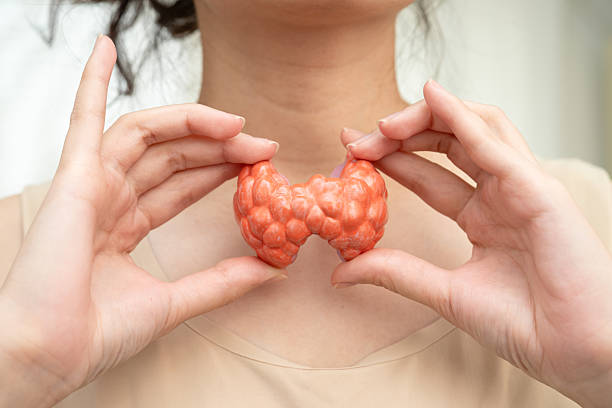
The thyroid is a very essential gland. This gland is situated in the lower part of the throat. You can reduce its symptoms with a proper diet. Here is the thyroid diet chart Indian for you.
Nowadays, it is very common to have thyroid problems. The thyroid gland is present in our throat and produces a hormone called thyroxine. There are two types of thyroid problems: hyperthyroidism and hypothyroidism.
Problem of hyperthyroidism occurs when your thyroid gland starts producing more hormones called thyroxine than necessary. And the problem of hypothyroidism occurs when your thyroid gland makes thyroxine in less quantity than necessary.
Both situations are not good for our bodies. And in this case, you have to take care of your food separately. So, we have prepared a woman thyroid diet chart in India in this article below…
What Is Thyroid?
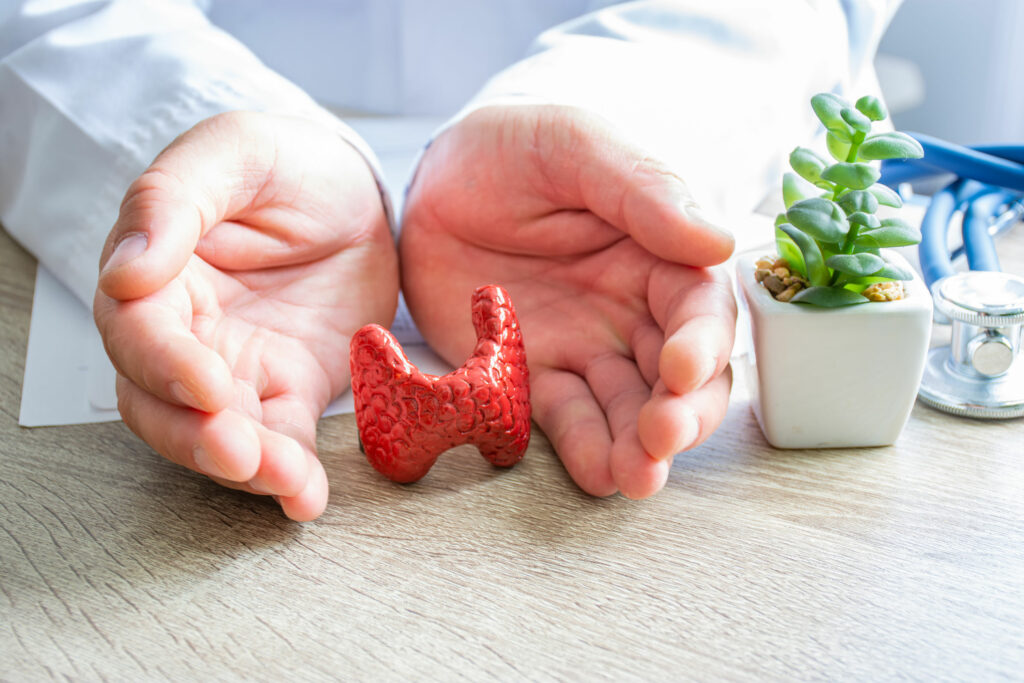
The thyroid is a type of endocrine gland, which is responsible for the secretion of some hormones. If the thyroid gland ceases to function properly, then many problems in the body begin. The secretion of hormones is affected by the body. But if the thyroid gland is less or more active, then it also affects the body.
The thyroid is a butterfly-shaped gland located in the neck. This gland has a special contribution to the metabolism of the body.
Apart from this, the work of the thyroid hormone is to control the amount of sugar, cholesterol, and phospholipids in the blood, control bone and mental growth, control heart rate and blood pressure, and increase milk secretion in women.
There is a problem with the thyroid due to irregularities in lifestyle and eating habits. If you take care of your food from the beginning, there is less chance of having thyroid problems.
What is the Indian diet chart for Thyroid patients, what Thyroid foods to avoid, and what food to eat… Let’s know in detail here
Foods To Eat In Thyroid Diet:
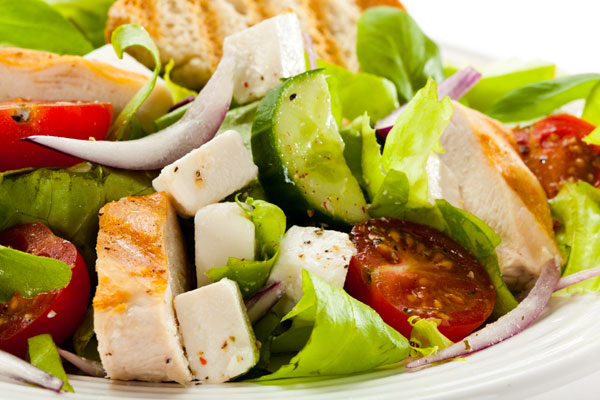
It is very important to have a good and nutritious diet to keep any disease under control. A nutritious diet includes whole grains, seasonal fruits, green vegetables, fish, and nuts. By taking these, it is possible to cure half of your disease. Improve your diet, keeping in mind the diet recommended for the Thyroid diet.
Greek Yogurt:
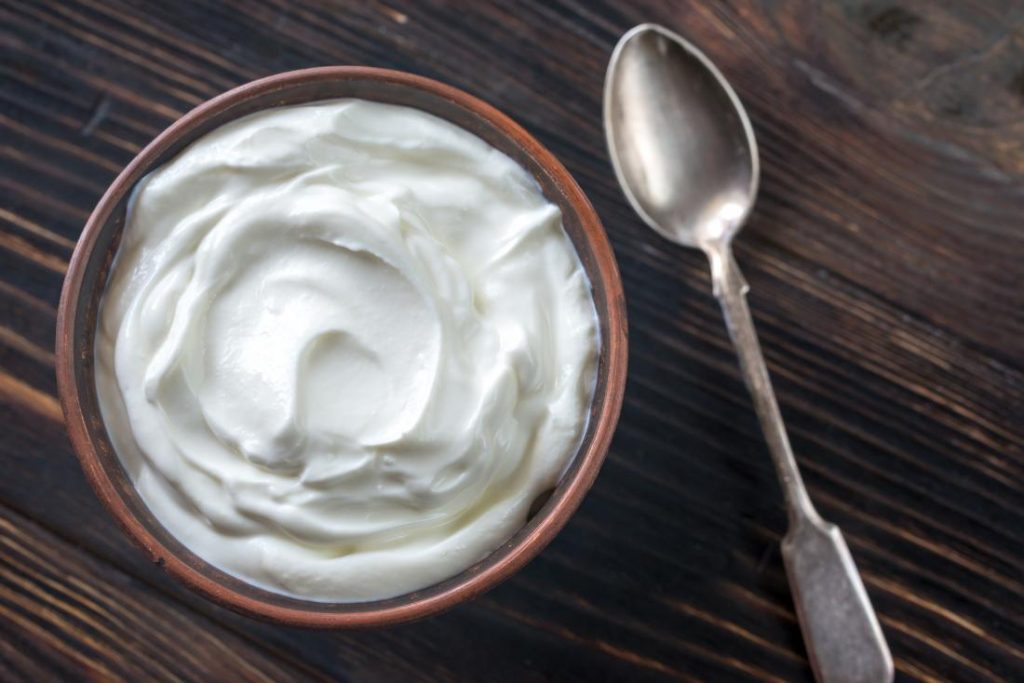
Greek Yogurt is one of the best foods for the thyroid gland. Dairy products, especially yogurt, are high in nutrients and help meet the body’s needs to maintain proper thyroid function.
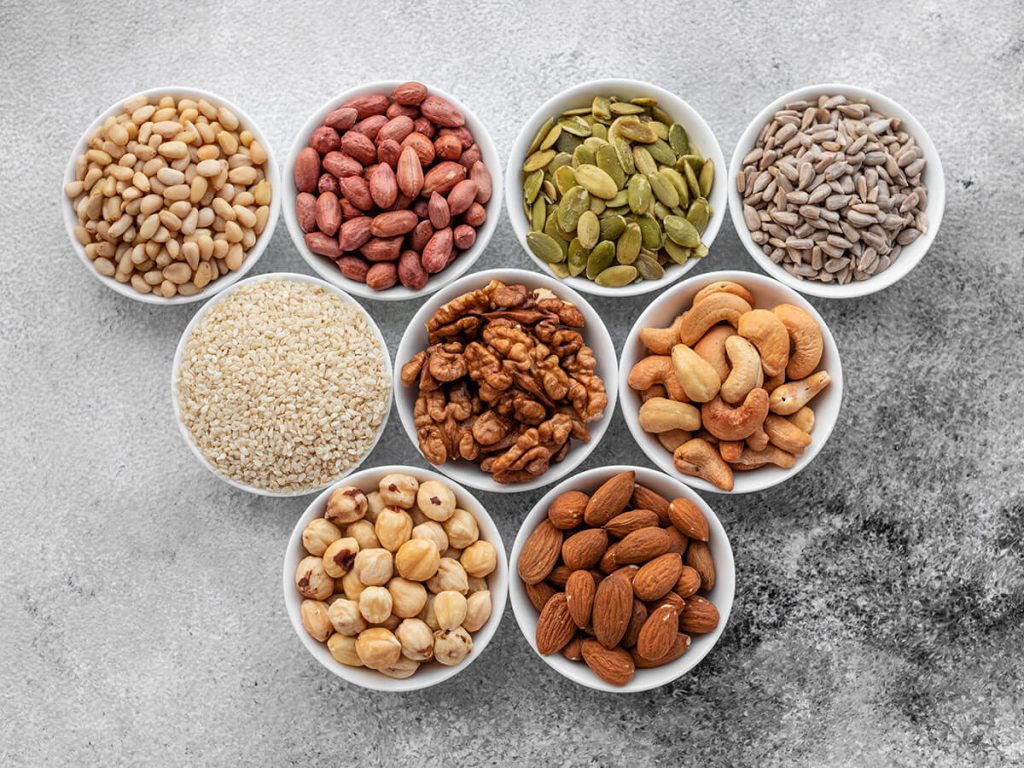
Seeds and Nuts:
Eating nuts like sunflower seeds, pumpkin seeds, almonds, and cashews is beneficial as they provide zinc. Issues related to zinc deficiency can manifest similarly.
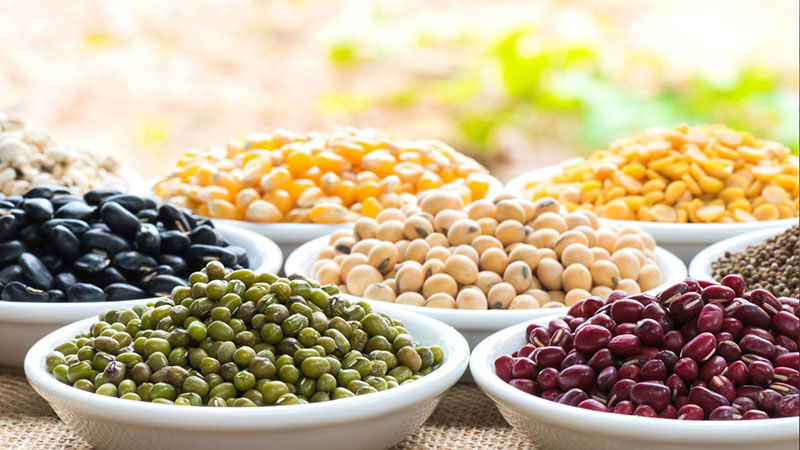
Beans or Legumes:
Beans and legumes are high in zinc and fiber, which help regulate the digestive system, especially bowel movements, and prevent constipation. If you have a thyroid problem, grams are a beneficial food to eat.
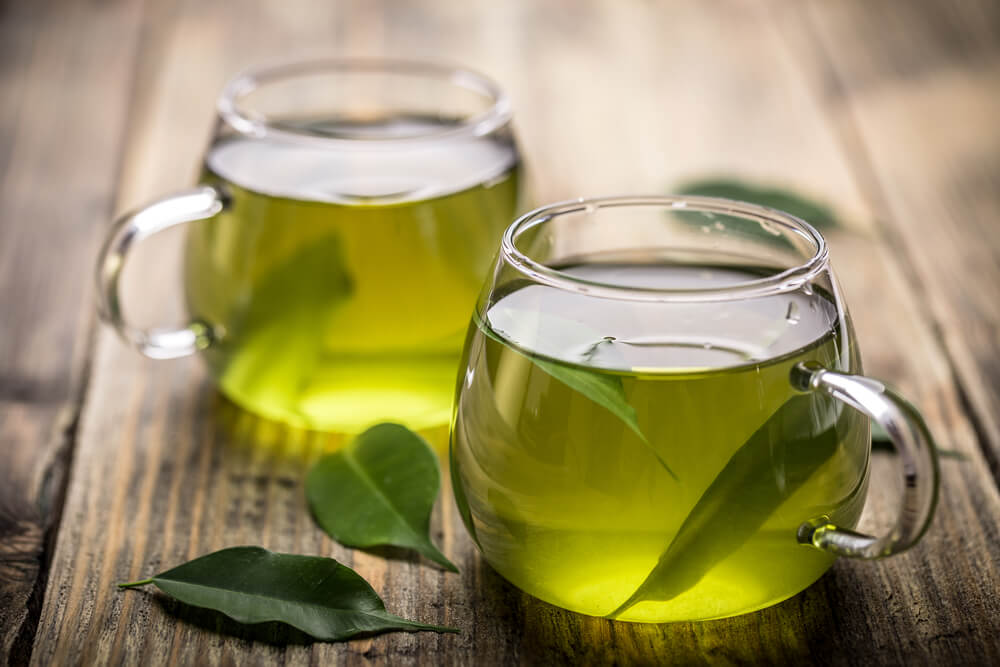
Green Tea:
Green tea contains catechins, including EGCG, which have antioxidant properties. Antioxidants help protect cells from oxidative stress, although this does not mean green tea can restore normal thyroid hormone production.
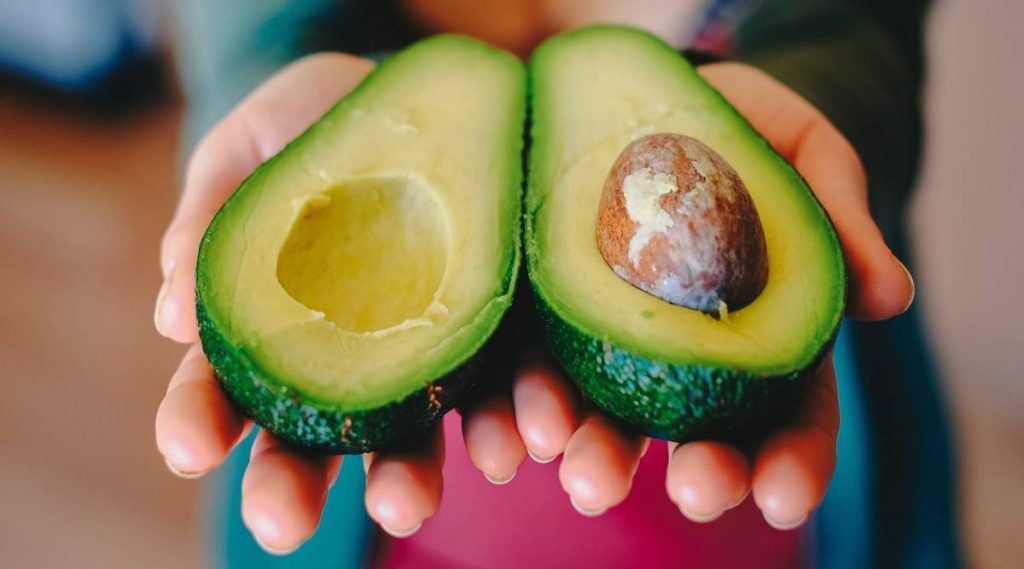
Avocado:
Avocado can be a nutritious addition to the diet of people with thyroid disorders, particularly those with hypothyroidism. It does not directly increase thyroid hormone levels, but its healthy fats, fiber, vitamins, minerals, and antioxidants can support overall health.
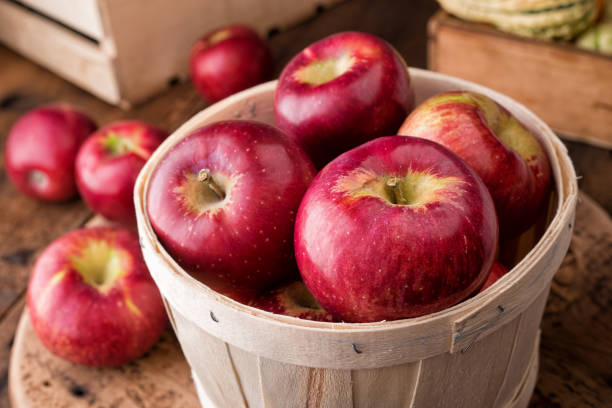
Apple:
Apple is a nutritious fruit that can be included in a balanced diet for most thyroid patients. It provides dietary fiber, vitamin C, antioxidants, and natural carbohydrates, making it a convenient snack for people with hypothyroidism or other thyroid conditions.
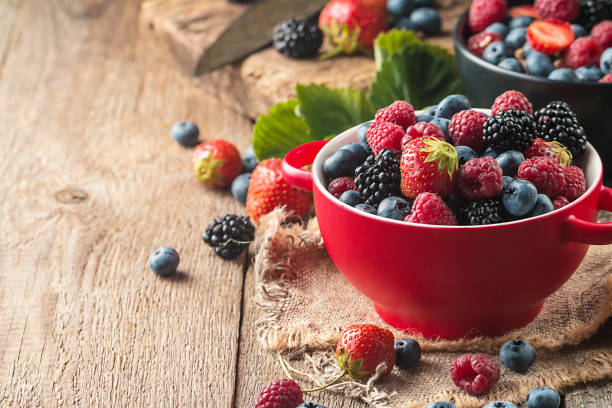
Berries:
Being rich in antioxidants, berries are great for your thyroid organs. They help stimulate the production of thyroid hormones and help them function smoothly.
Berries also contain vitamins and minerals that protect us from oxidative damage caused by free radicals. In this case, definitely include strawberries, blueberries, or wild blueberries in the diet.
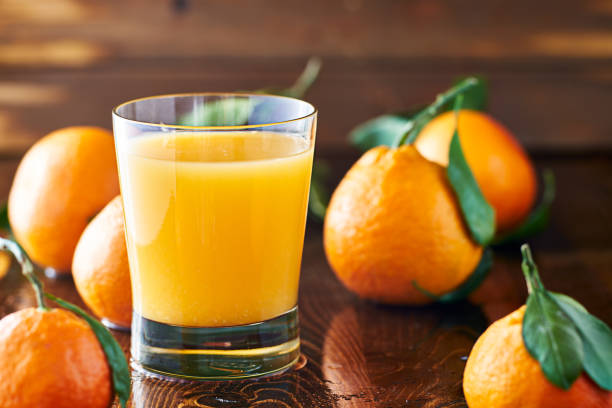
Oranges:
Rich in vitamin C and antioxidants, oranges can neutralize free radicals, protecting your cells from further damage. Free radicals cause inflammation in the thyroid gland and can affect its functioning.
Vitamin C also boosts immunity, regulates blood sugar, manages cholesterol levels, prevents skin damage, and helps heal wounds.
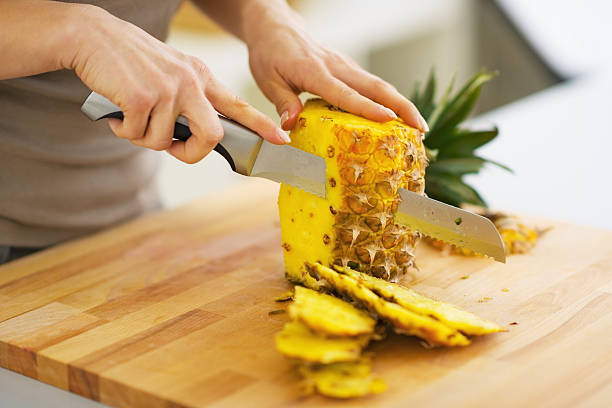
Pineapple:
Pineapples are high in vitamin C and manganese, both of which can protect our bodies from free radical damage. This citrus fruit also contains B vitamins that can help relieve fatigue, one of the symptoms of thyroid.
The consumption of pineapple is also good for people suffering from cancer, tumors, and constipation.
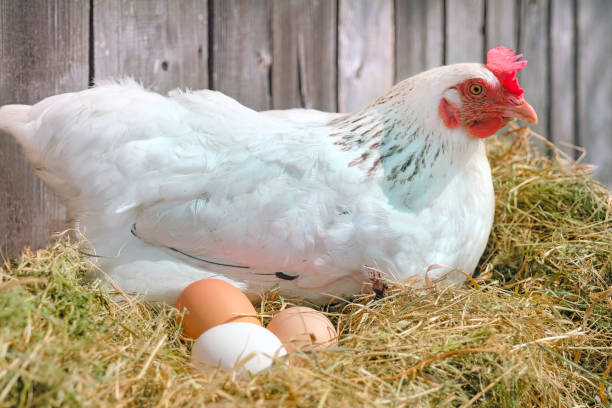
Eggs and Chicken:
Eggs, especially pasteurized eggs, contain adequate levels of both selenium, which are good for thyroid functioning. Eat the whole egg for the most health benefits, as the yolk contains the most nutrients.
Chicken is an ideal source of lean protein, and it contains zinc, which is needed to produce enough thyroid hormone.
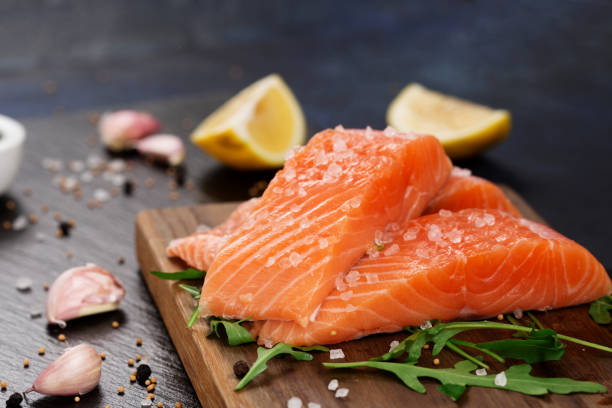
Fish:
Fish, including salmon, tuna, shrimp, etc., are rich in omega-3 fatty acids, which reduce inflammation and help build immunity. It is known to be rich in selenium, a nutrient that regulates thyroid levels. This is one of the best thyroid prevent food.
Indian Diet Plan For Thyroid Patients: When And What To Eat:
Diet plays an essential role in managing the symptoms of thyroid. A nutritious and well-balanced diet may not help treat a thyroid problem, but it can reduce symptoms when paired with the right medication. Consuming foods rich in certain essential nutrients like iodine, calcium, and vitamin D can help in reducing its symptoms.
7 Day Hyperthyroidism Diet Plan:
This sample diet chart focuses on balanced meals, adequate calories and protein, fruits, vegetables, whole grains, and calcium-rich foods. For hyperthyroidism, individual calorie and nutrient requirements can vary, so the plan should ideally be adjusted by a doctor or registered dietitian.
| Day | Early Morning | Breakfast | Mid-Morning Snack | Lunch | Evening Snack | Dinner |
|---|---|---|---|---|---|---|
| Day 1 | 1 glass warm water + 4 soaked almonds | Vegetable oats upma + 1 bowl curd | 1 apple | 2 whole-wheat rotis + moong dal + lauki sabzi + salad + curd | Roasted makhana + herbal tea | 2 rotis + paneer bhurji + mixed vegetable sabzi |
| Day 2 | Warm water + 2 walnuts | 2 vegetable besan chillas + curd | 1 guava | Brown rice + rajma + cucumber-carrot salad + curd | Sprouts chaat | 2 rotis + dal + bhindi sabzi + salad |
| Day 3 | Warm water + 5 soaked almonds | Vegetable poha + 1 bowl curd | 1 orange | 2 rotis + chana dal + cabbage-carrot sabzi + salad | Roasted chana + buttermilk | Vegetable khichdi + curd + sautéed vegetables |
| Day 4 | Warm water + 2 walnuts | 2 moong dal chillas + paneer filling | 1 pear | 2 rotis + masoor dal + pumpkin sabzi + curd | Makhana + coconut water | Brown rice + vegetable dal + salad |
| Day 5 | Warm water + soaked almonds | Vegetable dalia + curd | 1 papaya bowl | 2 rotis + moong dal + beans-carrot sabzi + salad | Roasted chana + buttermilk | 2 rotis + paneer/tofu + bottle gourd sabzi |
| Day 6 | Warm water + 2 walnuts | 2 idlis + vegetable sambar | 1 apple/guava | Brown rice + dal + mixed vegetables + curd | Fruit bowl + handful of nuts | 2 rotis + moong dal + cauliflower/beans sabzi |
| Day 7 | Warm water + 4 soaked almonds | Vegetable upma + curd | 1 seasonal fruit | 2 rotis + dal + palak/pumpkin sabzi + salad + curd | Roasted makhana + buttermilk | Vegetable khichdi + paneer/tofu + cooked vegetables |
Important Tips for a Hyperthyroidism Diet:
- Include protein at every major meal through dal, beans, paneer, curd, tofu, eggs or other suitable sources.
- Choose calcium-rich foods such as milk, curd and paneer, particularly because hyperthyroidism can affect bone health.
- Include plenty of vegetables, whole grains and seasonal fruits.
- Stay adequately hydrated throughout the day.
- Limit excess caffeine, including strong coffee, energy drinks and excessive tea, especially if you experience palpitations, anxiety or sleep problems.
- Avoid taking iodine supplements or kelp/seaweed supplements unless specifically prescribed.
- Don’t make major changes to iodine intake without discussing them with your endocrinologist, particularly if you are taking antithyroid medication or preparing for radioactive iodine treatment.
- Portion sizes should be individualized according to age, body weight, activity level, appetite and whether the person is losing or gaining weight.
7 Day Hypothyroidism Diet Plan:
This 7-day Indian diet plan emphasizes protein, fiber, whole grains, fruits, vegetables, healthy fats and iodine-containing foods in appropriate amounts. It can support overall nutrition, but diet does not replace thyroid medication when prescribed.
| Day | Early Morning | Breakfast | Mid-Morning Snack | Lunch | Evening Snack | Dinner |
|---|---|---|---|---|---|---|
| Day 1 | Warm water + 5 soaked almonds | Vegetable oats upma + 1 bowl curd | 1 apple | 2 whole-wheat rotis + moong dal + lauki sabzi + salad + curd | Roasted makhana + herbal tea | 2 rotis + paneer bhurji + mixed vegetables |
| Day 2 | Warm water + 2 walnuts | 2 moong dal chillas + paneer filling | 1 guava | Brown rice + rajma + cucumber-carrot salad + curd | Roasted chana + buttermilk | 2 rotis + masoor dal + bhindi sabzi |
| Day 3 | Warm water + 5 almonds | Vegetable poha + curd | 1 orange | 2 rotis + chana dal + pumpkin sabzi + salad | Sprouts chaat | Vegetable khichdi + curd + sautéed vegetables |
| Day 4 | Warm water + 2 walnuts | Vegetable dalia + curd | 1 pear | 2 rotis + moong dal + beans-carrot sabzi + curd | Roasted makhana + green/herbal tea | Brown rice + dal + paneer/tofu + cooked vegetables |
| Day 5 | Warm water + 4 soaked almonds | 2 besan chillas + vegetable filling | Papaya bowl | 2 rotis + masoor dal + mixed vegetable sabzi + salad | Roasted chana + buttermilk | 2 rotis + paneer/tofu + bottle gourd sabzi |
| Day 6 | Warm water + 2 walnuts | 2 idlis + vegetable sambar | 1 apple | Brown rice + dal + vegetable curry + curd | Fruit bowl + handful of nuts | 2 rotis + moong dal + beans/cauliflower sabzi |
| Day 7 | Warm water + 5 soaked almonds | Vegetable upma + curd | 1 seasonal fruit | 2 rotis + dal + palak/pumpkin sabzi + salad + curd | Makhana + buttermilk | Vegetable khichdi + paneer + cooked vegetables |
Important Dietary Tips for Hypothyroidism
- Take thyroid medicine correctly: If you take levothyroxine, it is generally taken on an empty stomach with water. Keep calcium and iron supplements several hours apart because they can interfere with absorption. Follow your doctor’s specific instructions.
- Use iodized salt in moderation: Iodine is necessary for thyroid hormone production, but taking extra iodine supplements without medical advice is not recommended.
- Eat adequate protein: Include dal, beans, paneer, curd, eggs, fish or other suitable protein sources.
- Choose high-fiber foods: Vegetables, fruits, whole grains, legumes and nuts can help support digestion and weight management.
- Include selenium and zinc sources: Eggs, fish, dairy, legumes, nuts and seeds can contribute these nutrients.
- Don’t completely avoid cruciferous vegetables: Foods such as cabbage, cauliflower and broccoli can generally be part of a balanced diet when eaten in normal portions, particularly when cooked.
- Limit highly processed foods: Reduce sugary drinks, sweets, refined snacks, deep-fried foods and excessive packaged foods.
- Stay hydrated: Drink adequate water throughout the day.
What Are The Thyroid Foods To Avoid:
Here is the list of thyroid foods to avoid for thyroid patients out there.
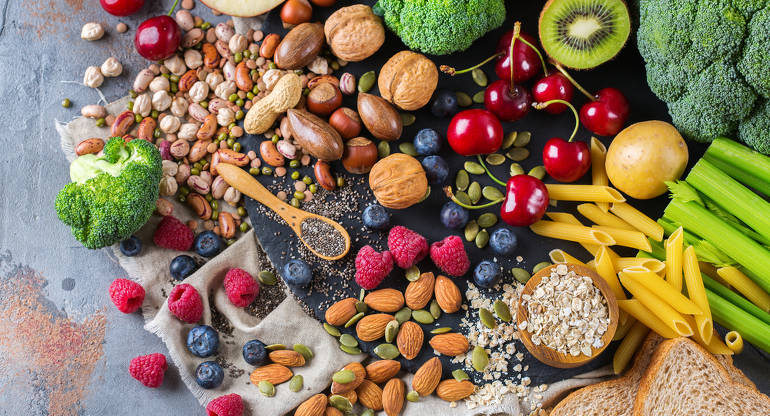
It is said that the right diet takes away your problems. Similarly, some wrong things turn your minor problems into big problems. Therefore, what you should eat is more important than what you should not eat. Let us know about some such things which you should not eat at all during thyroid problems.
Ingredients Containing Gluten:
A person suffering from thyroid problems should not consume food items containing gluten. Actually, due to this, the diet chart for thyroid patients may have swelling and allergy problems in the body. Wheat, commonly used in houses, has gluten in malt and yeast. So keep your distance from such substances.
An article published in the journal Endocrine Connections states that hypothyroidism and celiac disease often co-exist, and a gluten-free diet can treat the thyroid condition.
You can talk to the doctor about this topic. A study published in Experimental and Clinical Endocrinology and Diabetes found that a gluten-free diet may have clinical benefits for women with thyroid disease.
Soy Products:
Soya products should also not be consumed in the condition of the thyroid. Although there is no iodine inside it, recently many studies have been done about tofu.
These studies suggest that soy may worsen thyroid conditions. So avoid using it completely.
Caffeinated Beverages:
Usually, people consume tea, coffee, or chocolate in homes or offices, which contain caffeine. Consuming these can increase nervousness, irritability, and heart rate. Which can act to increase the symptoms of hyperthyroidism condition.
If you have this problem and you consume tea or coffee early in the morning, then you can replace it with herbal tea, water, or apple cider vinegar mixed with water.
Cruciferous Vegetables Like Broccoli and Cauliflower:
Cruciferous vegetables, such as broccoli and cabbage, are packed with fiber and other nutrients. But they can interfere with thyroid hormone production if you have an iodine deficiency. That’s why it’s a good idea to limit your intake of Brussels sprouts, cabbage, cauliflower, kale, and turnips.
Research shows that digesting these vegetables may block the thyroid’s ability to use iodine, which is essential for normal thyroid functioning. However, according to the Mayo Clinic, you would need to consume significant amounts of cruciferous for it to truly affect iodine intake.
More Fiber-Rich Foods:
Getting enough fiber is good for you, but too much can complicate your hypothyroidism treatment. It is currently recommended that adults up to age 50 consume 25 to 38 grams of fiber a day. The amount of dietary fiber from whole grains, vegetables, fruits, beans, and legumes that go above that level affects your digestive system.
If you’re on a high-fiber diet, ask your doctor whether you need a higher dose of thyroid medication. Your dose may need to be increased if you are not absorbing enough of the medicine.
Summary:
Patients of Thyroid should follow the diet chart, as well as regular Yoga and exercise are also important. Regular exercises also increase the thyroid function.
Even after following this Indian diet chart for the thyroid patient if the problem of the thyroid is increasing, then contact the doctor immediately.
Thyroid Diet Myths vs. Facts:
There are many myths surrounding the thyroid diet plan, especially since the thyroid plays such a crucial role in regulating metabolism and overall health. Here’s a breakdown of common myths versus the facts to help clear up any confusion about thyroid health and diet:
Myth 1: You should avoid all foods that contain iodine if you have thyroid problems.
Fact:
While iodine is important for thyroid function, it’s not necessary to completely avoid iodine-rich foods unless you have a specific condition like Graves’ disease or autoimmune thyroiditis that involves excessive iodine. In fact, iodine is an essential nutrient for thyroid hormone production.
Foods high in iodine include iodized salt, seaweed, dairy, and eggs.
However, excessive iodine can exacerbate certain thyroid conditions, so balance is key. Always consult your doctor for personalized advice.
Myth 2: A low-carb diet is always the best option for thyroid health.
Fact:
While a low-carb diet can work for some people with thyroid issues, it is not universally beneficial for everyone. The thyroid requires a balance of nutrients to function optimally, and eliminating carbs can sometimes lead to nutrient deficiencies, which can affect thyroid function.
People with hypothyroidism (underactive thyroid) need to ensure they’re getting enough calories and carbohydrates to support energy levels and metabolism.
Instead of severely restricting carbs, focus on complex carbohydrates like whole grains, vegetables, and fruits that provide fiber and support metabolic health.
Myth 3: Gluten is harmful to everyone with thyroid problems.
Fact:
Gluten is only a concern for individuals with celiac disease or a gluten sensitivity, not everyone with thyroid issues. While some individuals with autoimmune thyroid disorders (like Hashimoto’s thyroiditis) may benefit from avoiding gluten due to its potential to trigger inflammation, all thyroid patients don’t need to eliminate gluten.
It’s important to monitor how your body responds to gluten, and if you’re not sensitive to it, there’s no need to avoid it.
Always seek advice from a healthcare professional before making drastic dietary changes like eliminating gluten entirely.
Myth 4: Eating soy can worsen thyroid problems.
Fact:
Soy contains compounds called goitrogens, which can interfere with thyroid function by inhibiting iodine uptake. However, moderate consumption of soy is generally safe for most people with thyroid issues, especially if their iodine intake is adequate.
Soy-based foods like tofu, tempeh, and edamame can be part of a balanced diet for most people with thyroid problems.
If you have hypothyroidism and are taking thyroid medication, it’s wise to avoid consuming large amounts of soy at the same time as your medication, as it could interfere with absorption.
Myth 5: A thyroid diet should be high in fat to support thyroid function.
Fact:
While healthy fats are essential for overall health and hormone balance, a high-fat diet is not necessarily better for thyroid function. The thyroid needs a balance of macronutrients (carbs, proteins, and fats) to operate effectively.
Healthy fats like omega-3 fatty acids from fish, flaxseeds, and walnuts are beneficial for reducing inflammation and supporting overall health.
Focus on a well-rounded diet with a good balance of lean proteins, complex carbs, and healthy fats rather than overemphasizing fat consumption.
Myth 6: If you have thyroid problems, you must avoid all cruciferous vegetables.
Fact:
Cruciferous vegetables like broccoli, cauliflower, cabbage, and kale do contain goitrogens (compounds that can interfere with thyroid hormone production). However, for most people with thyroid problems, eating these vegetables in moderation is perfectly safe and can be part of a healthy diet.
Cooking cruciferous vegetables helps reduce goitrogenic compounds, making them even safer for those with thyroid issues.
Only in large amounts (or when iodine intake is low) do goitrogens pose a potential risk, so moderation is key.
Myth 7: You can cure thyroid problems just by changing your diet.
Fact:
Diet alone is not a cure for thyroid problems. While a well-balanced diet can support thyroid health and overall well-being, thyroid conditions like hypothyroidism or hyperthyroidism typically require medical treatment such as medication or other interventions prescribed by a doctor.
Hypothyroidism usually requires thyroid hormone replacement therapy (like levothyroxine), and hyperthyroidism may need medications, radioactive iodine, or even surgery.
Diet can play a supportive role, but it is not a substitute for medical treatment.
Myth 8: You should avoid all processed foods if you have thyroid issues.
Fact:
While it’s generally a good idea to limit processed foods due to their high content of sugar, unhealthy fats, and additives, it’s not necessary to eliminate them entirely from your diet if you have thyroid issues.
A diet rich in whole foods, such as vegetables, fruits, lean proteins, and healthy fats, is always recommended for overall health.
Occasional processed foods can be part of a balanced diet, but prioritize nutrient-dense options.
Myth 9: Taking thyroid supplements will solve all thyroid issues.
Fact:
While certain supplements, like iodine, selenium, or zinc, may support thyroid function, they should never replace medical treatment. Only a doctor can properly diagnose thyroid conditions and recommend appropriate treatment, including whether supplements are necessary.
Over-supplementing with certain nutrients can be harmful, so it’s crucial to consult with a healthcare provider before using supplements, especially in the case of thyroid dysfunction.
Myth 10: A thyroid diet needs to be restrictive to be effective.
Fact:
A thyroid-friendly diet doesn’t need to be overly restrictive. The focus should be on eating a balanced, nutrient-dense diet with a variety of foods that support thyroid function.
Focus on whole, unprocessed foods like fruits, vegetables, lean proteins, and whole grains.
Avoid extreme dietary practices and instead aim for sustainable, healthy eating habits that support overall wellness.
Sample Grocery List for Thyroid Patients:
A well-balanced grocery list for thyroid patients should focus on supporting overall thyroid health while ensuring essential nutrients are included. Whether you have hypothyroidism (underactive thyroid), hyperthyroidism (overactive thyroid), or any thyroid-related disorder, choosing the right foods can support your treatment and enhance your well-being.
Here’s a sample grocery list that includes foods beneficial for thyroid patients:
1. Whole Grains:
Whole grains are a great source of complex carbohydrates, fiber, and essential vitamins. They provide sustained energy and support digestive health.
- Brown rice
- Quinoa
- Oats
- Whole wheat bread or pasta
- Barley
- Millet (Bajra)
- Farro
2. Fresh Vegetables:
Many vegetables, especially leafy greens and cruciferous vegetables, are packed with antioxidants, vitamins, and minerals that support overall health.
- Spinach
- Kale
- Swiss chard
- Collard greens
- Carrots
- Bell peppers
- Zucchini
- Cucumbers
- Sweet potatoes
- Tomatoes
- Onions
- Garlic
3. Fruits:
Fruits are rich in vitamins, minerals, and antioxidants. Choose a variety of colorful options to ensure you get a broad spectrum of nutrients.
- Berries (blueberries, strawberries, raspberries)
- Apples
- Bananas
- Oranges
- Grapes
- Avocados (rich in healthy fats)
- Pomegranates
- Papayas
4. Protein Sources:
Protein is essential for thyroid health, especially for those with hypothyroidism who may be concerned about muscle loss or slower metabolism. Opt for lean sources of protein.
- Eggs
- Chicken breast (skinless)
- Turkey
- Fish (especially fatty fish like salmon, mackerel, sardines, which are high in omega-3 fatty acids)
- Tofu and Tempeh (for plant-based options)
- Lentils (dal)
- Chickpeas
- Black beans
- Edamame
5. Dairy or Dairy Alternatives:
Dairy products provide calcium and vitamin D, which are important for overall health and immune function. Choose low-fat or non-fat options, or plant-based alternatives if you’re lactose intolerant.
- Greek yogurt (rich in probiotics)
- Low-fat milk (or almond milk, soy milk, oat milk for dairy-free options)
- Cottage cheese (paneer)
- Cheese (in moderation)
6. Healthy Fats:
Healthy fats are essential for hormone production, including thyroid hormones. They also support brain function and reduce inflammation.
- Olive oil (for cooking and dressings)
- Coconut oil (for cooking)
- Nuts (almonds, walnuts, cashews, and Brazil nuts)
- Seeds (flaxseeds, chia seeds, pumpkin seeds, sunflower seeds)
- Nut butter (almond butter, peanut butter)
- Avocados
7. Iodine-Rich Foods:
Iodine is crucial for thyroid hormone production. It’s essential for those with hypothyroidism to maintain adequate iodine levels, though excess iodine can be harmful in some cases, particularly for those with autoimmune thyroid disease. Always consult a doctor about iodine needs.
- Seaweed (nori, kelp, wakame, dulse)
- Iodized salt (in moderation)
- Fish (salmon, mackerel, sardines)
8. Selenium-Rich Foods:
Selenium is a vital mineral that supports thyroid function and protects against oxidative stress. It also helps in the conversion of T4 (inactive thyroid hormone) to T3 (active thyroid hormone).
- Brazil nuts (high in selenium – just a few nuts per day are enough)
- Sunflower seeds
- Fish (tuna, sardines)
- Whole grains
- Eggs
9. Zinc-Rich Foods:
Zinc supports the immune system and thyroid function. It is also involved in hormone production and metabolism.
- Pumpkin seeds
- Cashews
- Chickpeas
- Lentils
- Oysters
- Beef (lean cuts)
- Chicken
10. Herbal Teas and Beverages:
Certain herbs and teas may offer health benefits for thyroid function. Choose these as a part of your hydration routine.
- Green tea (high in antioxidants)
- Ginger tea (supports digestion and inflammation)
- Turmeric tea (anti-inflammatory benefits)
- Chamomile tea (supports relaxation)
11. Supplements (if advised by your doctor):
In some cases, a doctor may recommend certain supplements to support thyroid health, including:
- Vitamin D (especially if you have low levels)
- Magnesium (supports thyroid and muscle health)
- Probiotics (for gut health)
- Iodine (if needed, typically from food rather than supplements)
- Fish oil (omega-3 fatty acids)
FAQs:
Q. What is the best Indian diet for thyroid patients?
A. A balanced Indian diet can include whole grains, vegetables, fruits, pulses, nuts, seeds, dairy or suitable alternatives, and adequate protein. The diet should be adjusted according to whether the person has hypothyroidism, hyperthyroidism, or another thyroid condition.
Q. Can thyroid patients eat roti and rice?
A. Yes. Thyroid patients can generally eat both roti and rice. Prefer whole-wheat roti, brown rice, or other minimally processed grains when appropriate, and keep portions balanced with vegetables and protein.
Q. Which fruits are good for thyroid patients?
A. Most whole fruits can be included in a thyroid-friendly diet. Apples, berries, oranges, guava, papaya, pomegranate and avocado are nutritious choices. Choose whole fruits rather than relying heavily on fruit juices.
Q. What should thyroid patients avoid eating?
A. There is no single universal “thyroid foods to avoid” list. Depending on the condition and medication, it may be important to limit highly processed foods, excessive added sugar, and excessive iodine supplements. The timing of certain foods relative to thyroid medication can also matter.
Q. Can a thyroid diet help with weight loss?
A. A balanced diet can support healthy weight management, but food alone cannot correct an underactive thyroid. If hypothyroidism is inadequately treated, thyroid hormone levels should be evaluated by a healthcare professional.
Q. What is a good Indian breakfast for hypothyroidism?
A. Options can include vegetable poha, vegetable upma, idli with suitable accompaniments, besan chilla, eggs with whole-grain roti, or oats with fruit and nuts. The best choice depends on individual calorie, protein and dietary requirements.
Q. Is there a special diet for hypothyroidism and hyperthyroidism?
A. Not exactly. The dietary approach can differ depending on the thyroid disorder, medications, nutritional deficiencies and other health conditions. A diet suitable for hypothyroidism should not automatically be followed by someone with hyperthyroidism.
Conclusion:
You may also choose to treat hypothyroidism with other medications. If you want to reduce the symptoms of hypothyroidism. However, there is not enough evidence to prove these claims. Therefore, you should always consult your doctor before making any significant changes in dietary habits or using any supplements. Checking your thyroid levels regularly on your own can also give you insight into how lifestyle changes are affecting your thyroid and general metabolism.
Reference Link:
 James
James