
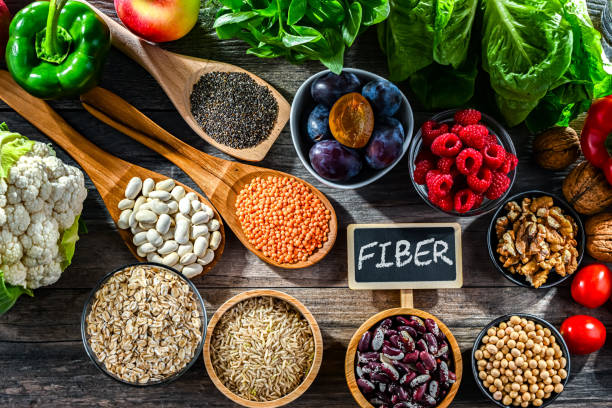
A high-fiber diet plan plays a vital role in helping us to lose weight quickly and healthily. Fiber helps in cleaning the body by natural means. With the consumption of high fiber in our diet, it not only provides our body with sufficient energy, but it also makes us feel full for a long time after eating fiber-rich foods. For this reason, dietitians recommend a cholesterol-controlled and high-fiber diet plan to lose weight.
Consuming a colossal amount of fiber in your diet means providing nutrients to the body. Fiber-made food not only help to keep our heart strong but also reduce high blood pressure and the risk of stroke. If you are adding high fiber to your diet to maintain weight, it is very useful to keep your stomach filled for a long period. This helps to maintain the digestive tract, digestion, and sugar levels.
7 Day High Fiber Diet Plan
If you aren’t used to high-fiber food consumption, then add high fiber into the diet plan slowly and try to drink more water during the course of the day. As consuming too much high-fiber food can lead to stomach cramping. See the 7-day high fiber diet plan below:
Day 1:
Breakfast
One bowl whole grain bran cereal (not more than a total of 5 grams of high fiber), seasoned with ½ sliced banana (total 1.5 grams of high fiber and ½ cup skim milk
Breakfast Snack
3.3 grams of high fiber (20 to 25 almonds) mixed with a ¼ cup of washed raisins, which is 2 grams of high fiber
Lunch
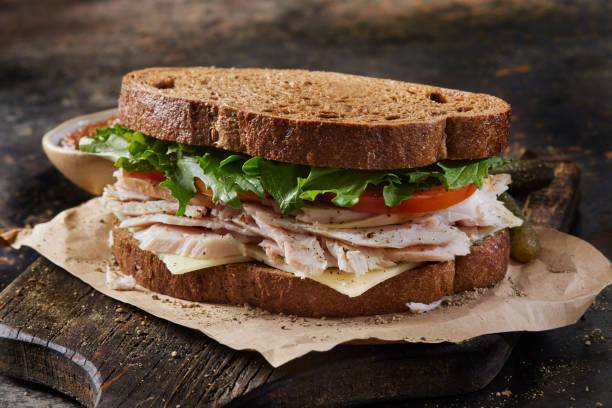
Make a turkey sandwich with whole wheat bread + chopped lettuce + sliced tomato (total 5 grams of high fiber)
1 orange, which is 3.1 grams of high fiber
Lunch Snack
½ cup of yogurt with a handful of blueberries (total 2 grams of high fiber)
Dinner
4 ounces grilled fish with a plate full of green salad prepared with some romaine lettuce + shredded carrots (total 2.6 grams of high fiber) + ½ cup of heated spinach (not more than 2.1 grams of high fiber), and ½ cup of lentils (not more than 7.5 grams of high fiber)
Night Time Snack:
1 bowl popped popcorn (not more than 3.5 grams of high fiber)
Day 2:
Breakfast
1 small bowl freshly made peanut butter alongside oats
½ cup of blueberries (total 5 grams of high fiber)
Breakfast Snack
Finely sliced carrot and cucumber with ½ cup of homemade spinach and some 2 tbsp. of artichoke hummus
Lunch
Finely chopped green salad + 2 cups full of homemade spinach + ¼ cup of chickpeas,
1.5 ounce goat cheese + ¼ sliced cucumber + ½ chopped red pepper + 1 Tbsp. full of hemp seeds
2 Tbsp. full of salad dressing (balsamic vinegar or lemon or olive oil) and ¼ avocado
Lunch Snack
1 orange or a handful of nuts
Dinner
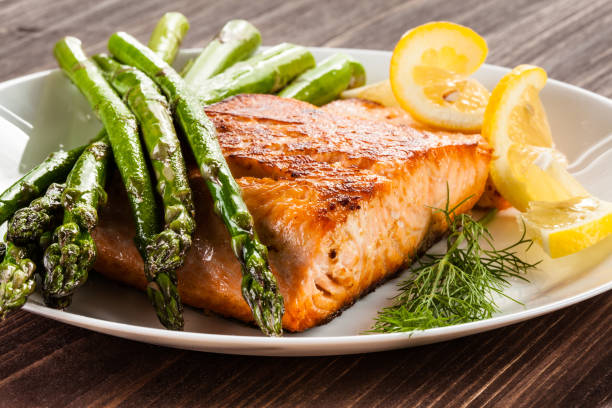
5 ounces of steamed salmon fish alongside 1 Tbsp. of tamari + ½ cup of microwaved quinoa and veggie mix or sautéed asparagus
Nighttime Snack:
¼ cup of raw mixed nuts
Day 3:

Breakfast
2 scrambled eggs prepared with 1 tablespoon olive oil or low-fat vegetable oil, 1 cup of chopped and lightly cooked spinach + ¼ cup of sliced tomatoes, chopped garlic, and then served with ½ an avocado
Breakfast Snack
1 small bowl brown rice along with 1 Tbsp. full of natural raw almond or homemade peanut butter + ½ piece of medium banana
Lunch
Chicken breast stuffed with 1 slightly roasted medium-sized red pepper, 1½ slices of mozzarella cheese, large kale leaf 1 piece) with 2 Tbsp. full of marinara sauce.
With it, you can also add 1 cup of green salad with ½ Tbsp. of dressing, ¼ cup of roasted potatoes, and 1 tsp. of olive oil, black pepper powder & salt for dressing.
Lunch Snack
½ cup of full berries with ½ cup of fat or Greek yogurt.
Dinner
1 cup of soup made with butternut squash and 1 whole grain bread and 2 tbsp. of pumpkin seeds
Nighttime Snack:
¼ cup of buttermilk or a handful of dry fruits
Day 4:
Breakfast
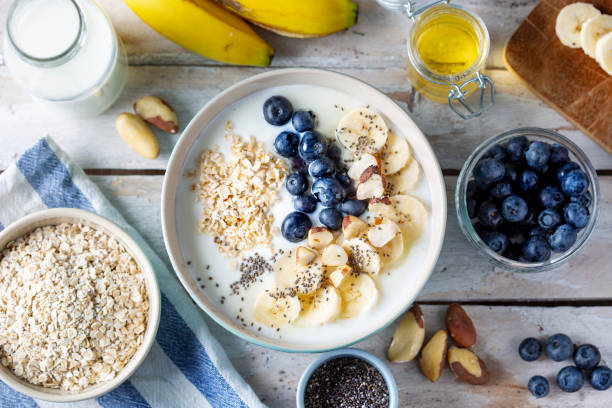
One bowl cooked oats, seasoned with ½ sliced banana, ½ bowl blueberries, 10 to 12 sliced almonds, and ½ cup skim milk
Breakfast Snack
¼ cup of washed raisins
1 banana
Lunch
Make a turkey sandwich with whole wheat bread + chopped lettuce + sliced tomato (total 5 grams of high fiber)
1 orange
Lunch Snack
½ cup of yogurt with a handful of blueberries
Dinner
6 ounces of steamed salmon with a plate full of green salad prepared with some romaine lettuce + shredded carrots + ½ cup of heated spinach, and ½ cup of lentils
Nighttime Snack:
1 bowl popped popcorn
Day 5:
Breakfast
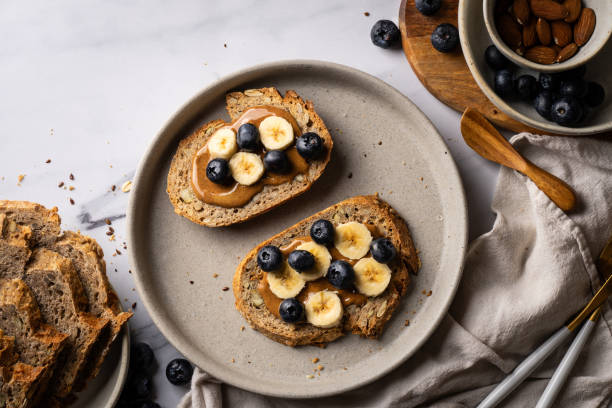
2 slices of whole wheat bread with freshly made peanut butter
½ cup of blueberries and skim milk ½ cup
Breakfast Snack
Finely sliced carrot and cucumber with ½ cup of homemade spinach and some 2 tbsp. of artichoke hummus
Lunch
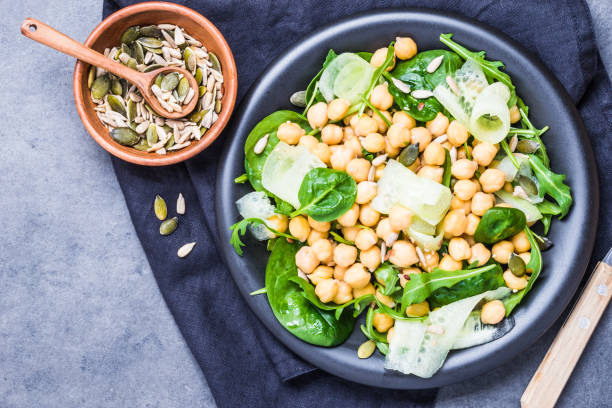
Finely chopped green salad + 2 cups full of homemade spinach + ¼ cup of chickpeas, 2 Tbsp. full of salad dressing (balsamic vinegar or lemon or olive oil) and ¼ avocado
1.5-ounce goat cheese + ¼ sliced cucumber + ½ chopped red pepper + 1 Tbsp. full of hemp seeds
Lunch Snack
1 apple or a handful of dry fruits
Dinner
5 ounces of grilled salmon fish alongside 1 Tbsp. of tamari + ½ cup of microwaved quinoa and veggie mix or sautéed asparagus
Nighttime Snack:
½ cup of dry fruits
Day 6:
Breakfast
1 bowl cooked oats with 10 to 12 chopped almonds, ½ sliced bananas, a handful of berries.
Breakfast Snack
1 apple and ½ cup of skim milk
Lunch
2 Ezekiel toasts or Gluten-free toasts and for toppings 1 small bowl full of mashed chickpea salad and 1 cup of yogurt
Lunch Snack
1 boiled egg. If you wish to, then you can drizzle the egg with ½ tbsp. olive oil, ¼ red pepper, and a pinch of cumin seeds.
Dinner
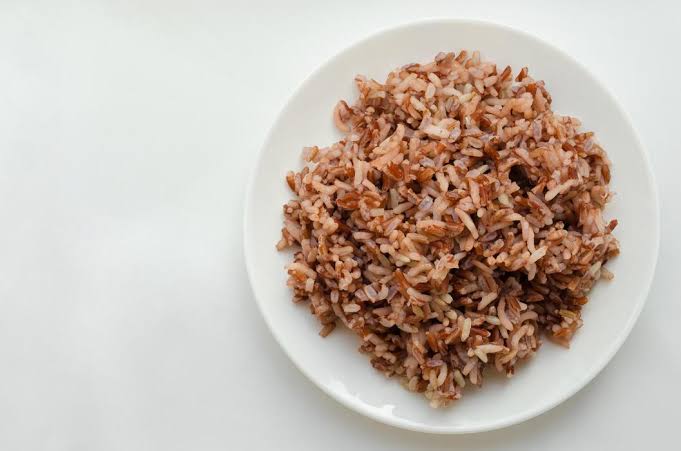
½ cup of cooked brown rice with chili sweet potato and 2 tbsp. full-fat Greek yogurt or ½ cup of coconut yogurt
Nighttime Snacks:
4 squares of dark chocolate
Day 7:
Breakfast
2 slices of whole grain homemade bread with freshly made almond butter, ½ cup of berries, ½ cup of strawberries, and 1 cup of banana milkshake
Breakfast Snack
Finely sliced tomato, carrot, and cucumber salad with ½ cup of homemade spinach and 2 tbsp. of artichoke hummus
Lunch
Finely chopped green salad + 2 cups full of homemade spinach + ¼ cup of chickpeas, 2 Tbsp. full of salad dressing (balsamic vinegar or lemon or olive oil) and ¼ avocado
1.5-ounce goat cheese + ¼ sliced cucumber + ½ chopped red pepper + 1 Tbsp. full of hemp seeds
Lunch Snack
1 apple with almond butter
Dinner
5 ounces of grilled salmon fish alongside 1 Tbsp. of tamari + ½ cup of microwaved quinoa and veggie mix or sautéed asparagus
Nighttime Snack:
1 cup of skim milk
Try this high fiber diet plan for 4 weeks to lose weight quickly yet healthily.
High Fiber Foods:
Fiber also works in digesting the food consumed by us. Constipation, piles, high cholesterol, BP, diabetes, and other stomach problems start developing if you do not take the amount of fiber in your diet. Women need 25 grams of fiber per day, while men need 35 to 40 grams of fiber per day. But on average, we are able to take only 15 grams of fiber a day. Therefore, if seen, every person needs to pay more attention to fiber by consuming high-fiber foods. So, see below some high-fiber foods.
Potato:
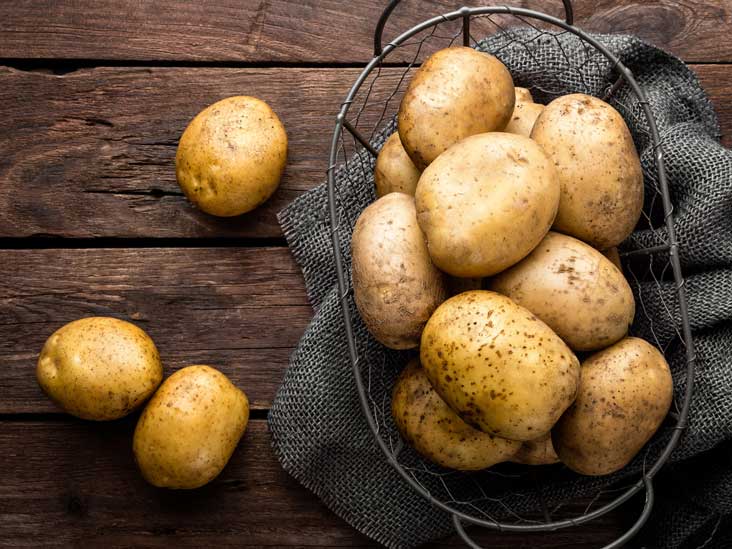
Potato is a widely and easily available vegetable that is rich in fiber. Potatoes are a top source of B vitamins, vitamin C, and magnesium. Varieties such as russet, red, and sweet potatoes all contain at least 3 grams of fiber in a medium-sized veggie. This is only possible if you eat the potato with the skin on. Try adding cooked vegetables to salads, stews, soups, side dishes, stir-fries, and casseroles along with the skin, or enjoy baked potatoes more often.
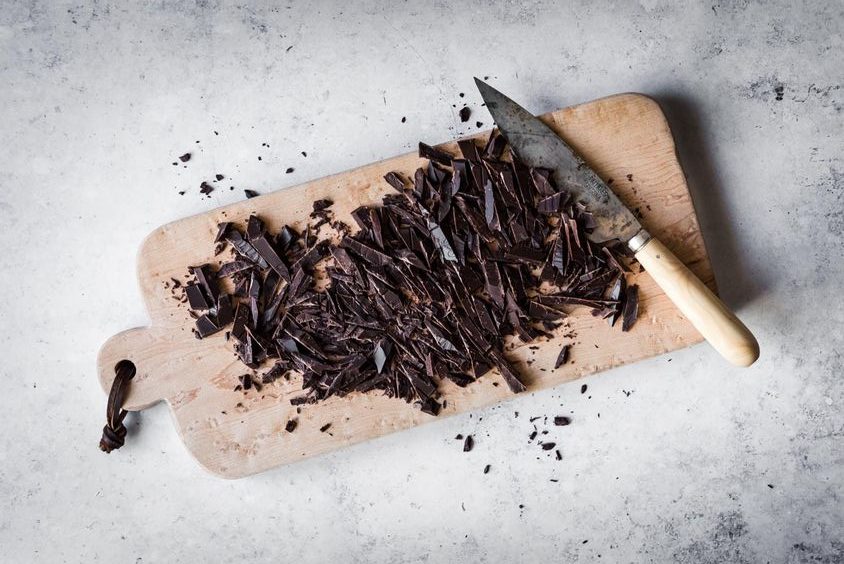
Dark Chocolate:
Who doesn’t love chocolate! Dark chocolate is one of the most delicious and loved food items by people of all ages. It is also nutritious and rich in antioxidants. It has a secret ingredient: fiber! Precision dark chocolate made from 70-85% cacao contains 11 grams of fiber.
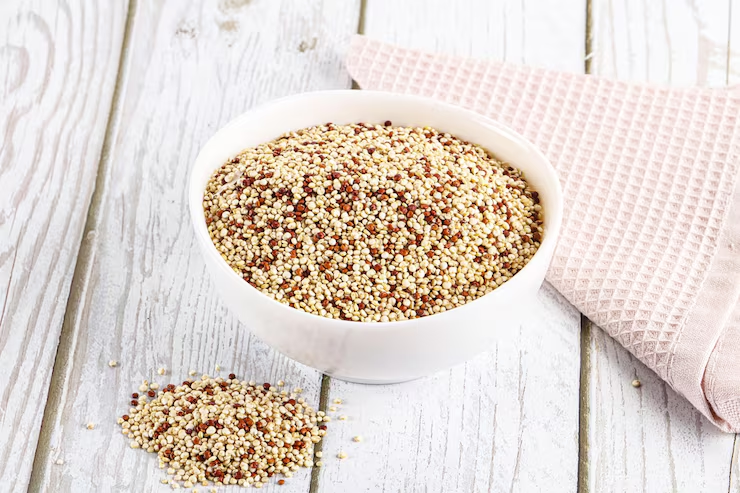
Quinoa:
Quinoa has been called the ‘mother of the grain’ from the ancient grain. It is a pseudo-cereal that is incredibly popular among health-conscious people. It is full of nutrients including protein, iron, zinc, magnesium, potassium, and antioxidants, to name a few. Quinoa is rapidly replacing rice and wheat. Diabetic patients benefit greatly from quinoa as it ranks low on the glycemic index. Thirty-six percent of this dietary fiber is soluble, and 64 percent is insoluble.
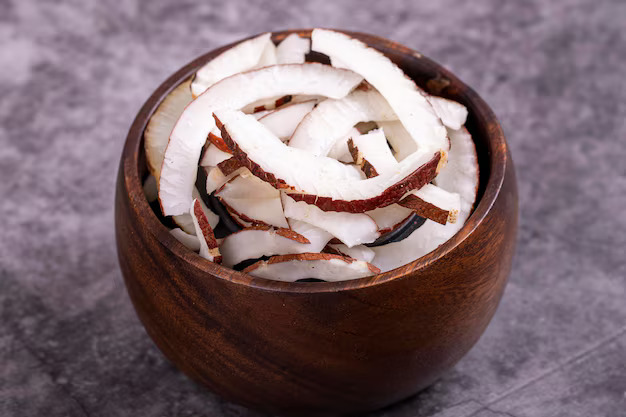
Coconut:
Coconut provides 16% of the daily required dietary fiber, along with other fiber sources such as wheat bran, oat bran, and rice bran. Coconut is an excellent fruit because it contains a rich source of fiber and fat and is made from meat and liquid coconut water. The fiber in coconut plays an important role in helping digestion, preventing constipation by adding bulk to the stool. It also promotes healthy cholesterol levels and has been linked to a lower risk of heart disease. Coconut is one of the best fiber-rich foods and is available throughout the year.
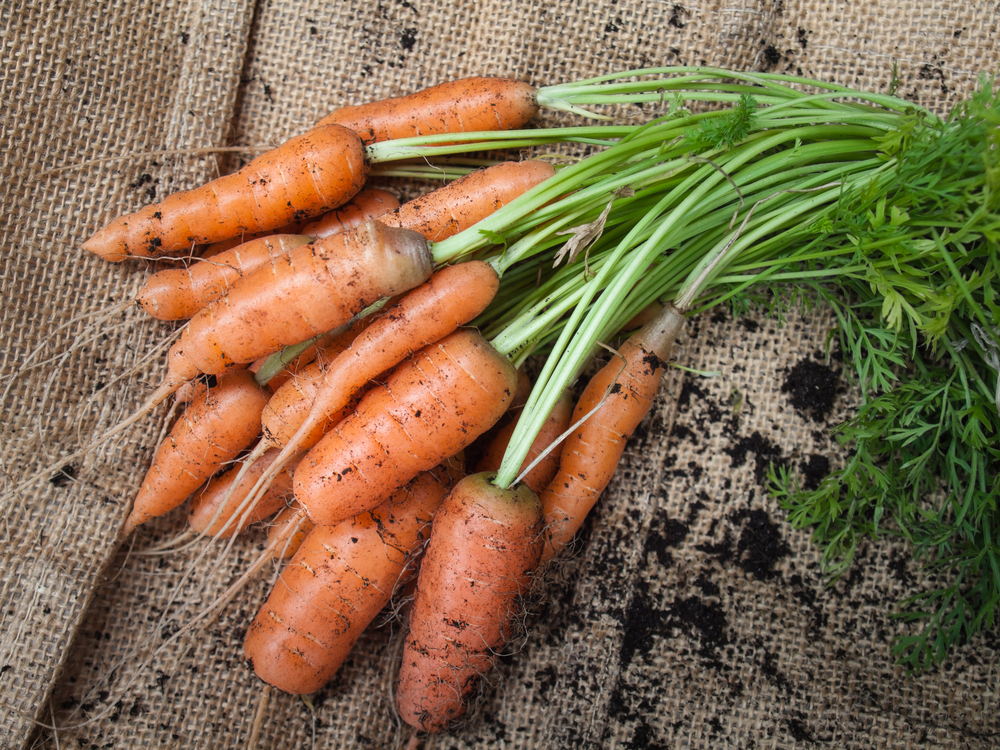
Carrot:
Carrot is a root vegetable that is available in vibrant orange and sometimes pink colors. They are crunchy, flavorful, and are enjoyed both raw and cooked. It is rich in vitamin K, vitamin B6, magnesium, and beta-carotene, an antioxidant that converts into vitamin A into carrots, improving eye health.
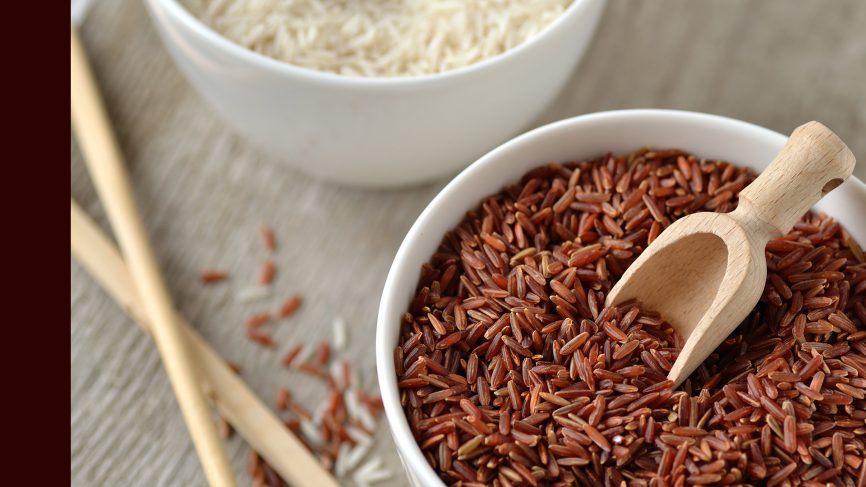
Brown Rice:
If you want to keep your body in tip-top shape, try serving brown rice in your meals once or twice a week to keep your body functions healthy. Insoluble fiber relieves digestive problems and keeps your stool regular. Equal amounts of soluble and insoluble fiber are essential for the healthy functioning of your body.
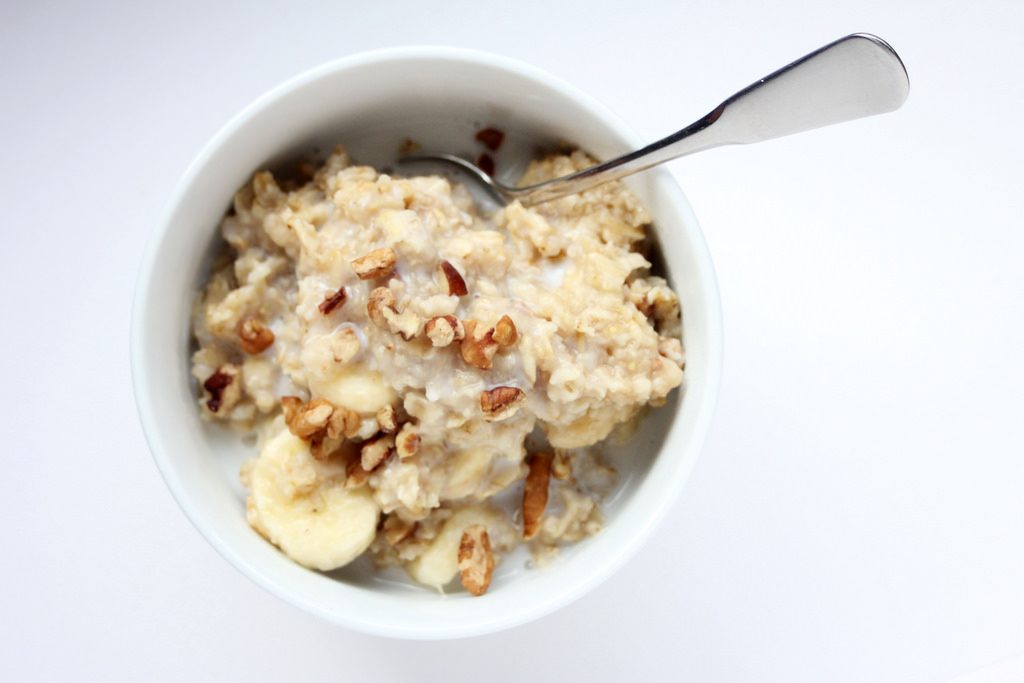
Oatmeal:
Oatmeal is high in soluble fiber. Eating a bowl of oatmeal for breakfast is the best way to start your day. It is one of the best ways to prevent high cholesterol in the body. It is one of the best and most luxurious fibrous foods. Beta-glucan, the soluble fiber in oats, has many benefits that help lower cholesterol and blood sugar levels. It promotes healthy gut bacteria, and you feel full.
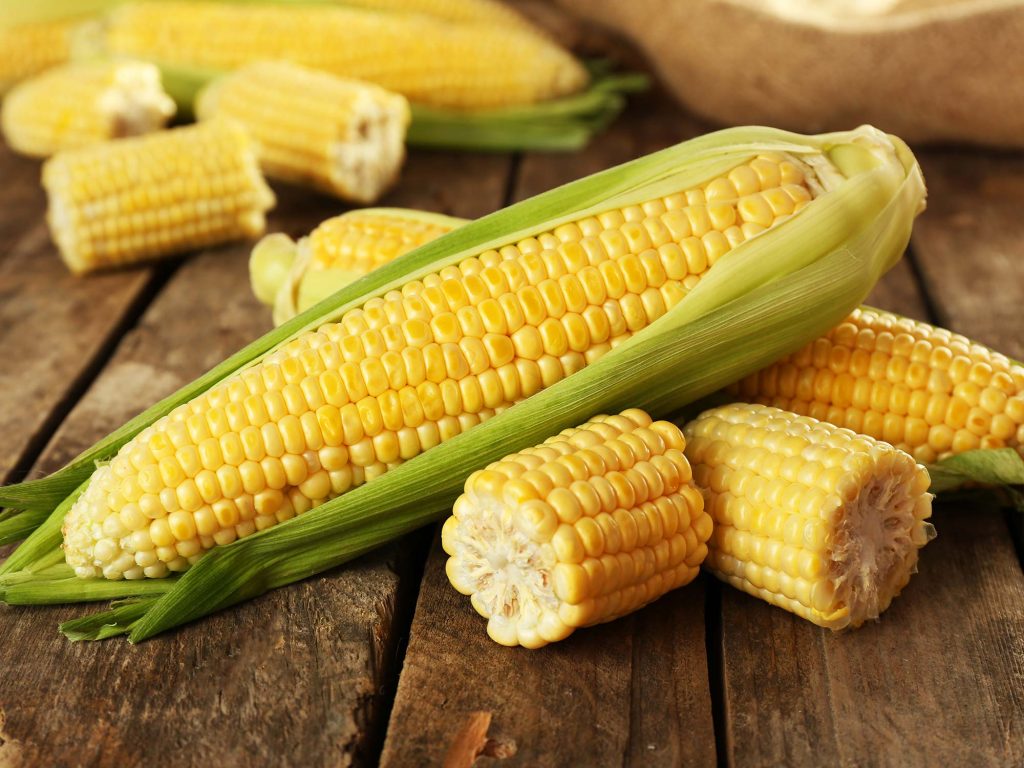
Sweet Corn:
Sweet corn is rich in insoluble fiber, which is good for gut health. It feeds the good bacteria present in our gut. Sweet corn tops the fiber-rich food list because it provides additional nutritional value along with a lot of fiber. The amount of fiber present in sweet corn depends on the quality of the produce.
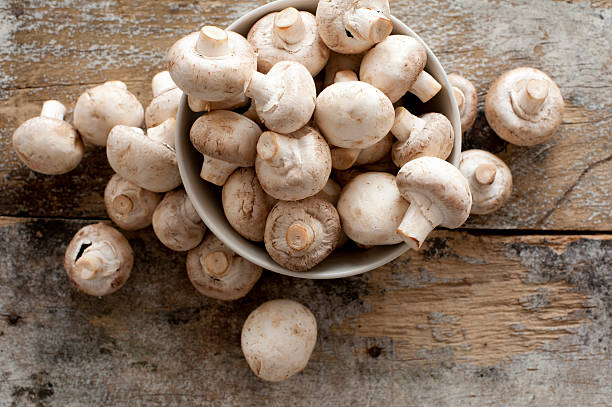
Mushrooms:
The amount of fiber in mushrooms varies with its type. A white raw truffle contains 0.8 grams of dietary fiber. But once cooked, the water content in mushrooms decreases, and the fiber per cup increases greatly because they are more concentrated. To up the fiber content, we can combine them with other fiber-rich vegetables.
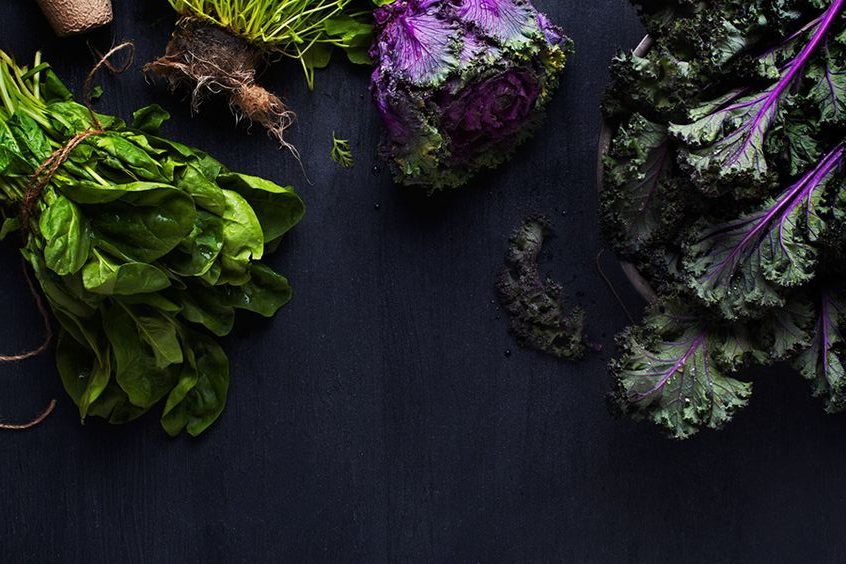
Leafy Green Vegetables:
The green color is called the color of the fiber. Green, leafy vegetables are quite rich in vitamins, minerals, and beta-carotene. But their fiber content isn’t too bad. Among fibrous vegetables, leafy greens take first place. About 1 gram of fiber is present in 100 grams of leafy greens, which makes it an excellent source of nutrients. You can add them to salads, sauté them in olive oil, and add garlic, lemon, and herbs to bring out a rich flavor. Spinach leaves and beet greens contain calcium, iron, vitamin C, vitamin A, as well as many other minerals.
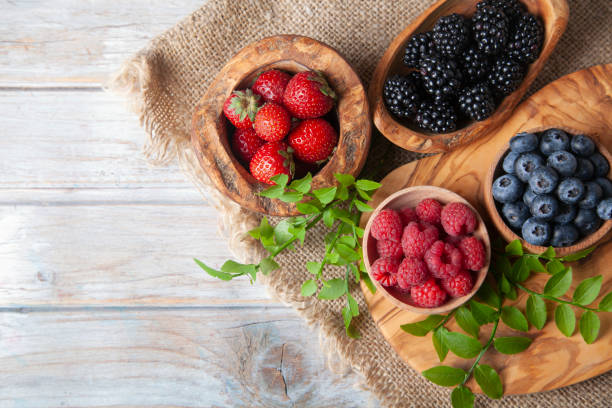
Berries:
Jamun is widely known for its fiber-rich content. But it also provides the body with essential vitamins and antioxidants for added benefits. A fresh cup of blueberries contains 4 grams of fiber. Naturally low in calories, blackberries, strawberries, and raspberries are excellent sources of fiber. Jamun has the best fiber-per-calorie bargain. The tiny seeds in berries make the fiber content higher than in other fruits. You can add berries as a topping to breakfast cereals, salads, desserts, and yogurt.
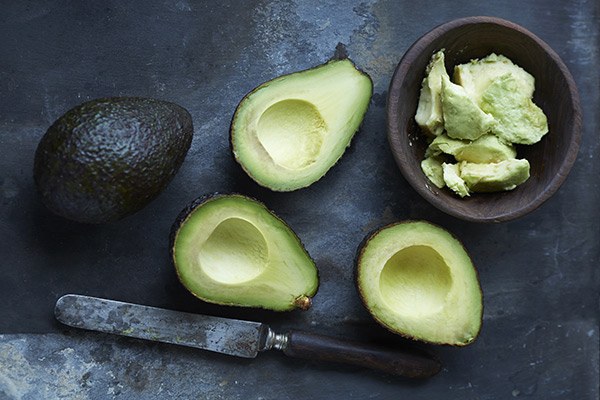
Avocado:
Avocado is known to have high levels of heart-healthy monounsaturated fat. It is a great source of fiber. An avocado contains about 9 grams of fiber, making it an ideal choice for people who are looking for fiber instead of a carbohydrate-restricted diet. Avocados also contain healthy fats, which are good for a healthy heart.
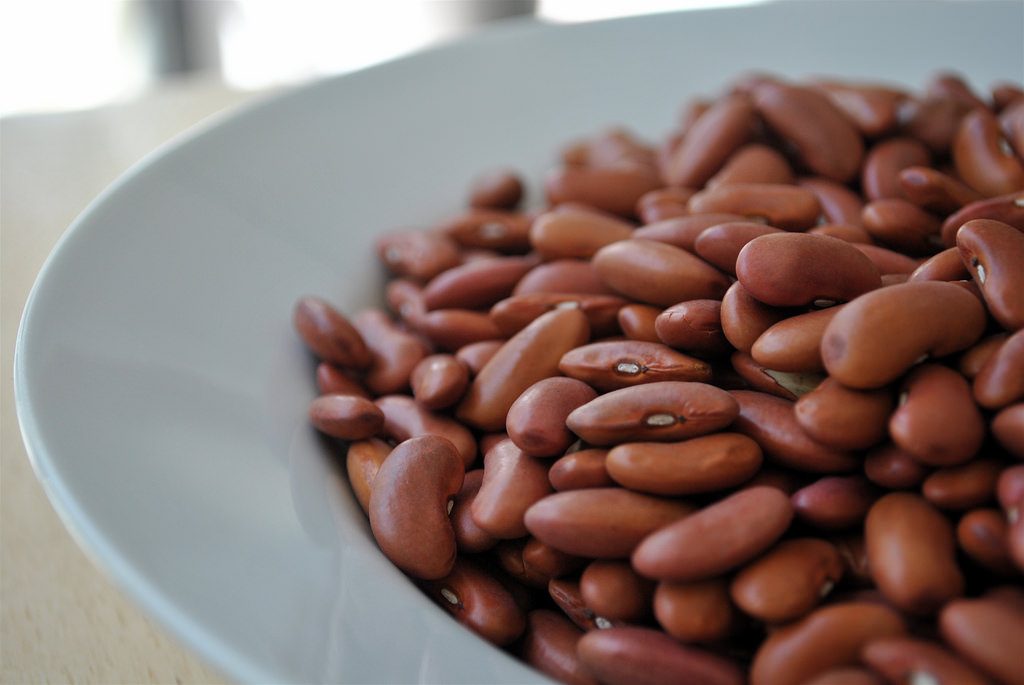
Beans:
Most fiber is found in beans. Nutritious beans are rich in protein and soluble fiber and very low in fat. It is free from saturated fat and are a good source of many nutrients essential for human health. More than 15 grams of fiber is present in one cup of kidney beans and cowpeas.
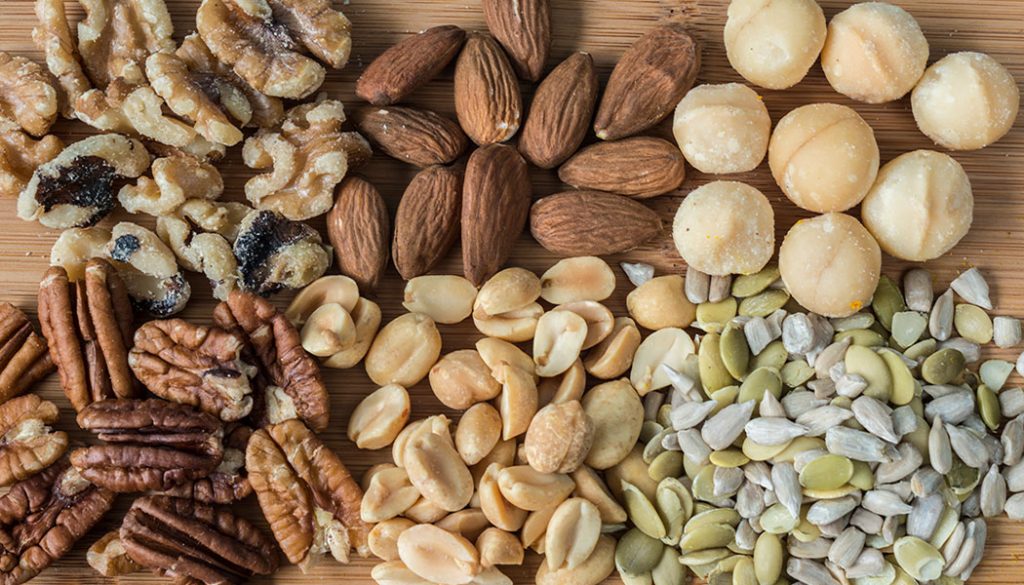
Nuts:
Dietary fiber is one of the most important foods in a healthy diet. A diet rich in fiber balances body weight and also keeps it away from diseases. Almonds, pistachios, and walnuts not only contain protein, but they are also rich in fiber. Raisins contain both soluble and insoluble fiber. The body gets instant energy from raisins.
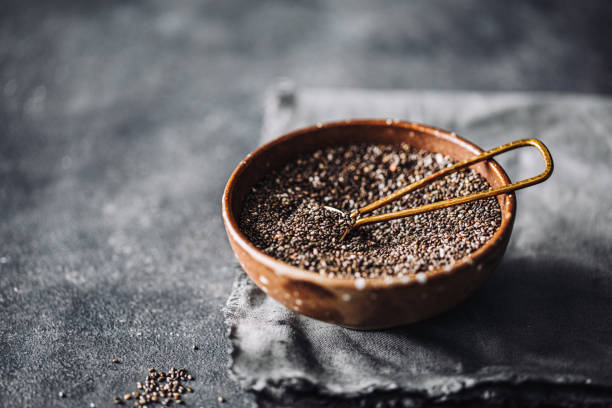
Chia Seeds And Flax Seeds:
This helps in maintaining overall health benefits. They are rich in high-quality fiber. They are rich in protein, fiber, and omega-3 fats, which are helpful in boosting our metabolic system, quenching hunger, and increasing the fat-burning hormone glucagon. One tablespoon of chia seeds contains about 5.5 grams of fiber.
Flaxseeds are also versatile seeds rich in omega-3s and fiber. Your body also gets all kinds of nutrients from flaxseed seeds. In addition to about 4 grams of fiber in 2 teaspoons of flaxseeds, there is also a special antioxidant rich in anti-estrogenic properties.
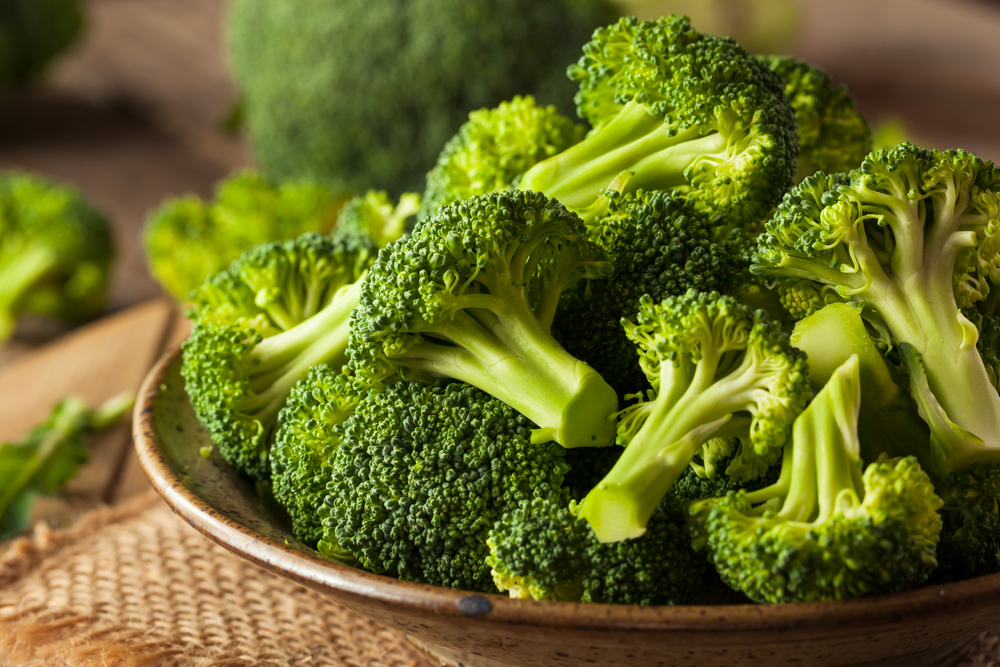
Broccoli:
Broccoli is a high-fiber perennial superfood. One cup of broccoli has about 5 grams of fiber and only 50 calories. This dark green vegetable, belonging to the Brassica family, is rich in iron, protein, calcium, carbohydrates, chromium, vitamins A and C, which makes the vegetable nutritious. Apart from this, it also contains phytochemicals and antioxidants, which are helpful in fighting disease and body infections and improving the digestive system.
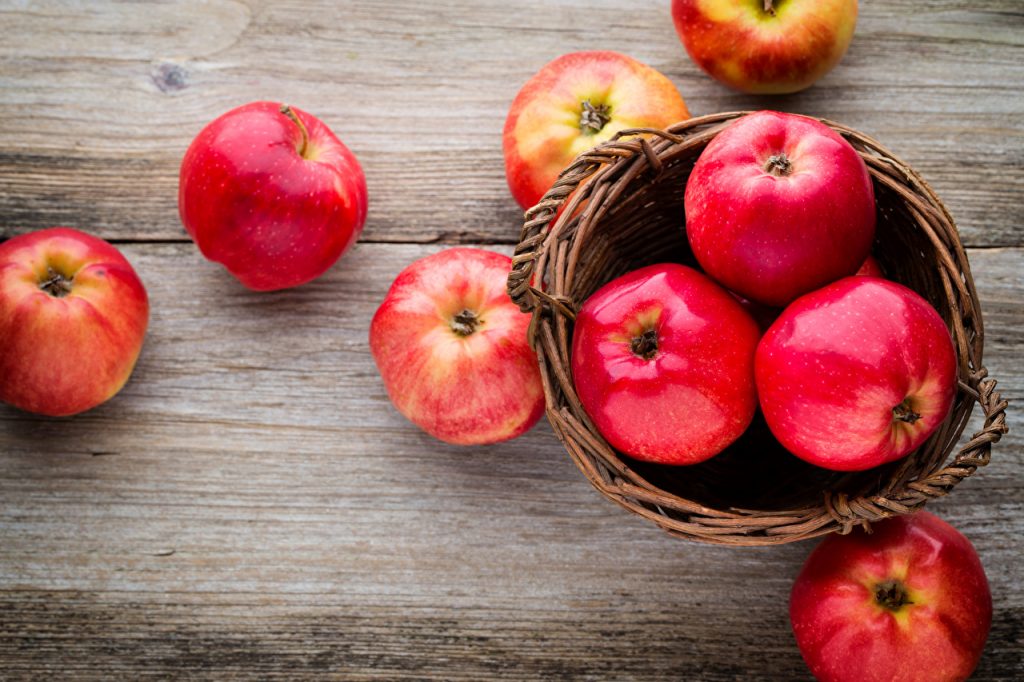
Apple:
Apples are recommended to be eaten daily as they are rich in fiber. A medium-sized apple contains about 5 grams of fiber. This comes from a special type of fiber called pectin. Pectin is a soluble fiber that forms in the stomach in the form of a gel, which helps the food to be easily digested and absorbed.
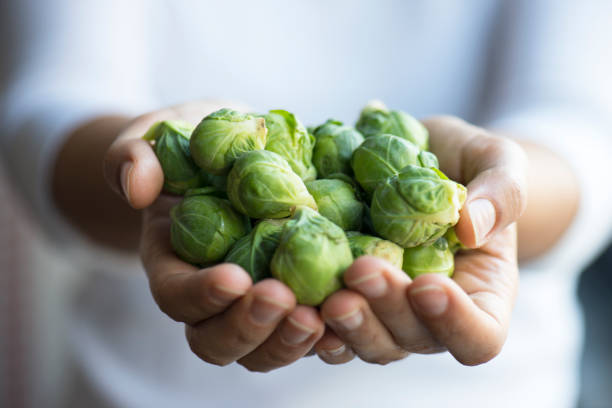
Brussels Sprouts:
Everyone loves Brussels Sprouts. Children especially like them very much. Like vegetables such as Brussels sprouts, cabbage, and broccoli are rich in fiber. It promotes stomach, kidney, and liver health by maintaining proper bowel movements. It works to remove toxins from the body on a regular basis.
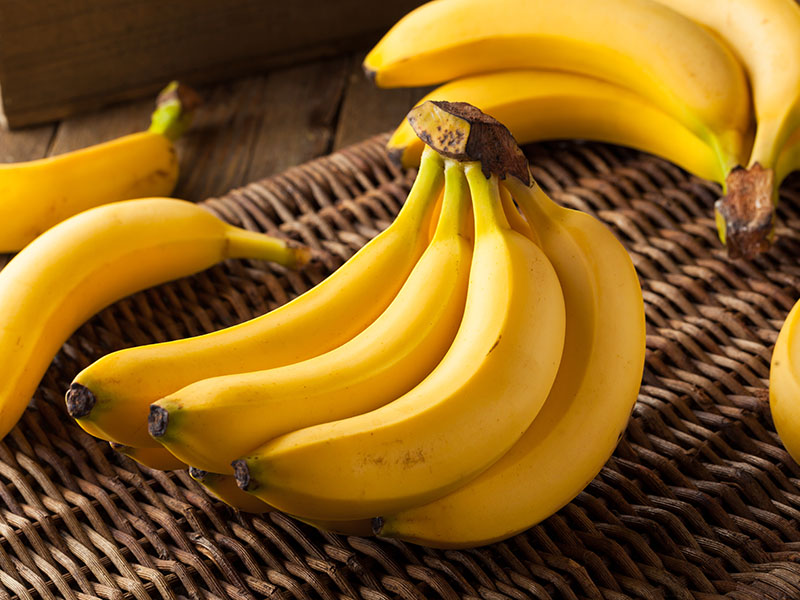
Bananas:
Compared to a ripe banana, a raw and green banana has a much higher amount of resistant starch, which is a type of indigestible carbohydrate that acts like a fiber in a way that improves the digestive system. You get 2.6% fiber from bananas.
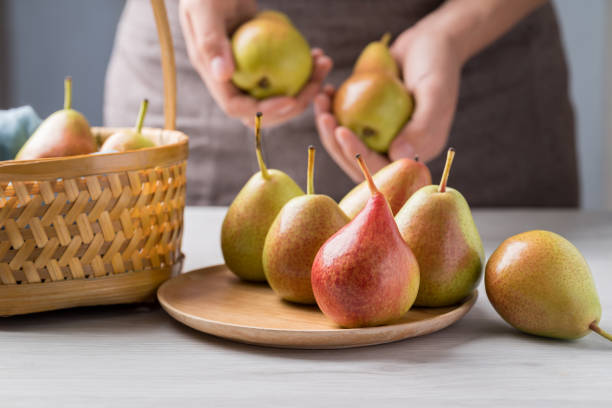
Pear:
If we talk about fruits, then pears have the most fiber. But it is a fruit that is available only according to the season. You can consume it only a few times a year. You get 3.1 grams of fiber in 100 grams of pears.
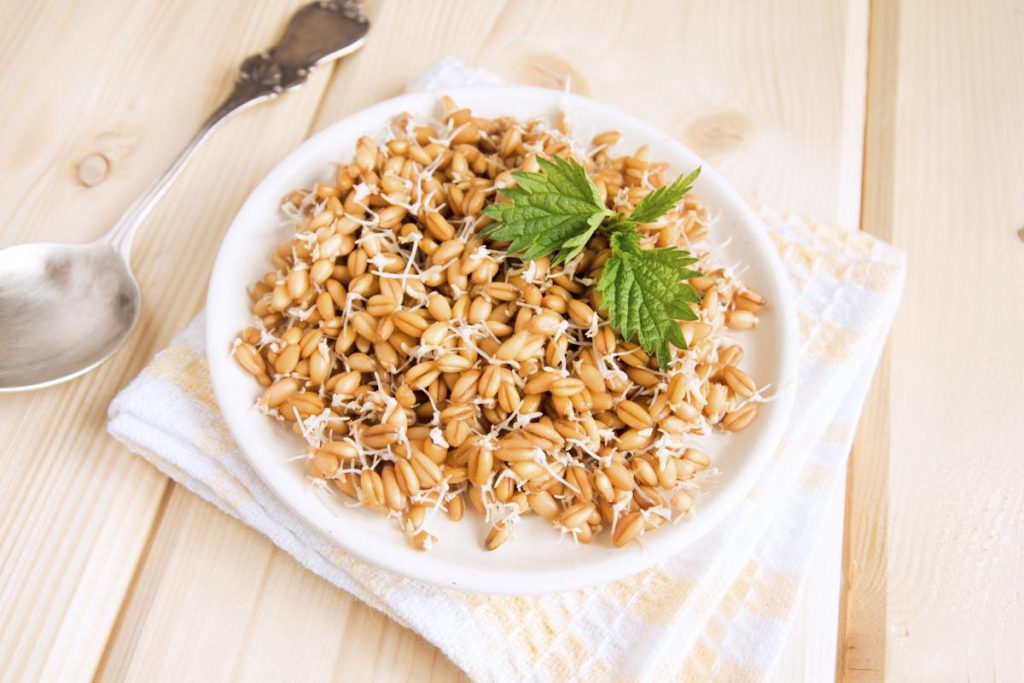
Wheat:
Wheat is used as a staple food in North India. Wheat is rich in fiber content. You can easily take wheat through roti or porridge. While making wheat roti, do not sieve the flour through a sieve because the highest amount of fiber is in the upper part of the wheat, which usually remains in the sieve while sifting the flour. This is the reason that the people of North India are not able to meet the amount of fiber even after making full use of wheat.
Conclusion:
A 7-day high-fiber diet can be a helpful starting point for healthier weight management. By including vegetables, fruits, legumes, whole grains, nuts, and seeds, you can increase fiber intake, support fullness, and build more balanced meals. However, sustainable weight loss is unlikely to come from a single week alone. For lasting results, combine a nutritious diet with regular physical activity, adequate sleep, hydration, and consistent healthy habits. Aim for gradual, sustainable progress rather than rapid weight loss.
FAQs:
Q. Can a high-fiber diet help with weight loss?
A. Yes. Fiber can help you feel fuller for longer, which may make it easier to manage overall calorie intake. Weight loss still depends on your overall eating pattern, activity, and energy balance.
Q. How much fiber should I eat each day?
A. Fiber needs vary by age and sex, but many adults should aim for roughly 25–38 grams per day. Increase fiber gradually and drink enough fluids.
Q. What are the best high-fiber foods for weight loss?
A. Vegetables, whole fruits, beans, lentils, chickpeas, oats, whole grains, chia seeds, flaxseeds, nuts, and seeds are good choices.
Q. Can I eat rice on a high-fiber diet?
A. Yes. You can include rice in appropriate portions. Brown rice and other whole grains generally provide more fiber than white rice.
Q. Can I eat fruit while trying to lose weight?
A. Yes. Whole fruits can be part of a weight-loss diet. Choose whole fruit more often than juice because whole fruit provides fiber and is generally more filling.
Q. Will eating more fiber make me lose weight quickly?
A. Not necessarily. Fiber can support healthy weight management, but it doesn’t guarantee rapid weight loss. Sustainable weight loss is generally preferable to trying to lose a large amount of weight in one week.
Q. What should I drink on a high-fiber diet?
A. Water is the best choice. Staying adequately hydrated is particularly important when increasing fiber intake.
Q. Can a high-fiber diet cause bloating?
A. It can, especially if you suddenly increase your fiber intake. Increase fiber gradually and drink sufficient fluids to help your digestive system adjust.
Q. Can vegetarians follow this 7-day plan?
A. Yes. Lentils, beans, chickpeas, tofu, vegetables, whole grains, nuts, and seeds can provide both fiber and plant-based protein.
Q. Can I continue the diet after 7 days?
A. Yes, the general principles can be continued as part of a balanced long-term eating pattern. However, you don’t need to follow the exact seven-day menu indefinitely.
Q. How much weight can I lose in 7 days?
A. There is no reliable amount that everyone will lose. Changes on the scale during the first week can also reflect water and digestive contents rather than body-fat loss.
Q. Is this diet suitable for everyone?
A. Not necessarily. People with certain medical conditions or specific nutritional requirements may need a customized diet. Consult a healthcare professional or registered dietitian if you’re unsure whether a high-fiber diet is appropriate for you.
Recommended Articles:-
- Know In Detail About Fruitarian Diet Pros And Cons
- Quick And Tasty Low Fat Chicken Recipes For Diet
- Weight Watchers diet overview and a proper guide
- A Proper Guide To 7-Day Anemia Diet Plan
- Diabetic Meal Plan For A Month: Control Diabetic With Diet Plan
- What Is ADHD Compulsive Eating? How Does It Work?
 James
James