
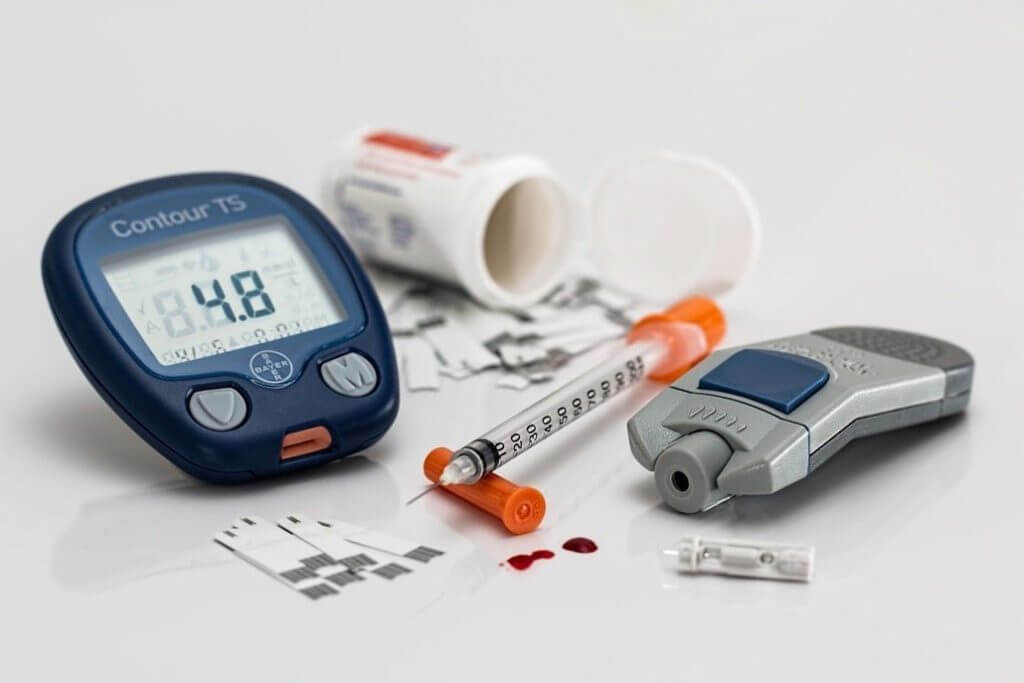
Prediabetes is the condition in which blood sugar levels rise, but not increase. Although this level of sugar can cause a number of unwanted symptoms in the affected body. Prediabetes occurs when your blood glucose level is higher than it should be, but that does not mean you have diabetes. Prediabetes is a pre-diagnosis of diabetes. Diabetes occurs when your body has high levels of blood sugar and insulin levels. So, in this article, see the meaning, symptoms, and ways to diagnose it.
What Is Prediabetes Meaning?
The risks of diabetes are known, but it is important to know about prediabetes because people who are very close to the disease have a chance to avoid it. Prediabetes is a condition when the blood sugar level is close to the danger mark. Doctors say that if prediabetes is detected and treated in time in a patient, then diabetes and its fatal dangers can be avoided. Prediabetes is also known as borderline diabetes. According to the IDF Diabetes Atlas, India has 7.29 crore people with diabetes. 8 crore people are in the prediabetes stage, and sadly, only 10 percent are aware of their condition.
Borderline diabetes is a condition that increases the risk of type 2 diabetes. According to the American Diabetes Association, 10 to 23 percent of people with prediabetes succumb to type 2 diabetes within 5 years.

Symptoms Of Prediabetes:
A person has many problems in prediabetes. Prediabetes is considered to be a symptom or cause before diabetes. In prediabetes, the patient should take care of himself and keep getting regular checkups. Prediabetes patients are also at increased risk of developing heart disease along with diabetes.
Feeling Tired:
If you feel tired after working all day, then there is no problem, but when you feel tired during work or throughout the day, these can be symptoms of prediabetes. This may be due to sugar.
The sugar may be in your bloodstream, but not going into the cells where it should go and replenish energy properly in the body. Stay lazy all day, you feel tired only after working less, or if you feel tired even after sleeping all night, then get your sugar test done.
Excessive Hair Fall:
Along with factors like stress, prescription drugs, and genetics, hair also falls for many other reasons. Insulin resistance is one of them. Insulin resistance is a sign of prediabetes and type 2 diabetes. If your hair is falling excessively, then you need to get your blood sugar level checked. Blood sugar levels rise due to insulin resistance, which means that sugar is not transferring properly to the cells.
Itchy Or Red Rashes On The Skin:
According to studies, any patches or rashes on red, brown, or yellow skin, called necrobiosis lipidic, may be symptoms of prediabetes. When there are more dark patches or velvety patches on the skin, it indicates that there is too much insulin in your blood. In such a situation, please contact the doctor.
Frequent Urination:
When the blood sugar level increases in the body, frequent urination starts. Sugar gathered in the body starts coming out of the body through urine. Especially, when you drink more water, you have to go for frequent urination. You ignore this because you think that this is happening because you are drinking more water. But you have to keep an eye on your health because when you urinate frequently, your body loses more water than you drink. Keep an eye on color, smell, and your urinary cycle. If you feel it is unnatural, see a doctor immediately.
Skin Blemishes:
People who have prediabetes may also have skin problems. In this type of problem, dark and dark spots are formed on the skin in different parts of the body.
Criteria For Prediabetes:
Fasting blood sugar level: 100–125 mg / dL.
Glucose tolerance level: 140–199 mg / dL
A1C: 5.0-6.4 %
Why Is Prediabetes Dangerous?
It is reported to develop into diabetes in the future. Prediabetic people are equally at risk of developing diabetes complications.
Causes Of Prediabetes:
Prediabetes is called blood sugar that precedes type-2 diabetes. But its symptoms are not seen in prediabetes patients. This type of diabetes means that the person has diabetes, but the level of blood sugar in his blood is not so high that it can be detected during the test. So, let’s see the causes of Prediabetes meaning
- Obesity, especially abdominal obesity
- High blood pressure
- High blood fat or triglycerides
- Not exercising enough
- Having a family history of type 2 diabetes
- Increased stress level
- Smoking or drinking too much alcohol
- Regularly consuming high-sugar drinks

Diet To Prevent Prediabetes:
- If you smoke, stop it completely. Smoking cigarettes increases a person’s sugar level of a person suddenly, and if a diabetes patient smokes, then there is an immediate jump in their sugar level, which causes great harm to that patient.
- Weight must be controlled. If you reduce your weight by five to 10 percent, it can have a very positive effect on your health.
- Your food should be healthy. The presence of excess sodium in the body causes the accumulation of water, which increases the volume of blood, due to which blood pressure increases. Reduce the amount of sodium in food; people usually eat 10 grams of salt in a day. It should be reduced to 3 grams. Avoid salty things like namkeen, pickles, and papad altogether.
- If you have high cholesterol or high blood pressure, then keep it under control.
Increase the potassium content in food. Do not use canned materials. Also, reduce the amount of saturated fat. Apart from this, balance the amount of calcium and magnesium in the food. Increase intake of fiber-rich items like fruit peels, greens/bran flour, etc. - Exercise is also very important to beat prediabetes; you must make a rule of exercising for at least 30 minutes five days a week. You can start with 10 or 15 minutes. Extremely fast walking for 30 minutes is the best exercise. Or incorporate yoga/meditation/pranayama into your regular routine. But before doing so, consult your doctor.
FAQs:
Q. What is the best diet to prevent prediabetes?
A. A balanced diet rich in vegetables, whole fruits, legumes, whole grains, lean proteins, and healthy fats can help support healthy blood sugar levels. Limiting added sugars and highly processed foods is also beneficial.
Q. What foods should I eat to lower my risk of prediabetes?
A. Choose non-starchy vegetables, beans and lentils, whole grains, nuts and seeds, fish or lean proteins, and whole fruits. Foods rich in fiber can also help with fullness and overall blood-sugar management.
Q. Should I stop eating carbohydrates to prevent prediabetes?
A. No. Carbohydrates can be part of a healthy diet. Focus on higher-fiber carbohydrate sources and appropriate portions rather than eliminating carbohydrates completely.
Q. Can I eat rice if I want to prevent prediabetes?
A. Yes. Pay attention to portion size and consider higher-fiber options such as brown rice or other whole grains. Pairing rice with vegetables and protein can make the meal more balanced.
Q. Should I avoid sugar completely?
A. You don’t necessarily need to eliminate all sugar, but it’s wise to limit foods and drinks high in added sugar, particularly sugary beverages, sweets, and desserts.
Q. Is fruit good for preventing prediabetes?
A. Yes. Whole fruit can be part of a healthy eating pattern. Choose whole fruit more often than juice because whole fruit contains fiber and is generally more filling.
Q. Does eating more fiber help prevent prediabetes?
A. A fiber-rich diet can support healthy blood glucose levels, improve fullness, and make it easier to maintain a healthy weight. Increase fiber gradually and drink enough fluids.
Q. Can weight loss reduce the risk of prediabetes?
A. For people who have overweight or obesity, even modest, sustainable weight loss can help reduce the risk of developing type 2 diabetes. Individual goals should be discussed with a healthcare professional.
Q. Can I drink tea or coffee while following a prediabetes-prevention diet?
A. Unsweetened tea and coffee can generally fit into a healthy eating pattern. Limit added sugar, syrups, and other high-calorie additions.
Q. Is diet alone enough to prevent prediabetes?
A. Diet is important, but regular physical activity, maintaining a healthy weight, getting adequate sleep, and other lifestyle factors also contribute to reducing the risk.
Q. How often should I get tested for prediabetes?
A. Testing frequency depends on your age, risk factors, previous results, and your healthcare provider’s recommendations. Ask your healthcare professional about an appropriate schedule for A1C or blood-glucose testing.
Q. Can prediabetes be prevented in everyone?
A. Not always. Some risk factors, such as genetics and age, cannot be changed. However, healthy eating, physical activity, and maintaining a healthy weight can reduce risk for many people.
Related Articles:-
- Vitamin A Fruits And Vegetables To Add In Your Diet Chart
- Buttermilk Benefits Weight Loss | Buttermilk Recipes
- 5 Foods to Eat to Boost Your Mental Health
- 14 Symptoms & Prevention of Vitamin D Deficiency!
- 7 Symptoms Of Thyroid And Foods To Include In Diet!
- 10 Symptoms & Prevention of Vitamin C Deficiency!
- 13 Signs That Indicates High Sugar Count!
- 9 Foods To Ease Arthritis Pain
 Amrita