

Liquid diet plan has become a trend nowadays as a new way to detoxify or clean our body to lose weight and become healthy. But not all liquid foods are healthy, and many can actually be more harmful than beneficial. Insufficient calorie or nutrient intake can cause fatigue, dizziness and nausea, as well as dissatisfaction with hunger. However, you can plan for a healthy liquid diet to help with weight loss and improve your overall health. Now let’s check out both the liquid diet plan benefits and liquid diet plan Side effects in this article below:
What Is a Liquid Diet?
A liquid diet plan is a structured eating approach where most or all foods consumed are in liquid form. It is often used for medical reasons, short-term weight management, digestive rest, or recovery after surgery. While it can be helpful in specific situations, it should be followed carefully to avoid nutritional deficiencies or health risks.
A liquid diet replaces solid foods with liquids that are easy to digest and absorb. Depending on the type, it may include:
Water
Fruit or vegetable juices
Broths and soups
Milk or plant-based milk
Smoothies
Nutritional shakes
Gelatin or clear beverages
Some liquid diets provide full nutrition, while others are very low in calories and meant only for short-term use.

Types of Liquid Diet Plans:
This guide explains everything you need to know — including types of liquid diets, benefits, risks, sample meal plans, and safety tips.
1. Clear Liquid Diet:
This is the most restrictive type and is usually prescribed for medical procedures or digestive rest.
Allowed foods:
Clear broths (vegetable, chicken)
Water
Clear fruit juices without pulp (apple, white grape)
Tea or black coffee (no milk or cream)
Gelatin
Electrolyte drinks
Purpose:
Before surgery or colonoscopy
Digestive illness recovery
Short-term gut rest
Duration: Typically 1–3 days only.
2. Full Liquid Diet
Includes all clear liquids plus thicker, more nutritious liquids.
Allowed foods:
Milk and plant-based milk
Smooth soups (blended)
Yogurt drinks
Protein shakes
Fruit smoothies
Porridge or blended cereals
Ice cream (sometimes)
Purpose:
Transition after surgery
Dental procedures
Difficulty chewing or swallowing
Duration: Short to moderate, depending on medical guidance.
3. Meal Replacement Liquid Diet
Used mainly for weight loss or convenience.
Includes:
Commercial nutrition shakes
Balanced protein smoothies
Calorie-controlled liquid meals
These are designed to provide vitamins, minerals, protein, and calories.
4. Detox or Juice Liquid Diet
Popular for “cleansing” or short-term health resets.
Includes:
Fresh vegetable juices
Fruit juices
Herbal drinks
Smoothies
Note: Scientific evidence for detox benefits is limited. The body naturally detoxifies through the liver and kidneys.

Liquid Diet Plan Benefits:
Here is some of the liquid diet plan benefits shared below. Check out the benefits here:
Liquid Diet Plan Benefits For Surgery Patients:
For some medical treatments the patient needs to be under observation for 72 hours and during this period the patient can’t be given solid foods; in such cases, liquid diet is most preferable.
Liquid Diet Plan Benefits To Treat Obesity:
One of the most visible problems of present days is obesity. This problem can be solved with the help of a proper liquid diet. It provides control of the body’s calorie intake while providing the necessary energy. People with obesity have the hardest time to get used to the liquid diet plans as it requires adequate time for the body to change the regularity of food.
Liquid Diet Plan Benefits for Weight Loss:
Whenever it comes to losing weight, many people thinks of starting liquid diet plan. That’s because, the liquid diet plan is especially low on carbs and because of the sufficient amount of fluid and water present in the plan, and the body releases some extra water and burns essential fat with our daily activities.
The liquid diet plan for quick weight loss is considered to be one of the most effective ways. So, if you are planning to lose too much weight at a time, switching to a liquid diet is a great idea.
Liquid Diet Plan Benefits For Quick Digestion Process:
In the liquid diet plan, all you consume is fluids only, which help in quick digestion and keep you away from stomach related diseases such as constipation.
Liquid Diet Plan Benefits for Improving Skin Quality:
The liquid diet plan helps in keeping the stomach, so it helps in improving your skin quality as a consequence. When your stomach is clear, it reflects on your face and skin.
Liquid Diet Plan Benefits For Those Who Have a Toothache:
As in case of liquid diet plan all we consume is only liquid or fluid, so we do not have to chew the food. Thus, the liquid diet plan helps the toothache patients as they do not have to chew their food with sore tooth.
Liquid Diet Plan Benefits For Mouth Cancer Patients
As the foods, you consume in the liquid diet plan are all fluid it does not create any problem for mouth cancer patients as they never have to chew anything.

Liquid Diet Side Effects:
Here is some liquid diet side effects listed below:
Calorie Shortage:
Our body requires a specific measure of calories. To meet the caloric necessity, an individual ought to devour strong calories all the time or regular schedule. This is the motivation behind why a fluid eating routine is said to be the consequence of calorie shortage and it is one of the fundamental reasons why an individual may not be set up for his calorie deficiency because of low calorie utilization, which does not serve the body.
Serious Migraine:
Because of a fluid eating regimen, there might be extreme cerebral pain which can be downright awful for someone. Individuals need to work and when cerebral pains occur; there is certainly a boundary in fixation and spotlight on work. Because of a fluid eating routine, serious brow torment can likewise happen. In the event that such manifestations happen, you should quit keeping such an eating regimen.
Digestive Problems Once You Get Back To Solid Food:
When the body is habituated in the fluid eating regimen, at that point there is some issue returning to solid sustenance. In such a case, the fluid eating routine ought to be changed over into the principal semi-fluid eating routine and bit by bit got strong nourishment.
Low sustenance and vitality:
Liquid lessen the admission of fiber in the body, which are a decent wellspring of vitality. They likewise have a high nutritious esteem that you bring down on the fluid eating routine.
Organ Damage:
The extreme eating regimen can prompt loss of stomach and liver, and an excess of fluid eating routine can block the best possible working of the kidney.
Faintness:
Weakness of entire body is one of the fundamental reactions of a fluid eating regimen. In the event that an individual isn’t eating anything with the exception of liquid for the duration of the day, one individual should confront some major issues of shortcoming. Pursue a fluid eating regimen plan for some weight reduction. It very well may be a reason for shortcoming.
Impacts on the Immune System:
Since the body is frail and low on vitality, it is increasingly touchy to issues in the insusceptible framework. It is simple for the body to come down with different sicknesses.
Terrible Breath:
No one loves awful breath if you are on the fluid eating routine, at that point awful breath in unavoidable. One terrible breath can’t go on without serious consequences and it is one of the significant symptoms of the alleged “sound fluid eating routine”.
Summary:
A healthy liquid diet should meet your daily caloric needs, which vary greatly depending on your gender, age, height, weight, medical history, and goals. It is more important to concentrate on eating a nutritious, plant-based diet with restraint in everything.
Who Should Avoid Liquid Diets?
Consult a healthcare professional if you are:
Pregnant or breastfeeding
Diabetic
Underweight
Taking medications requiring food
Living with chronic illness
A teenager or a growing child

Sample 1-Day Full Liquid Diet Plan
Morning:
Warm water with lemon
Protein smoothie (banana, yogurt, milk, nuts)
Mid-morning:
Fresh vegetable juice
Yogurt drink
Lunch:
Blended vegetable soup
Protein shake
Afternoon:
Fruit smoothie
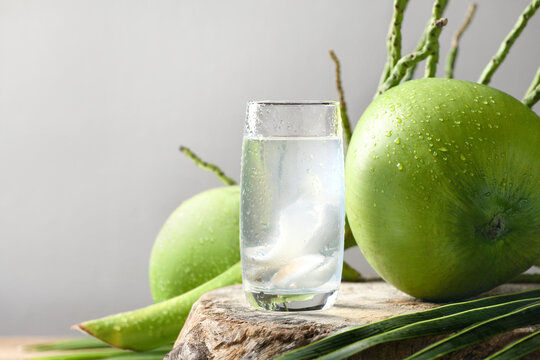
Coconut water
Dinner:
Creamy lentil soup (fully blended)
Milk or plant-based milk
Before bed:
Herbal tea
How Long Should You Follow a Liquid Diet?
Clear liquid diet: 1–3 days
Full liquid diet: Several days to a few weeks (medical guidance)
Weight loss liquid diet: Short-term unless supervised
Long-term use requires professional monitoring to prevent deficiencies.
Tips for Following a Liquid Diet Safely
- Include protein sources (yogurt, protein powder, milk)
- Drink enough calories to avoid weakness
- Choose low-sugar options
- Stay hydrated
- Add fiber supplements if approved
- Transition gradually back to solid foods
- Consult a doctor for plans longer than a few days
Transitioning Back to Solid Foods:
After a liquid diet, reintroduce foods slowly:
Soft foods (mashed vegetables, yogurt, porridge)
Semi-solid foods (rice, eggs, soft fruits)
Regular balanced meals
This helps prevent digestive discomfort.
Final Thoughts:
A liquid diet plan can be useful for medical recovery, digestive rest, or short-term weight management. However, it is not a long-term solution for most people and should be followed with caution. Balanced nutrition, proper supervision, and gradual transitions are essential for maintaining health and preventing complications.
When used correctly and for the right reasons, a liquid diet can support healing and provide temporary relief for the digestive system — but sustainability and nutritional balance should always be the priority.
FAQs:
Q. What is the main purpose of a liquid diet?
A. A liquid diet is usually used to give the digestive system a rest, prepare for medical procedures, aid recovery after surgery, or support short-term weight loss. Some people also use it when they have difficulty chewing or swallowing.
Q. Can you lose weight on a liquid diet?
A. Yes, many liquid diets are low in calories, which can lead to quick weight loss. However, the weight loss may be temporary if healthy eating habits are not maintained afterward.
Q. Will I feel hungry on a liquid diet?
A. Possibly. Liquid meals digest faster than solid foods, which may lead to hunger. Including protein-rich liquids and drinking enough fluids can help reduce hunger.
Q. Can I exercise while on a liquid diet?
A. Light activity like walking is usually fine. However, intense workouts may be difficult because calorie intake is often low. Listen to your body and avoid heavy exercise unless your energy levels are stable.
Q. Are smoothies allowed on a liquid diet?
A. Yes, especially in a full liquid diet. Smoothies made with fruits, yogurt, milk, or protein powder provide nutrients and help maintain energy levels.
Q. Is a liquid diet nutritionally complete?
A. Some medically designed liquid meal replacements are balanced. But many homemade or juice-only liquid diets may lack enough protein, fiber, healthy fats, and vitamins.
Q. Can a liquid diet help detox the body?
A. Your liver and kidneys naturally detox your body. Liquid diets may support hydration and digestion, but there is limited scientific evidence that they “detox” the body.
Q. Can people with diabetes follow a liquid diet?
A. They should only do so under medical supervision. Liquid diets — especially juice-based ones — can cause rapid blood sugar changes.