
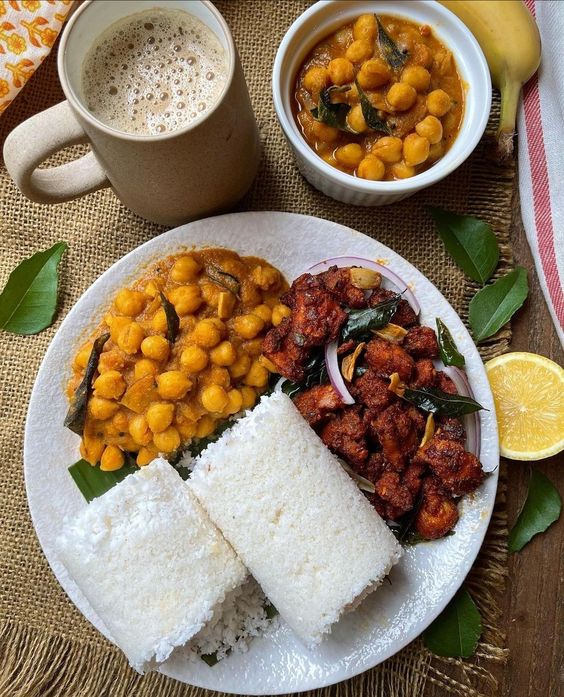
Obesity is a growing problem among the Indian population. With the easy availability of processed foods in India as well, obesity and obesity-related chronic diseases such as heart disease and diabetes have been on the rise in recent years. The Kerala diet is the perfect diet for those who are looking for a way to lose weight without avoiding Malayali food. So, see below the Traditional Kerala Diet Plan For Fat Loss.
What Is A Traditional Kerala Diet Plan For Fat Loss?
Different diets exist for weight loss. The truth is that the goal of losing fat is not unachievable if you have a healthy diet, lifestyle, and exercise. Diet, i.e. food control, plays an important role in weight loss. Different types of diets can help with this.
Obesity is a problem that bothers most people. As it can lead to many unhealthy conditions, all health-conscious people are looking for various ways to overcome this crisis.
There are many ways for you to lose weight, but only one is needed. That is determination. Anyone can control their obesity with proper exercise and a healthy diet plan. In this article, you can read how to follow a healthy Indian diet that helps you lose weight.
Everyone has different types of diets. It must be selected and followed. The Kerala diet is among the different types of diets for weight loss. The traditional Kerala diet plan for fat loss is a diet that can be tried by those who insist that Malayali dishes cannot be avoided.
Why Choose a Traditional Kerala Diet Plan For Fat Loss?
Kerala cuisine naturally includes:
- High-fiber vegetables
- Lean seafood
- Fermented foods
- Moderate healthy fats
- Spices that boost metabolism
When adjusted for portion size and cooking methods, a Traditional Kerala Diet Plan For Fat Loss becomes both practical and effective.
Core Principles of Traditional Kerala Diet Plan For Fat Loss
1. Portion Control Over Elimination
Instead of eliminating rice or coconut entirely, reduce portion sizes and balance them with protein and fiber.
2. Prioritize Protein
Protein helps:
Reduce cravings
Preserve muscle mass
Improve satiety
Increase metabolism
Traditional protein sources:
Fish curry
Boiled eggs
Sprouted green gram (cherupayar)
Dal
Curd
3. Smart Use of Coconut
Coconut is central to Kerala cuisine.
While coconut contains healthy fats (MCTs), excessive use may increase calorie intake. For fat loss:
Use grated coconut in smaller amounts
Prefer coconut oil in measured teaspoons
Avoid deep-fried coconut snacks frequently
Moderation is key in a Traditional Kerala Diet Plan For Fat Loss.
4. Replace White Rice Strategically
Instead of eliminating rice:
Reduce portion size
Replace part of it with red rice (Kerala matta rice)
Include millets occasionally
Kerala matta rice is higher in fiber and more filling.
5. Focus on Traditional Cooking Methods
Prefer:
Steaming
Boiling
Light sautéing
Grilling
Limit:
Deep frying
Heavy coconut milk gravies daily
Benefits of the Traditional Kerala Diet Plan For Fat Loss:
1. Natural Metabolism Boost
Spices like:
Black pepper
Turmeric
Ginger
Curry leaves
help improve digestion and metabolic efficiency.
2. Improved Gut Health
Fermented foods like:
Idli
Dosa
Buttermilk
support healthy gut bacteria.
3. Reduced Cravings
Balanced meals reduce blood sugar spikes, preventing hunger crashes.
4. Sustainable Weight Loss
Unlike extreme diets, a Traditional Kerala Diet Plan For Fat Loss is culturally aligned and easier to maintain long term.
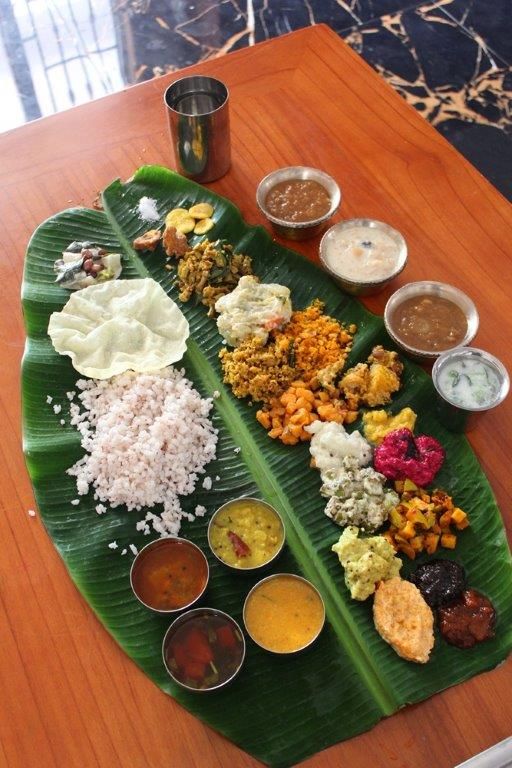
Sample Traditional Kerala Diet Plan For Fat Loss (7-Day Outline)
Below is a practical weekly structure.
Early Morning
Warm water with lemon
ORJeera water
Optional: 5 soaked almonds
Breakfast Options
Choose one daily:
2 Idlis + sambar (less coconut chutney)
Vegetable dosa (minimal oil)
Puttu + kadala curry (small portion)
Appam + vegetable stew (light coconut milk)
Boiled eggs + red rice puttu
Add 1 fruit (papaya or banana).
Mid-Morning Snack
Coconut water
Guava
Papaya
Buttermilk
Lunch (Balanced Kerala Meal)
1 small portion Kerala matta rice
Fish curry (grilled or lightly cooked) OR dal
1 vegetable thoran (less coconut)
1 leafy green dish
Cucumber salad
Buttermilk
Avoid:
Papadam daily
Fried fish regularly
Evening Snack
Healthy options:
Roasted peanuts
Boiled green gram
Sprouts
Black tea without sugar
Avoid banana chips during weight loss phase.
Dinner (Light & Early):
Keep dinner lighter than lunch:
Vegetable soup + egg
2 small chapatis + vegetable curry
Green gram curry
Light fish curry (no rice)
Finish dinner by 8 PM.
Foods to Include in a Traditional Kerala Diet Plan For Fat Loss
- Kerala matta rice (controlled portion)
- Fresh fish (sardines, mackerel)
- Curry leaves
- Drumstick (moringa)
- Bitter gourd
- Snake gourd
- Ash gourd
- Buttermilk
- Sprouted legumes
Foods to Limit
- Banana chips
- Deep-fried fish daily
- Sugary payasam
- Bakery snacks
- Excess coconut milk gravies
Calorie Control in Traditional Kerala Diet Plan For Fat Loss
Average calorie target for fat loss:
- Women: 1200–1600 kcal/day
- Men: 1500–1900 kcal/day
Adjust according to activity level.
Role of Physical Activity
Combine the diet with:
30–45 minutes brisk walking
Yoga
Strength training 3 times weekly
Diet alone is not enough for optimal fat loss.
Hydration Guidelines
2.5–3 liters water daily
Herbal teas
Buttermilk
Avoid sugary drinks.
Common Mistakes in Traditional Kerala Diet Plan For Fat Loss
Completely removing rice
Overeating coconut
Skipping breakfast
Excess oil in curries
Late-night heavy meals
Who Can Follow This Plan?
Suitable for:
Adults wanting gradual fat loss
Individuals with mild insulin resistance
Those preferring traditional home food
Consult a doctor if you have:
Diabetes
Thyroid disorders
Kidney disease
Do not eat flour and bakery products. No processed foods. Avoid fried foods, chocolates, and sweets. Don’t skip breakfast like this. Go to bed early and wake up early. Eat dinner three hours before going to bed. Probably at 7. It is important to drink plenty of water. Replace unhealthy snacks with healthy ones like nuts. Keep only the healthy ones in the fridge. This is good for avoiding unnecessary urges. These are all basic principles to follow with any weight loss diet.
FAQs:
Q. Can I eat Kerala matta rice in a Traditional Kerala Diet Plan for Fat Loss?
A. Yes. Control portion size (1 small bowl) and balance with protein and vegetables.
Q. Is coconut bad for fat loss?
A. No. Coconut is healthy but calorie-dense. Use in moderation.
Q. Can I eat puttu while trying to lose fat?
A. Yes, but keep the portion small and pair with protein like kadala curry or egg.
Q. How often can I eat fish?
A. 3–4 times per week is ideal, preferably grilled or lightly cooked.
Q. Should I avoid banana chips completely?
A. During active fat loss, avoid or limit to rare occasions.
Q. Is appam allowed in this diet plan?
A. Yes, but control portion and avoid heavy coconut milk daily.
Q. How long does it take to see results?
Healthy fat loss is typically 0.5–1 kg per week.
Q. Can vegetarians follow a Traditional Kerala Diet Plan For Fat Loss?
A. Absolutely. Focus on green gram, dal, sprouts, paneer, and curd.
Q. Is dinner without rice necessary?
A. Not mandatory, but reducing carbs at night may help fat loss.
Q. Can this diet help with belly fat?
A. Yes. When combined with calorie control and exercise, it reduces overall body fat, including abdominal fat.
Conclusion:
A Traditional Kerala Diet Plan For Fat Loss proves that you don’t need foreign superfoods or extreme dieting to lose weight. By:
Controlling portions
Reducing fried foods
Moderating coconut use
Increasing protein
Eating balanced traditional meals
you can achieve steady and sustainable fat loss.
The beauty of this approach is its simplicity and cultural familiarity. It respects traditional flavors while aligning with modern nutrition science.
Consistency, mindful eating, and regular physical activity are the real keys to success. Follow the principles patiently, and your results will follow naturally.