

Excessive sweating in toddlers can worry many parents. If your child’s hands are often wet—even in cool weather—you may be wondering whether it is normal or a sign of an underlying issue. When it comes to managing this condition naturally, focusing on the Diet For 3 Year Old Boy’s Excessive Sweaty Palms can play an important role.
While sweating helps regulate body temperature, excessive sweating—especially in the palms—may indicate a condition called hyperhidrosis. In young children, this condition can sometimes be linked to diet, hydration, stress, or metabolic factors. In this comprehensive guide, we will explore the causes, nutritional strategies, and the best foods to include in a Diet For 3 Year Old Boy’s Excessive Sweaty Palms.
What Is Hyperhidrosis?
Hyperhidrosis is a medical condition characterized by excessive sweating beyond what the body needs to regulate temperature. Even during winter or while resting, children with hyperhidrosis may experience sweaty palms and soles.
Types of Hyperhidrosis
Primary Hyperhidrosis:
- No identifiable medical cause
- Often affects palms, soles, and underarms
- Can begin in early childhood
Secondary Hyperhidrosis
Caused by an underlying condition
May be linked to:
- Diabetes
- Hyperthyroidism
- Low blood sugar
- Infections
- Certain medications
If your 3-year-old boy frequently experiences sweaty palms in all seasons, consulting a pediatrician is important. However, diet adjustments can significantly help manage symptoms.
Why Focus on Diet For 3 Year Old Boy’s Excessive Sweaty Palms?
Diet directly affects metabolism, hormone balance, and nervous system function. Certain foods may trigger sweating, while others help regulate body temperature and calm overactive sweat glands.
A balanced and nutrient-rich Diet For 3 Year Old Boy’s Excessive Sweaty Palms can:
- Support nervous system health
- Maintain stable blood sugar levels
- Prevent overheating
- Improve digestion
- Strengthen immunity
Let’s explore the best dietary additions.
Best Foods To Include In Diet For 3 Year Old Boy’s Excessive Sweaty Palms
1. Water – The Foundation of Temperature Control

Hydration is essential for regulating body temperature. Dehydration can cause the body to overcompensate and trigger sweating.
Benefits:
- Stabilizes metabolism
- Prevents overheating
- Maintains electrolyte balance
How Much Water?
A 3-year-old typically needs about 4–5 cups of fluids daily, including water and milk.
Water is one of the most important components of a proper Diet For 3 Year Old Boy’s Excessive Sweaty Palms.
2. Fruits and Vegetables – Natural Cooling Foods
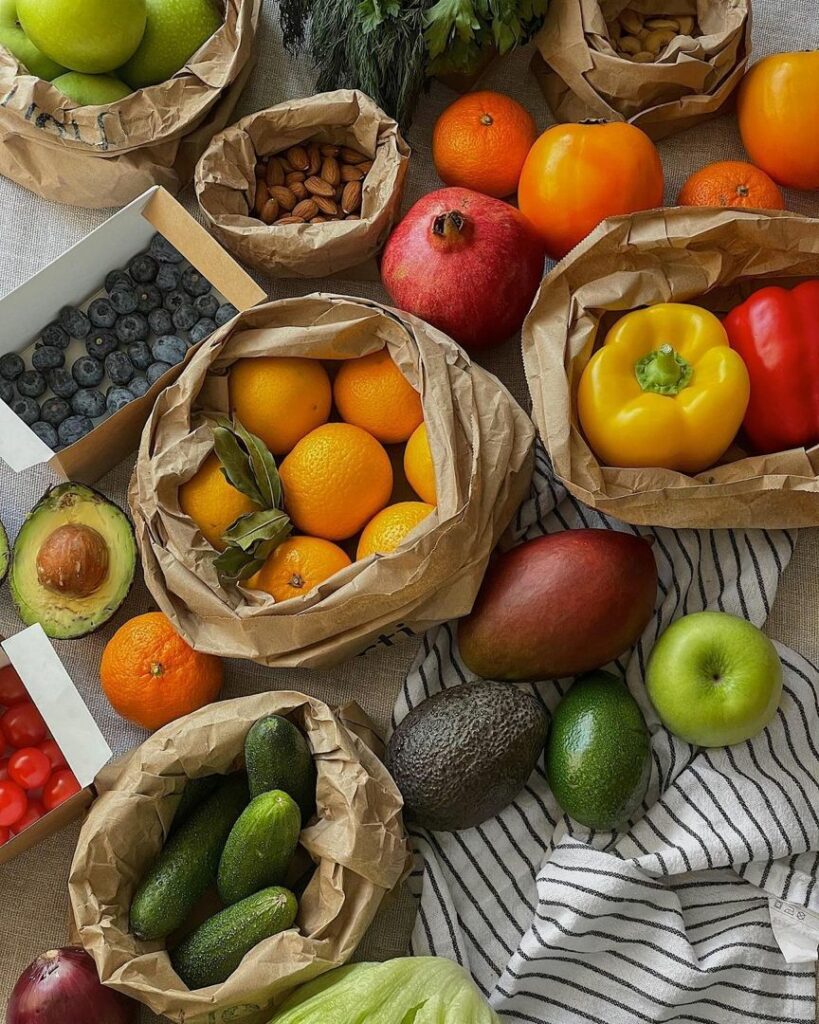
Fresh fruits and vegetables are rich in vitamins, minerals, fiber, and antioxidants.
Best Choices:
- Cucumber
- Watermelon
- Oranges
- Spinach
- Carrots
- Bottle gourd
Why They Help:
- Improve digestion
- Cool the body naturally
- Provide magnesium and potassium
- Support nervous system balance
Including seasonal fruits and vegetables is essential in a Diet For 3 Year Old Boy’s Excessive Sweaty Palms.
3. Dairy Products – Calcium & Protein Support

Dairy products provide calcium, protein, and vitamin D, which support overall development.
Healthy Dairy Options:
- Milk
- Yogurt (curd)
- Paneer (cottage cheese)
- Homemade buttermilk
Benefits:
- Strengthens bones
- Supports nerve function
- Helps regulate muscle activity
Avoid sugary flavored milk products. Stick to natural options when planning a Diet For 3 Year Old Boy’s Excessive Sweaty Palms.
4. Olive Oil – Healthy Fats for Hormone Balance
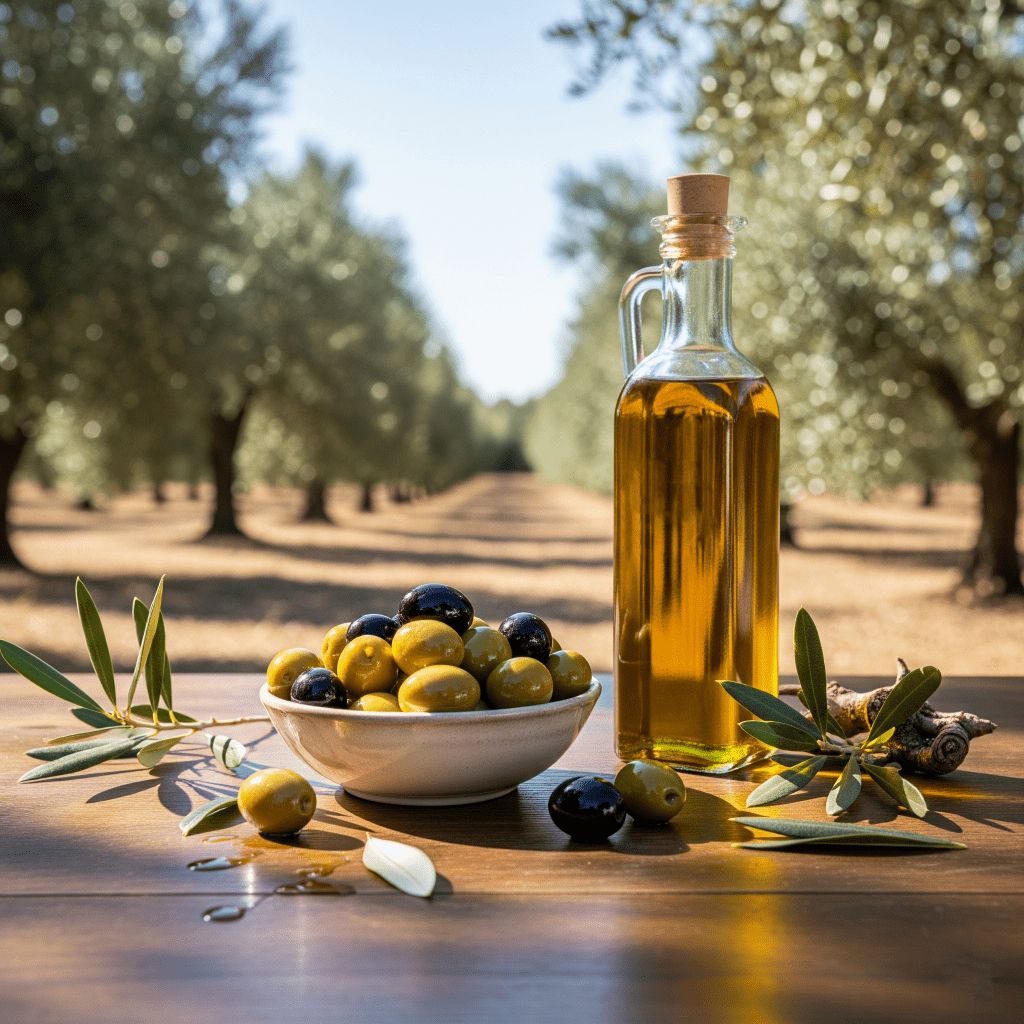
Extra virgin olive oil contains healthy monounsaturated fats and antioxidants.
Benefits:
- Improves metabolism
- Reduces inflammation
- Supports hormone regulation
Use small amounts in cooking or drizzle over vegetables. Healthy fats are beneficial in a well-balanced Diet For 3 Year Old Boy’s Excessive Sweaty Palms.
5. Almonds – Rich in Vitamin E & Magnesium
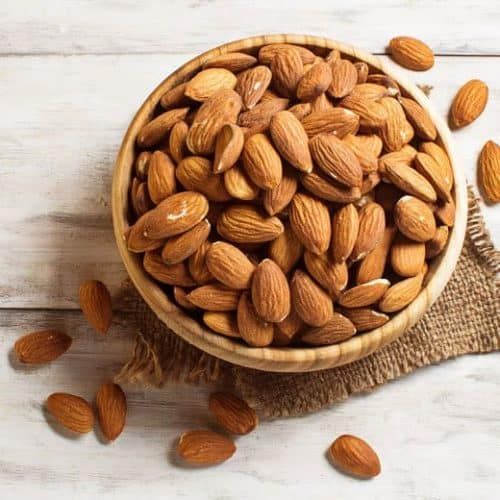
Almonds are nutrient-dense and beneficial for growing children.
Why Almonds Help:
Contains magnesium (supports nerve function)
Rich in vitamin E
Improve brain development
For a 3-year-old, soak 2–3 almonds overnight, peel, and crush before serving to prevent choking.
Almonds can be a valuable addition to a Diet For 3 Year Old Boy’s Excessive Sweaty Palms.
Foods To Avoid For Excessive Sweaty Palms
When planning the right Diet For 3 Year Old Boy’s Excessive Sweaty Palms, it is equally important to avoid triggers:
- Spicy foods
- Processed snacks
- Sugary drinks
- Excess chocolate
- Caffeinated products (avoid completely)
These can overstimulate sweat glands and worsen symptoms.

Sample Meal Plan For 3 Year Old Boy With Sweaty Palms:
Breakfast:
- Warm milk
- Oatmeal with crushed almonds
- Banana slices
Mid-Morning Snack:
- Cucumber & carrot sticks
- Coconut water
Lunch:
- Rice or chapati
- Mixed vegetable curry
- Yogurt
Evening Snack:
Fruit bowl (watermelon/orange)
Dinner:
- Light khichdi or vegetable soup
- Small paneer cubes
This balanced routine supports a healthy Diet For 3 Year Old Boy’s Excessive Sweaty Palms.
When To See A Doctor
Consult a pediatrician if:
- Sweating occurs during sleep
- There is weight loss
- The child seems fatigued
- Palms are sweaty with a rapid heartbeat
- Symptoms worsen suddenly
Diet helps manage symptoms, but a medical evaluation ensures there is no underlying condition.
FAQs:
Q. Is excessive sweating of the palms normal in a 3-year-old boy?
A. Mild sweating can be normal, especially during play. However, constant sweating in all seasons may require medical advice and dietary adjustments.
Q. Can diet really help reduce sweaty palms?
A. Yes. A balanced Diet For 3 Year Old Boy’s Excessive Sweaty Palms can regulate metabolism, stabilize blood sugar, and reduce excessive sweating triggers.
Q. Should I stop giving dairy if my child has sweaty palms?
A. No, unless your pediatrician advises otherwise. Natural dairy products support nerve and bone health.
Q. Are almonds safe for toddlers?
A. Yes, but always serve soaked and crushed almonds to avoid choking hazards.
Q. Can dehydration cause sweaty palms?
A. Yes. Dehydration may trigger the body’s temperature control mechanism, leading to sweating.
Q. Is hyperhidrosis dangerous in children?
A. Primary hyperhidrosis is usually not dangerous. Secondary hyperhidrosis may need medical treatment depending on the cause.
Final Thoughts:
Excessive sweating in young children can feel concerning, but in many cases, simple lifestyle and nutritional changes make a big difference. A carefully planned Diet For 3 Year Old Boy’s Excessive Sweaty Palms, focusing on hydration, fresh fruits, vegetables, healthy fats, dairy, and nuts can support overall health and reduce symptoms naturally.
Always monitor your child’s condition and consult a pediatrician if symptoms persist. Early attention and proper diet planning can ensure your little one stays comfortable, healthy, and happy.
 Amrita