

Many people wonder if it’s possible to build muscle on a vegetarian diet, and the answer is yes — with the right nutrition and training strategy. By focusing on protein-rich plant foods, balanced calories, and proper workout recovery, vegetarians can effectively support muscle growth, strength, and performance while maintaining a healthy, plant-based lifestyle.
Gaining muscle is one of the most common fitness goals. Many of us invest a lot of time and effort in muscle building. Along with exercise, diet, and lifestyle can also affect muscle mass. If you want to build muscle, you have to follow a disciplined diet, and everyone’s exact needs are different, but the main macronutrient you need is protein. Your muscles are actually made of protein, which is why they are often called one of the “building blocks” of the body. So, see below ways to build muscle on a vegetarian diet.
Foods To Eat To Build Muscle On A Vegetarian Diet:
Animal-based proteins, including chicken, eggs, turkey, shrimp, tuna, etc. are considered best for muscle gain. It is said that animal protein is digestible and also contains more amino acids than plant-based protein. This is why it may be easier to gain muscle by consuming animal protein, but this does not mean that vegetarian food is ineffective. In this way, people wishing to build muscle through vegetarian food need to choose from several protein sources.
Soybeans:
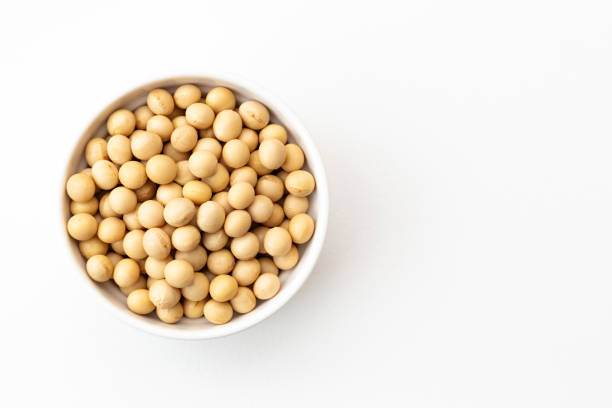
Soybeans are one of the best sources of vegetarian protein. They also contain good saturated fats and a variety of nutrients. Soybeans are low in carbohydrates but high in fiber. It can promote satiety and also keep your blood sugar levels under control. They also contain antioxidants and plant compounds that keep your overall health healthy.
Paneer:
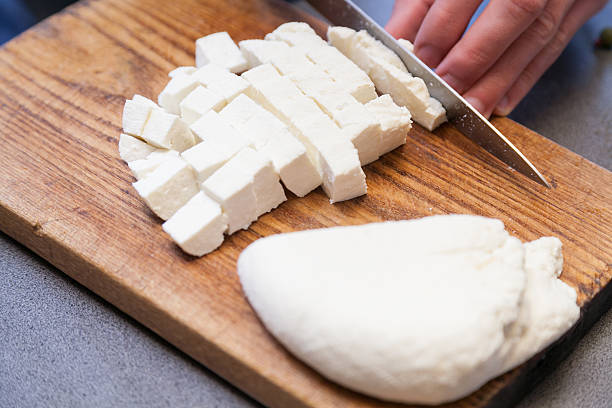
The good old paneer is a great addition to your diet, not only because of its benefits but also because of its versatility. Depending on the amount of calories you need, you can choose paneer made from milk with low-fat milk products. Apart from protein, vitamins, and minerals, paneer also provides the amino acid leucine, which helps in increasing muscle mass.
Chickpeas:

Another Desi food that you must eat is chickpeas. It can be used to make healthy chaats, salads, vegetables, dips, snacks, soups, and more. Along with protein, chickpeas are rich in fiber, manganese, copper, iron, and zinc.
Peanuts:

Are you looking for a protein-rich snack that can also help in increasing muscle mass? Then peanuts can be your go-to option. Like paneer, they also contain a good amount of leucine.
Rajma:

Rajmas are considered to be the most vegetarian source of protein. Rajma is commonly found in many homes in India. Apart from traditional preparations, you can also include it in your salads and other dishes in new ways.
Beans and Lentils:
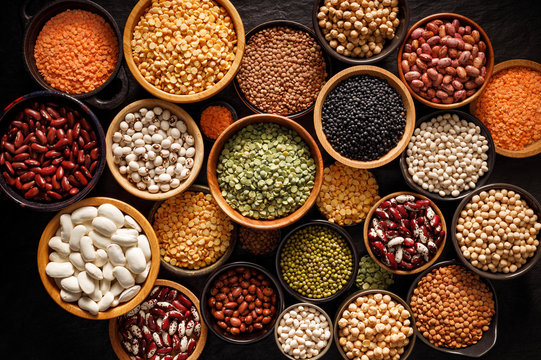
Pulses have an age-old relationship with Indian homes. Pulses are a must in any meal. Cooking nutritious beans and lentils can provide up to 15 grams of protein per cup. You can consume these pulses with anything. You should consume 1 to 2 bowls of pulses in every meal. You should also keep in mind that you need to take more protein from pulses.
Conclusion:
Learning how to build muscle on a vegetarian diet comes down to consistency, smart food choices, and structured training. With adequate protein intake, balanced nutrition, and regular strength exercise, vegetarian diets can fully support muscle development. By planning meals carefully and staying committed, anyone can achieve strong, sustainable muscle growth on a plant-based diet.
Apart from these foods, consider including milk, Greek yogurt, seeds, oats, quinoa, and buckwheat in your daily diet. They are also good sources of protein. Although vegetables do not contain much protein, they can still provide other benefits that help in your fitness target. Generally, it is advised to eat broccoli, spinach, beetroot, sweet potato, etc.
FAQ:
Q. Can you build muscle on a vegetarian diet?
A. Yes, 100%.
You just need:
- Enough protein
- Enough total calories
- Progressive strength training
- Good sleep + recovery
Q. How much protein do I need to build muscle?
A. A good muscle-building range is:
1.6–2.2 g protein per kg body weight/day
Example:
- 60 kg → 96–132 g/day
- 70 kg → 112–154 g/day
If you’re a beginner, even 1.2–1.6 g/kg works well.
Q. What are the best vegetarian protein sources?
A. High-protein vegetarian options:
- Paneer
- Tofu
- Soy chunks
- Soya beans
- Lentils (dal)
- Chickpeas (chana)
- Rajma
- Moong/sprouts
- Milk + curd + Greek yogurt
- Whey protein (vegetarian)
Q. Is plant protein “lower quality” than animal protein?
A. Some plant proteins have:
- Slightly lower leucine
- Not all essential amino acids are in one food
But you can easily fix this by:
✅ Eating variety (dal + rice, roti + chana, etc.)
✅ Hitting your daily total protein
Q. Do vegetarians need more protein than non-vegetarians?
A. Sometimes a little higher helps because plant foods may be less digestible.