

Building muscle requires more than just lifting weights — it also demands a consistent calorie surplus, adequate protein intake, and balanced nutrition. A High-Calorie Vegetarian Diet is an effective way for plant-based eaters to support muscle growth, increase strength, and improve recovery while maintaining a vegetarian lifestyle. With proper planning, vegetarians can meet all nutritional requirements needed for lean muscle development.
This guide explains how a high-calorie vegetarian approach works, which foods to prioritize, how to structure meals, and tips to maximize muscle gain.
Why a High-Calorie Vegetarian Diet Is Important for Muscle Gain
Muscle growth occurs when your body repairs and rebuilds muscle fibers after resistance training. To do this efficiently, your body needs:
- Extra calories to fuel muscle-building processes
- Protein to repair and grow muscle tissue
- Carbohydrates to restore energy and support performance
- Healthy fats for hormones and sustained energy
If you don’t consume enough calories, your body cannot build muscle effectively — even if your workouts are intense. A High-Calorie Vegetarian Diet ensures you stay in a calorie surplus, which is essential for gaining muscle mass.
Key Nutrients for Muscle Building on a Vegetarian Diet:
Are you too skinny, do people make fun of you by calling you dry papad, are you not able to gain weight despite all your efforts? Being overweight is as harmful to health as losing weight. Being underweight or having a very thin body can lead to serious health problems like malnutrition, osteoporosis, loss of muscle strength, hypothermia, and a weakened immune system. So, see below the high-calorie vegetarian diet.
1. Protein (Muscle Repair and Growth):
Protein provides amino acids required for muscle repair and growth. Vegetarians should aim for a variety of protein sources throughout the day.
Good vegetarian protein sources:
Lentils and beans
Chickpeas
Tofu and tempeh
Paneer and yogurt
Soy milk
Quinoa
Nuts and seeds
Recommended intake: About 1.6–2.2 grams of protein per kg of body weight daily (varies by activity level).
2. Carbohydrates (Energy and Recovery):
Carbohydrates provide fuel for workouts and replenish glycogen after exercise.
High-calorie carb sources:
Brown rice
Oats
Whole wheat bread
Potatoes and sweet potatoes
Bananas and dried fruits
Pasta
3. Healthy Fats (Calorie Density and Hormonal Support):
Fats are calorie-dense and help increase total energy intake easily.
Healthy fat sources:
Nuts (almonds, walnuts, peanuts)
Seeds (chia, flax, pumpkin)
Peanut butter or almond butter
Avocados
Olive oil
Foods To Include In High-Calorie Vegetarian Diet:
If you believe that eating only non-veg things like chicken, mutton, and eggs will give life to the muscles and increase weight, then you are wrong. There are some veg foods too, which contain sufficient amounts of calcium, protein, and other essential nutrients to make the body strong and the structure strong.
Nuts and Dry Fruits:
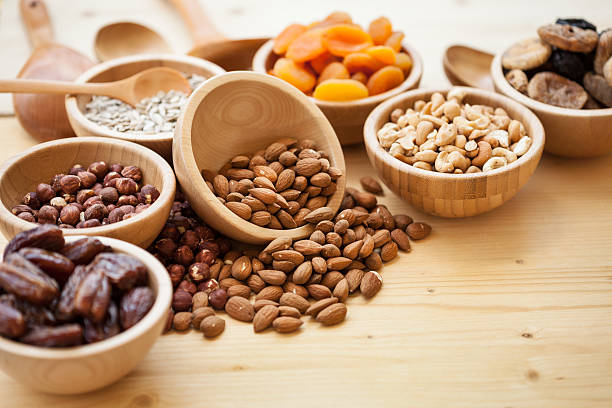
Include nuts and dry fruits rich in calcium and protein in your diet. Eat more nuts like peanuts, almonds, cashews, walnuts and pistachios. One serving (1 ounce) of these contains about 160 high-quality calories. It is a good source of protein, fiber, and healthy fat.
Beans:
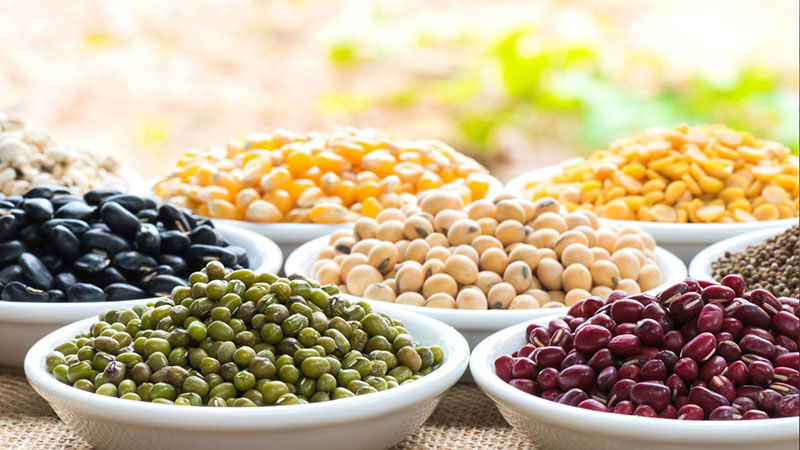
If you do not eat non-veg, then you can increase the intake of foods containing plant-based protein. Keep in mind that some beans contain the highest amount of protein after meat. For this, you can eat black, pinto, navy, and kidney beans. All contain an average of about 15 grams of protein. Apart from this, beans also contain fat and fiber.
Yogurt:

Today we tell you about the amazing benefits of yogurt. Yogurt contains many nutrients along with fat, and protein. Yogurt helps in increasing our weight. You can eat it while eating or whenever you feel like it. To enhance the taste, you can also make a salad by adding cucumber, carrot, beetroot, and black pepper in it.
Lentils and Chickpeas:
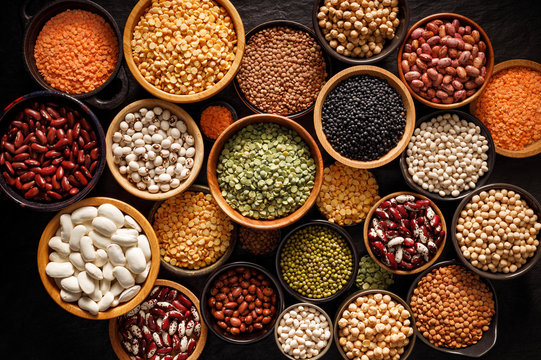
To become fat and strong, you should consume a lot of lentils, peas, gram, soybeans, etc. They have low fat and no cholesterol. These are some of the biggest sources of protein for vegetarians. A cup of cooked lentils has about 18 grams of protein.
Banana:
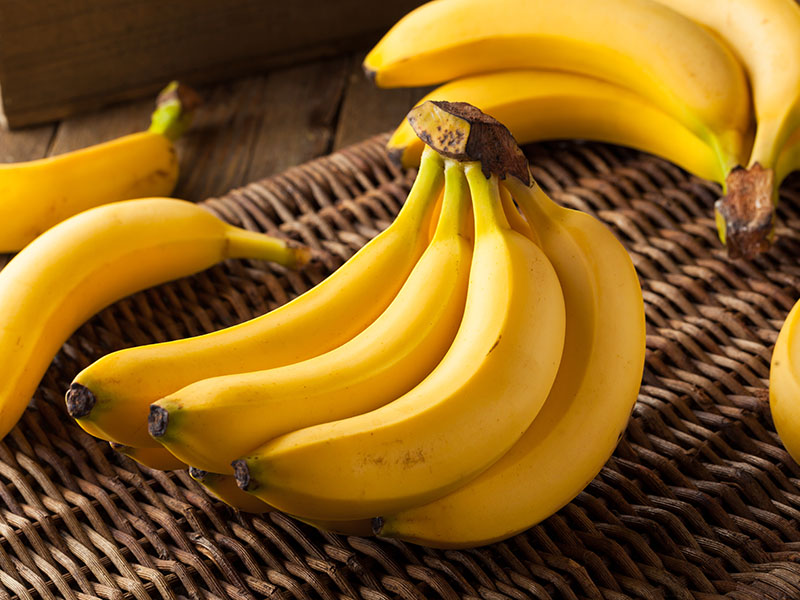
Now let’s talk about bananas. Bananas are high in calories and also have a good combination of nutrients to increase good fat. Apart from this, it also contains a sufficient amount of vitamin A, vitamin C, fiber, potassium, protein, and healthy fats. Eating two to three bananas daily will not only give you fitness but will also strengthen your bones. Eating one banana provides more than 90 calories and more than 20 grams of carbs.
Leafy Greens and Peas:
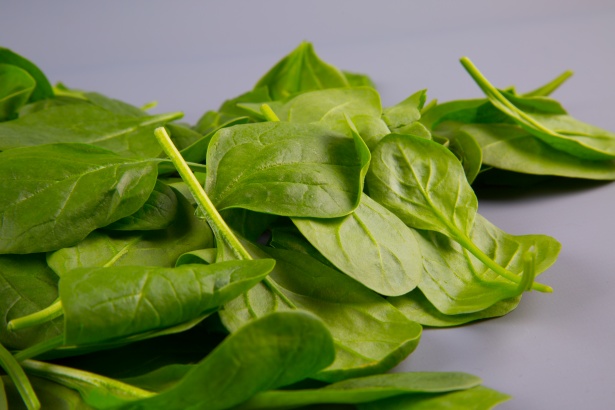
Peas, spinach, kale, and broccoli are the most protein-rich vegetables. Kale, mustard greens, spinach, and others like it can help boost your protein intake. Two cups of kale has about 4 grams of protein, the same amount of mustard greens has 3 grams, and spinach has 2 grams of protein. Add green leafy vegetables to your morning smoothies, and eat a salad at lunch.
Cruciferous Vegetables and Chia Seeds:
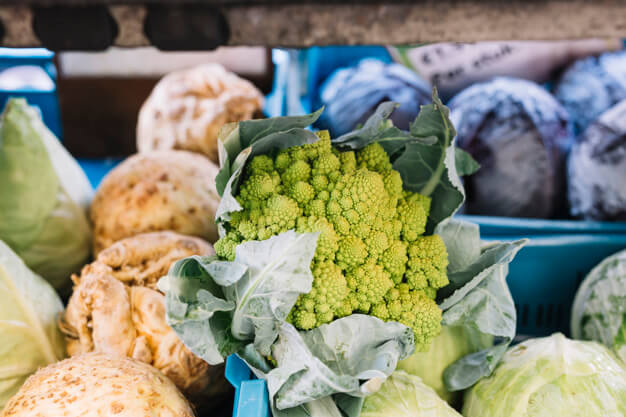
Eating cruciferous vegetables can give you the right amount of protein, especially broccoli will give you more protein. Two cups of raw broccoli contain 5 grams of protein. You can include it in a salad or eat it as a snack in the evening. Apart from these, chia seeds rich in healthy fat and omega 3 are a good source of protein and calcium.
Sample 1-Day High-Calorie Vegetarian Diet Plan:
Breakfast:
Oatmeal cooked with milk
Banana and peanut butter
Handful of nuts
Protein smoothie
Mid-Morning Snack:
Yogurt with granola and honey
Fruit
Lunch:
Brown rice or quinoa
Lentil curry or chickpeas
Paneer or tofu
Salad with olive oil dressing
Pre-Workout Snack:
Banana with peanut butter
Handful of almonds
Post-Workout Meal:
Protein shake with plant milk
Whole-grain toast
Dinner:
Whole wheat roti or pasta
Mixed vegetables
Tofu or paneer curry
Avocado slices
Before Bed:
Warm milk or soy milk
Nuts or seeds
Tips to Increase Calories Easily:
- Eat more frequently (5–6 meals daily)
- Add healthy fats to meals
- Drink calorie-rich smoothies
- Choose full-fat dairy if suitable
- Snack on nuts and dried fruits
- Increase portion sizes gradually
- Track calories to ensure surplus
Common Mistakes to Avoid:
- Not eating enough protein
- Relying only on carbs
- Skipping meals
- Avoiding healthy fats
- Expecting muscle gain without strength training
- Inconsistent calorie intake
Muscle gain requires both nutrition and resistance exercise.
Final Thoughts:
A well-structured High-Calorie Vegetarian Diet can effectively support muscle growth, strength development, and recovery. By combining calorie-dense foods, adequate protein intake, balanced macronutrients, and consistent strength training, vegetarians can build muscle just as successfully as non-vegetarians.
The key is planning meals carefully, maintaining a calorie surplus, and staying consistent with both diet and exercise. With the right approach, gaining muscle on a vegetarian diet is not only possible — it can be highly effective and sustainable.
FAQs:
Q. What is a High-Calorie Vegetarian Diet?
A. A High-Calorie Vegetarian Diet is an eating plan that provides more calories than your body burns, using plant-based and vegetarian foods. It helps support muscle growth, weight gain, and improved recovery from workouts.
Q. Can I really build muscle on a High-Calorie Vegetarian Diet?
A. Yes. Muscle growth depends on calorie surplus, adequate protein intake, and strength training — not on whether protein comes from plants or animal sources. A properly planned vegetarian diet can fully support muscle gain.
Q. How many calories should I eat to gain muscle?
A. Most people need about 300–500 extra calories per day above their maintenance level. The exact amount depends on your body weight, activity level, and fitness goals.
Q. How much protein do I need daily?
A. For muscle gain, aim for 1.6–2.2 grams of protein per kilogram of body weight per day. Spread protein intake evenly across meals for better absorption.
Q. How many meals should I eat per day?
A. Eating 5–6 smaller meals daily can help you consume enough calories without feeling overly full.
Q. Do I need protein supplements?
A. Not always. Many people meet their needs through whole foods. However, plant-based protein powders can be helpful for convenience or higher protein targets.
Q. Can I gain muscle without strength training?
A. No. A High-Calorie Vegetarian Diet provides fuel, but muscle growth requires resistance or strength training to stimulate muscle development.
Q. How long does it take to see muscle gain?
A. With consistent diet and training, noticeable changes usually appear within 4–8 weeks, though this varies by individual.
Q. Will a high-calorie diet cause fat gain?
A. Some fat gain is normal during muscle building. However, a controlled calorie surplus and regular training help maximize muscle gain while minimizing fat.
Q. Is hydration important for muscle growth?
A. Yes. Proper hydration supports performance, recovery, and nutrient transport — all essential for building muscle.