

Apart from diet, yoga can also prove to be very helpful in keeping the kidneys healthy. The kidney is one of the most important organs of our body. It works to purify the blood by removing waste materials from the body. It also helps in managing the functioning of the urinary system, hormone secretion, and blood pressure in the body. So, see below exercise recommendations for people with high creatinine levels.
Exercise Recommendations for People with High Creatinine Levels:
The function of homeostasis in the kidney is also to maintain the level of acids and alkalis in the body. Kidneys are meant to remove extra water and waste products from your blood. These wastes usually come out in the form of urine. In today’s article, we will learn about some yoga asanas that keep the kidneys healthy.
Paschimottasana:

Practicing Paschimottasana stimulates the function of the liver, kidneys, ovaries, and uterus. Along with this, it is effective in the problem of constipation while promoting digestion and toning the abdominal and pelvic organs. Its practice balances the menstrual cycle in women and is effective in conditions like depression, stress, and fatigue by keeping the brain calm.
Steps:
- Start with Dandasana, stretch your legs forward, and keep the ankles together.
- Bend slightly at the knees while keeping your legs straight. Extend your arms upward and keep your spine straight.
- Exhale and empty your stomach. Bend forward at the hips, bringing your upper body to your lower body.
- Try to bring the stomach closer to your thighs while keeping your back straight.
- Keep your arms straight and hold your toes with your fingers.
- Keep your stomach on your thighs, and try to touch your knees with your nose.
- Remain in this posture for some time and then come back to the normal posture.
Chakrasana:
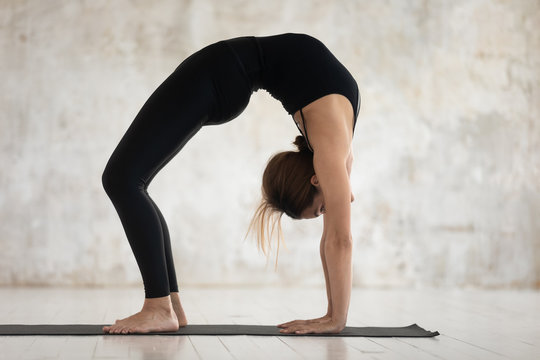
Chakrasana expands your chest and increases the capacity of the lungs. Along with this, it stimulates the liver and kidney processes and enhances blood purification and circulation. It also strengthens the muscles of the hands and legs. Its regular practice also works effectively in case of stress.
Steps:
- To do this asana, you have to stand straight stretch both your hands, and bend the body backward from the waist as much as possible. Both hands have to be kept upside down on the surface.
- If you cannot do it standing, then lie straight on the surface and then slowly lift your waist part up. Make an arch with your body.
- Breathe in this posture and then exhale.
- Now remain in this posture for some time and then come back to the normal posture.
Dhanurasana:

The stomach, thighs, thorax, ankles, throat, and upper body are involved in Dhanurasana. Its practice improves blood circulation, as well as promotes digestion, and liver and kidney function. Not only this, it can also prove to be an important posture for diabetes patients.
Steps:
- Know what is the right way to do it
- Lay down on your stomach by laying a yoga mat on the ground.
- Also, raise your torso and legs. Bend your legs from the knee turn them backward, and you touch your ankle with your hand.
- Once you hold your ankle, remain in this position for 30-60 seconds.
- Now when you start feeling the stretch or pain, remove your hands from the ankles and return to the starting position.
- Repeat this 10-15 times for proper results.
Kapalbhati Pranayama:

The body generates a lot of heat to perform Kapalbhati so that the waste matter and toxins dissolve. At the same time, it improves blood circulation, and digestion metabolism and also strengthens the function of the kidney and liver.
Steps:
- Sit with your legs crossed on a mat, take a deep breath, and then exhale with a light jolt.
- Place the thumb of your hand on one side of the nose and close the nose from one side.
- Take a deep breath from the other side, then close the nose from the other side with your other finger remove the side from which the nose was closed, and exhale.
- Now do the same from the other side. Repeat this process for about 10 to 15 minutes.
Naukasana:
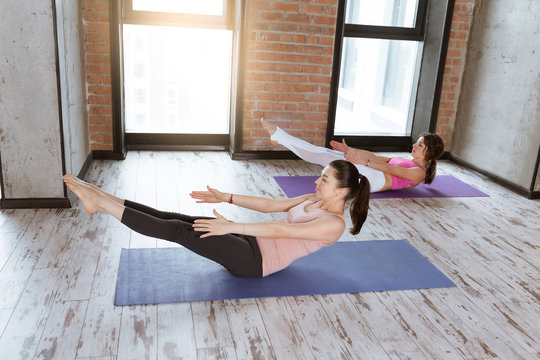
Naukasana is one of the best exercise recommendations for people with high creatinine levels.
Steps:
- Start by lying flat on the ground with the back facing down.
- Place both the arms on either side of the body.
- Inhale and exhale slowly for a few cycles to control the breathing pattern.
- Then lift your upper body off the ground by raising both legs.
- Keep both hands stretched between the body and knees pointing straight ahead.
- Stay in this boat-like position for at least 5 minutes to achieve better muscle flexibility and balance.
- Relax the body as you exhale, slowly bringing it back to the ground.
- While practicing Naukasana regularly, increase the boat pose from 5 minutes to 20 minutes to get the maximum benefits of this exercise and significantly improve blood circulation in the body.
FAQs:
Q. Can people with high creatinine levels exercise safely?
A. Yes, people with high creatinine levels can exercise safely, but the type, intensity, and duration of exercise must be carefully controlled. Light to moderate physical activity is generally safe and beneficial, while intense or strenuous workouts should be avoided unless approved by a doctor.
Q. What types of exercises are best for people with high creatinine levels?
A. Low-impact exercises such as walking, yoga, stretching, light cycling, and gentle swimming are considered the best exercise recommendations for people with high creatinine levels. These activities improve circulation without overloading the kidneys or muscles.
Q. Should strength training be avoided with high creatinine?
A. Heavy weightlifting and high-intensity strength training are usually not recommended, as they can increase muscle breakdown and temporarily raise creatinine levels. Light resistance exercises using body weight or resistance bands may be allowed under medical guidance.
Q. How much exercise is recommended for high creatinine patients?
A. Most experts recommend 20–30 minutes of low to moderate exercise, 4–5 days per week. The key is consistency rather than intensity, ensuring the body is not overstressed.
Q. Can intense exercise increase creatinine levels?
A. Yes. Intense exercise, especially heavy resistance training and high-intensity interval training (HIIT), can increase muscle breakdown and temporarily raise creatinine levels, which may strain the kidneys.
Q. Is yoga safe for people with high creatinine levels?
A. Yes. Yoga is one of the safest exercise recommendations for people with high creatinine levels. Gentle poses, breathing exercises, and relaxation techniques help reduce stress and improve overall kidney health.
Q. Should exercise be stopped if creatinine levels are very high?
A. If creatinine levels are significantly elevated or if symptoms such as extreme fatigue, swelling, or shortness of breath occur, exercise should be stopped and medical advice should be sought immediately.
Q. Does exercise help lower creatinine levels?
A. Exercise does not directly lower creatinine levels, but regular light physical activity helps improve blood circulation, blood pressure control, and overall metabolic health, which indirectly supports kidney function.
Q. Is hydration important during exercise for high creatinine patients?
A. Yes. Proper hydration is crucial, as dehydration can increase creatinine concentration in the blood. However, fluid intake should follow the limits prescribed by a healthcare provider, especially in kidney disease patients.
Q. Should a doctor be consulted before starting an exercise routine?
A. Absolutely. Consulting a doctor or nephrologist is essential before starting or modifying any exercise plan when creatinine levels are high. Individual kidney function, overall health, and treatment stage must be considered.
Conclusion:
Kidneys are a very important organ in your body. It acts like a blood purifier in your body. Around 700 million people are affected by chronic kidney disease all over the world. Patients with kidney diseases think that they cannot do any basic exercise because their condition is not ‘normal’. However, this is not true, and even regular exercise for a short period of 15 to 20 minutes can help them feel better.
 Amrita