

Creatinine is a natural waste product formed from the normal breakdown of muscle tissue. It is filtered out of the blood by the kidneys and excreted through urine. When kidney function declines, creatinine levels can rise in the bloodstream — often indicating kidney stress or damage.
If you are looking for Herbal Remedies for Reducing Creatinine Levels, you are not alone. Many people seek natural ways to support kidney health alongside medical treatment. In this comprehensive guide, we will explore effective herbal remedies, lifestyle changes, dietary tips, and frequently asked questions to help you better understand how to manage elevated creatinine levels safely and naturally.
What Is Creatinine and Why Does It Matter?
Creatinine is a byproduct of creatine phosphate, which muscles use for energy. Healthy kidneys filter creatinine efficiently. However, high creatinine levels may indicate:
Kidney dysfunction
Chronic Kidney Disease (CKD)
Dehydration
Urinary tract obstruction
Certain medications
Normal Creatinine Levels
Men: 0.7 to 1.3 mg/dL
Women: 0.6 to 1.1 mg/dL
Levels vary depending on age, muscle mass, gender, and overall health.
If your levels are elevated, combining medical care with Herbal Remedies for Reducing Creatinine Levels may help support kidney function naturally.
Best Herbal Remedies for Reducing Creatinine Levels
Many people look for the best herbal remedies for reducing creatinine levels to support kidney health naturally. While herbal remedies cannot replace medical treatment for kidney disease, certain herbs and natural foods may help support kidney function, reduce inflammation, and improve detoxification.
This detailed guide explores the best herbal remedies for reducing creatinine levels, how they work, how to use them safely, and additional lifestyle tips for optimal kidney health.
1. Nettle Leaf (Urtica dioica):
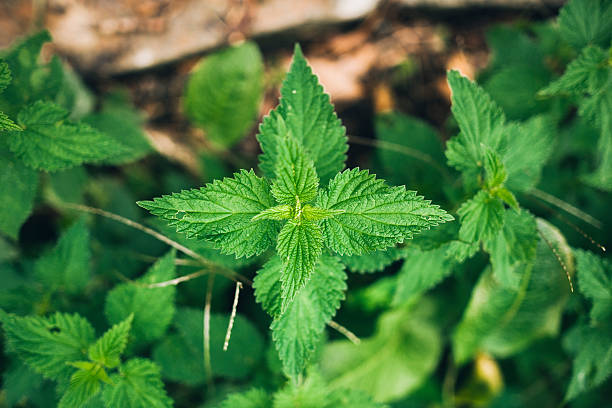
Nettle leaf is one of the most commonly recommended herbs for kidney support.
Benefits:
Acts as a natural diuretic
Helps flush metabolic waste
Supports kidney filtration
Rich in antioxidants
How to Use:
Steep 1–2 teaspoons of dried nettle leaves in hot water for 10 minutes. Drink once or twice daily.
2. Dandelion Root:
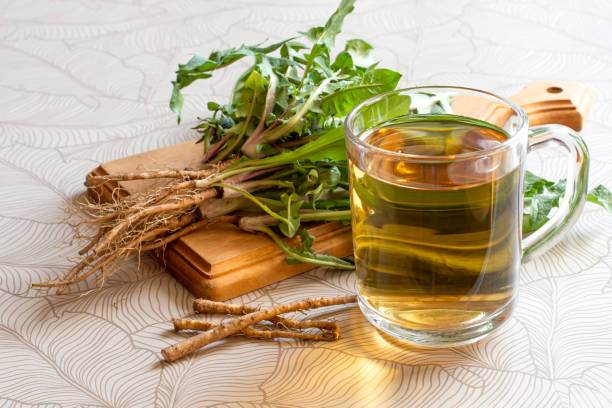
Dandelion root is a powerful natural detoxifier.
Benefits:
Promotes urine production
Reduces fluid retention
Supports liver and kidney detox
May lower creatinine buildup
How to Use:
Boil 1 teaspoon of dried root in water for 5–10 minutes. Drink once daily.
3. Chamomile Tea:

Chamomile tea is known for its calming and anti-inflammatory properties. Some studies suggest it may help reduce serum creatinine levels.
Benefits:
Anti-inflammatory
Antioxidant-rich
Supports relaxation and sleep
How to Use:
Steep chamomile flowers in hot water for 5–10 minutes. Drink 2–3 cups daily.
4. Asparagus:
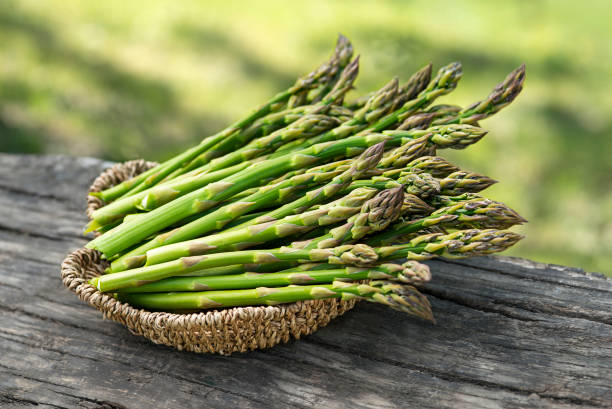
Asparagus is a natural diuretic vegetable that helps eliminate metabolic waste, including creatinine.
Benefits:
Promotes urine output
Rich in vitamins A, C, E, and K
Supports detoxification
Add lightly steamed asparagus to your meals several times a week.
5. Celery:
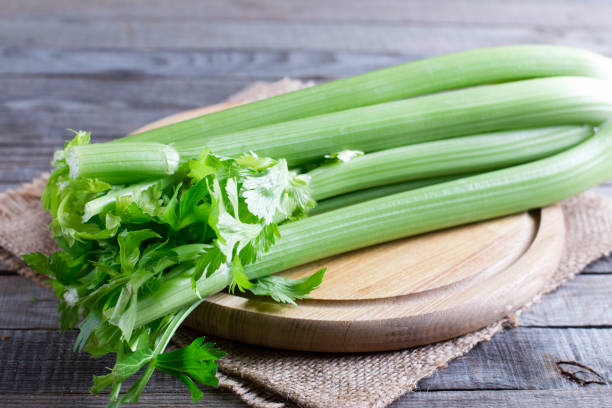
Celery contains antioxidants and natural diuretic properties that support kidney cleansing.
Benefits:
Improves hydration
May lower blood pressure
Supports kidney detox
Drink fresh celery juice or add celery to soups and salads.
6. Green Tea:

Green tea is rich in antioxidants called catechins, which protect kidney cells from damage.
Benefits:
Enhances kidney filtration
Reduces inflammation
Supports metabolic health
Drink 2–3 cups daily for best results.
7. Ginger:
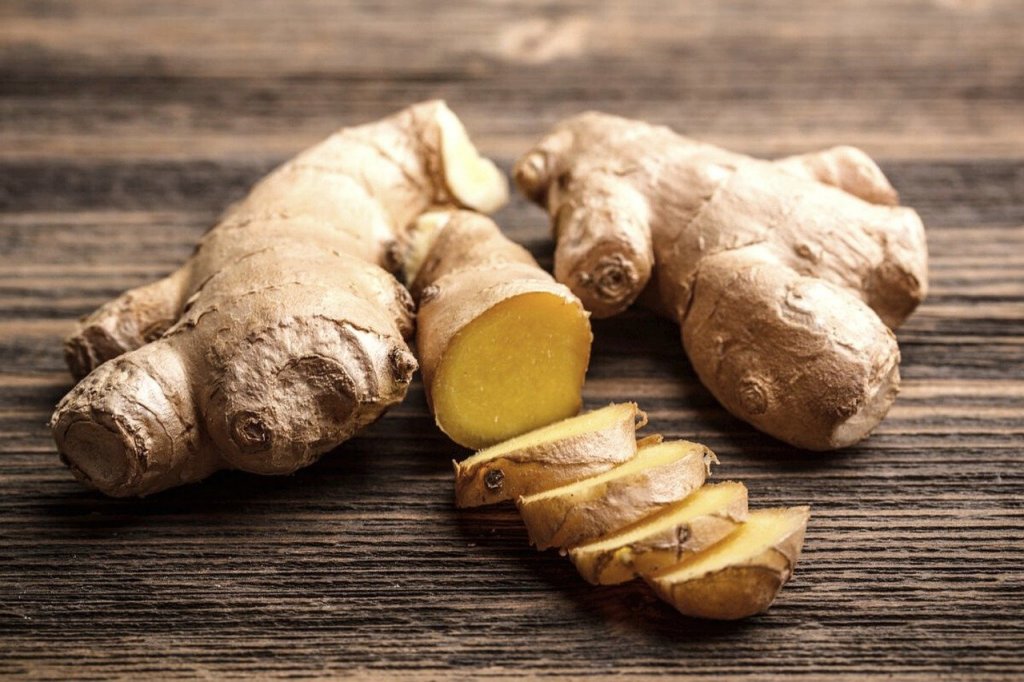
Ginger contains anti-inflammatory compounds that protect kidney tissues.
Benefits:
Improves circulation
Reduces oxidative stress
May lower creatinine
Steep fresh ginger in hot water and drink 2–3 times daily.
8. Cranberry:

Cranberries help prevent urinary tract infections and kidney stone formation.
Benefits:
Supports urinary health
Reduces risk of infections
Contains antioxidants
Drink one cup of unsweetened cranberry juice daily.
9. Onion:
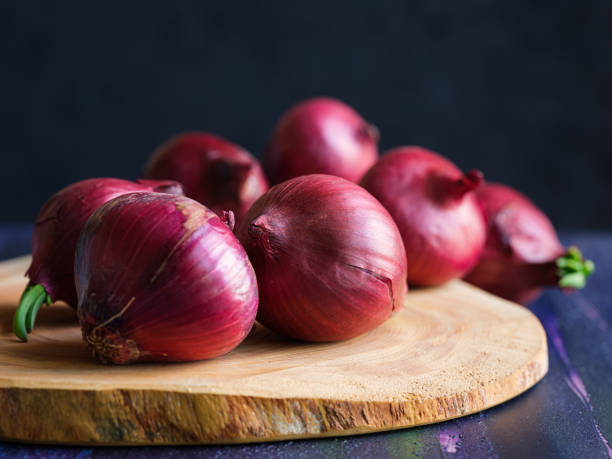
Onions are low in potassium and high in antioxidants, making them kidney-friendly.
Benefits:
Supports cardiovascular health
Reduces oxidative stress
Enhances kidney protection
Add onions regularly to meals.
10. Turmeric:

Turmeric contains curcumin, a powerful anti-inflammatory compound.
Benefits:
Protects kidney cells
Reduces oxidative stress
Supports overall kidney function
How to Use:
Mix ½ teaspoon turmeric in warm milk or water daily.
11. Astragalus Root:
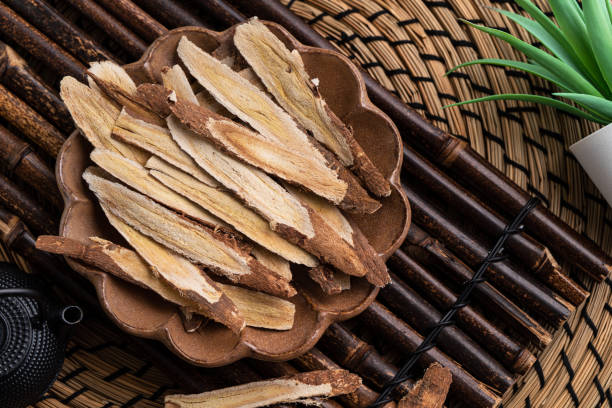
Astragalus is widely used in traditional medicine to support kidney health.
Benefits:
Improves kidney filtration
Supports immune health
May slow kidney disease progression
How to Use:
Take as tea or supplement under professional supervision.
12. Cinnamon
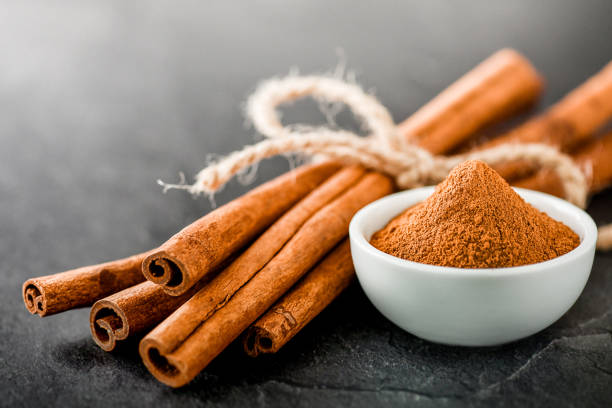
Cinnamon supports blood sugar regulation, which is crucial for kidney protection.
Benefits:
Mild diuretic effect
Antioxidant-rich
Supports metabolic health
How to Use:
Add ½ teaspoon to warm water daily.
13. Garlic:
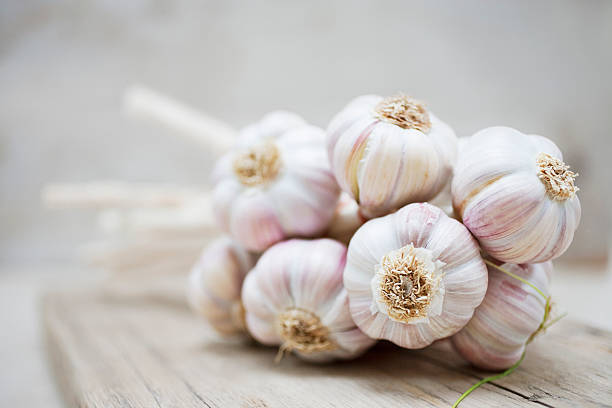
Garlic helps reduce oxidative stress and supports kidney detoxification.
Benefits:
Lowers blood pressure
Supports toxin elimination
Antioxidant effects
Consume 2–4 cloves daily.
14. Olive Leaf Extract:
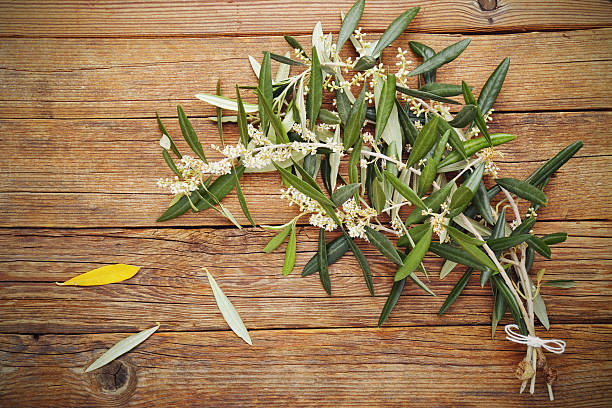
Olive leaf extract contains powerful antioxidants.
Benefits:
Reduces inflammation
Supports cardiovascular health
May help maintain healthy creatinine levels
Take as directed by a healthcare professional.
15. Parsley:
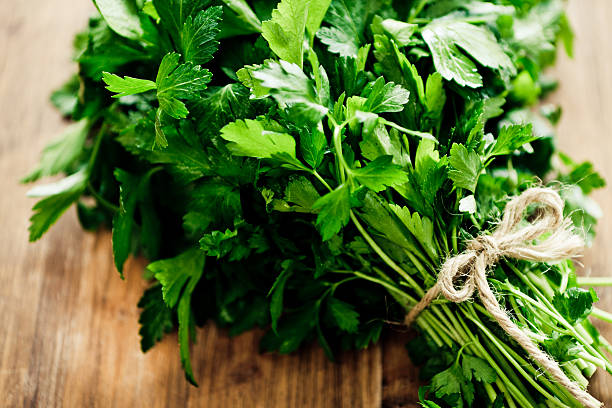
Parsley acts as a natural diuretic and kidney cleanser.
Benefits:
Promotes urine flow
Flushes toxins
Supports kidney function
Boil fresh parsley in water and drink as tea.
Additional Natural Tips for Reducing Creatinine Levels
Besides herbal remedies, consider these lifestyle changes:
Stay Hydrated:
Drink adequate water to help flush toxins.
Reduce Protein Intake:
Excess animal protein may increase creatinine.
Avoid Creatine Supplements:
They can elevate creatinine artificially.
Limit Salt Intake:
Too much sodium strains the kidneys.
Exercise Moderately:
Avoid extreme muscle breakdown from intense workouts.
When to See a Doctor:
While Herbal Remedies for Reducing Creatinine Levels can support kidney health, they should not replace medical treatment. Consult a healthcare professional if you experience:
Swelling in legs or face
Persistent fatigue
Reduced urine output
Shortness of breath
High creatinine can indicate serious kidney issues requiring proper diagnosis.
FAQs:
Q. Can herbal remedies completely cure high creatinine levels?
A. No. Herbal remedies can support kidney health, but cannot replace medical treatment for kidney disease.
Q. How long does it take to reduce creatinine levels naturally?
A. It depends on the underlying cause. With dietary changes and proper care, mild elevations may improve within weeks.
Q. Is drinking more water enough to lower creatinine?
A. Hydration helps if dehydration is the cause, but chronic kidney disease requires medical treatment.
Q. Is green tea safe for kidney patients?
A. In moderate amounts, green tea is generally safe. However, patients with advanced kidney disease should consult their doctor.
Q. What foods should be avoided when creatinine is high?
A.
Red meat
Processed foods
Excess salt
Creatine supplements
Final Thoughts:
Managing kidney health requires a combination of medical care, healthy lifestyle choices, and supportive natural remedies. These Herbal Remedies for Reducing Creatinine Levels, including apple cider vinegar, cinnamon, chamomile tea, ginger, garlic, and green tea, may help improve kidney function when used responsibly.
Always consult your healthcare provider before starting any herbal treatment, especially if you have chronic kidney disease or are taking medication.
By combining natural remedies with professional guidance, you can take proactive steps toward better kidney health and balanced creatinine levels.
 Amrita