

Prediabetes is a condition where blood sugar levels are higher than normal, but not yet high enough to be classified as type 2 diabetes. It serves as a warning sign, indicating that the body is not using insulin effectively. If left unmanaged, prediabetes can progress to type 2 diabetes, but with dietary changes and lifestyle modifications, it’s possible to prevent or even reverse the condition.
One of the most effective ways to manage prediabetes is through a balanced diet that supports healthy blood sugar levels. This includes focusing on foods that help improve insulin sensitivity and avoiding foods that cause blood sugar spikes. So, see below the ultimate prediabetes diet.
Key Principles of a Prediabetes Diet:
- Focus on whole, unprocessed foods: Whole grains, lean proteins, fruits, vegetables, and healthy fats should be your primary sources of nutrition.
- Choose low glycemic index (GI) foods: Low GI foods help regulate blood sugar by releasing glucose slowly into the bloodstream.
- Portion control: Managing portion sizes is crucial in preventing overconsumption of calories and carbs.
- Incorporate fiber: Fiber-rich foods help slow digestion, improve insulin sensitivity, and support healthy blood sugar levels.
- Healthy fats are essential: Opt for unsaturated fats like those found in nuts, seeds, and olive oil, as they can help reduce inflammation and improve heart health.
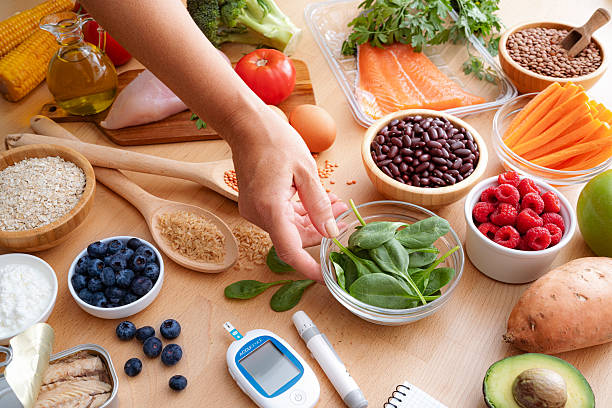
Foods to Eat on a Prediabetes Diet:
Non-Starchy Vegetables:
Examples: Spinach, kale, broccoli, cauliflower, zucchini, peppers, mushrooms, and cucumbers.
Whole Grains:
Examples: Oats, quinoa, brown rice, barley, and whole wheat.
Lean Proteins:
Examples: Skinless poultry, fish, tofu, tempeh, beans, and legumes.
Fruits (in moderation):
Examples: Berries (blueberries, strawberries, raspberries), apples, pears, peaches, and citrus fruits.
Healthy Fats:
Examples: Avocados, nuts (almonds, walnuts), seeds (chia, flax), olive oil, and fatty fish (salmon, mackerel).
Legumes and Beans:
Examples: Lentils, chickpeas, black beans, kidney beans.
Dairy (Low-Fat or Non-Fat):
Examples: Greek yogurt, skim milk, cottage cheese.

Foods to Avoid on a Prediabetes Diet:
Refined Carbs:
Examples: White bread, white pasta, pastries, cookies, and cakes.
Sugary Beverages:
Examples: Soda, sugary coffee drinks, fruit juices with added sugar, sweetened teas.
Fried and Processed Foods:
Examples: Fried chicken, French fries, packaged snacks like chips, and fast food.
Sweetened Breakfast Cereals:
Examples: Sugary cereals, instant oatmeal, and granola bars with added sugars.
Full-Fat Dairy and Fatty Meats:
Examples: Full-fat cheese, cream, fatty cuts of red meat, sausages, and bacon.
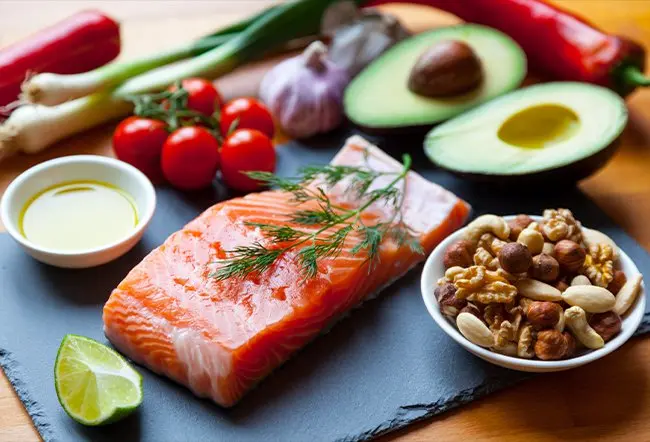
A Sample Prediabetes Diet Chart:
Breakfast:
- 1 small bowl of steel-cut oatmeal with chia seeds, a handful of blueberries, and a drizzle of almond butter.
- 1 cup of unsweetened almond milk or black coffee.
Morning Snack:
- A small handful of mixed nuts (almonds, walnuts, and pistachios).
Lunch:
- Grilled chicken salad with spinach, cucumber, tomatoes, avocado, and olive oil-based dressing.
- 1 whole wheat roll or ½ cup of quinoa.
Afternoon Snack:
- 1 small apple with a tablespoon of almond butter.
Dinner:
- Grilled salmon with roasted Brussels sprouts and a side of brown rice.
Evening Snack (optional):
- A small serving of Greek yogurt (unsweetened) with a sprinkle of cinnamon.
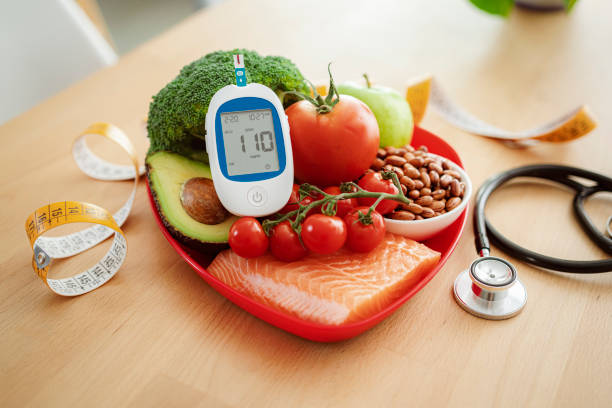
Additional Tips for Managing Prediabetes:
- Stay Active: Regular physical activity can help improve insulin sensitivity and maintain a healthy weight. Aim for at least 30 minutes of moderate exercise, such as walking, most days of the week.
- Monitor Blood Sugar: Keep track of your blood sugar levels to see how different foods and activities affect them. This can help you make adjustments as needed.
- Stay Hydrated: Drink plenty of water throughout the day to stay hydrated and support optimal metabolic function.
- Mind Portion Sizes: While choosing healthy foods is important, portion control is also crucial for preventing excess calorie intake and blood sugar spikes.
Conclusion:
Managing prediabetes through a healthy diet is one of the most effective strategies to prevent the progression to type 2 diabetes. By focusing on whole, nutrient-dense foods, including fiber-rich vegetables, lean proteins, and healthy fats, you can help stabilize blood sugar levels. Avoiding refined carbs, sugary beverages, and processed foods will further support insulin sensitivity and help you maintain a healthy weight. Regular exercise, portion control, and consistent monitoring of blood sugar are essential for long-term success in managing prediabetes.
FAQs:
Q. What is the best diet for prediabetes?
A. A balanced diet emphasizing non-starchy vegetables, high-fiber foods, lean protein, healthy fats, and minimally processed carbohydrates can help manage blood sugar.
Q. What foods should I eat with prediabetes?
A. Choose vegetables, whole grains in appropriate portions, beans and lentils, nuts and seeds, eggs, fish or lean proteins, and whole fruits.
Q. What foods should I limit?
A. Limit sugary drinks, sweets, refined grains such as white bread and many packaged snacks, and highly processed foods. Portion size also matters.
Q. Can I eat rice if I have prediabetes?
A. Yes. You don’t necessarily need to eliminate rice. Consider smaller portions and choose higher-fiber options such as brown rice or other whole grains when practical, pairing them with vegetables and protein.
Q. Can people with prediabetes eat fruit?
A. Yes. Whole fruit can be part of a balanced diet. Whole fruit is generally preferable to fruit juice because it provides fiber and tends to be more filling.
Q. Is breakfast important for prediabetes?
A. A balanced breakfast can help some people maintain consistent eating patterns and avoid large swings in hunger. Focus on protein, fiber, and minimally processed carbohydrates.
Q. Can prediabetes be reversed?
A. For many people, blood glucose levels can return to the normal range through sustainable lifestyle changes, including healthy eating, physical activity, weight management when appropriate, and medical guidance.
Q. How often should I check my blood sugar?
A. Monitoring requirements vary. People with prediabetes should follow their healthcare professional’s recommendations for glucose and A1C testing.
Q. Can I have snacks with prediabetes?
A. Yes, if you are hungry between meals. Options such as nuts, plain yogurt, vegetables with hummus, or a small serving of whole fruit can work well.
Q. Is a prediabetes diet the same as a diabetes diet?
A. They can be quite similar. Both generally emphasize nutrient-dense foods, fiber, appropriate portions, and limiting added sugars and highly refined foods.
 Amrita