
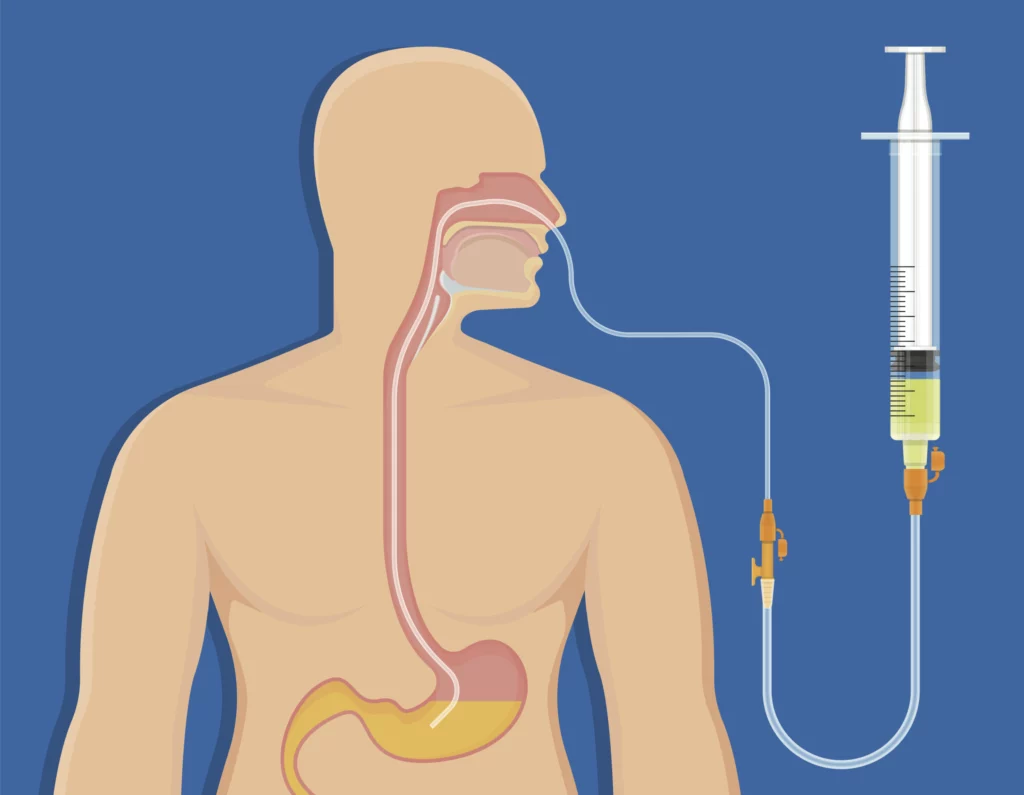
Ryles tube feeding is a life-saving nutritional support method used when a person cannot eat or swallow food normally. It ensures that patients receive adequate nutrition directly through a tube inserted into the stomach via the nose.
For caregivers and family members, managing nutrition through a Ryles tube can feel overwhelming at first. Questions such as what foods can be given, how often to feed, how much nutrition is required, and how to prepare a safe diet chart are common.
This comprehensive guide explains everything about a Ryles tube feeding diet chart, including nutritional requirements, sample meal plans, feeding schedules, and safety precautions.
What is a Ryles Tube?
A Ryles tube, also known as a nasogastric (NG) tube, is a thin, flexible tube inserted through the nose into the stomach. It allows liquid nutrition, medications, and fluids to be delivered directly to the stomach.
Why is a Ryles Tube Used?
Doctors recommend Ryles tube feeding when patients cannot eat normally due to conditions such as:
- Stroke
- Paralysis
- Severe weakness
- Throat cancer
- Esophageal obstruction
- Post-surgery recovery
- Neurological disorders
- Difficulty swallowing (dysphagia)
- Critical illness or unconsciousness
This feeding method helps maintain proper nutrition, hydration, and energy levels during recovery.
Importance of Proper Nutrition in Ryles Tube Feeding
Nutrition plays a critical role in recovery and overall health. Patients receiving Ryles tube feeding still require the same nutrients as people who eat normally.
A balanced Ryles tube diet should provide:
- Calories for energy
- Proteins for tissue repair
- Carbohydrates for fuel
- Healthy fats
- Vitamins and minerals
- Adequate fluids
Improper nutrition can lead to complications such as:
- Weakness
- Weight loss
- Poor immunity
- Delayed healing
- Nutritional deficiencies
Therefore, following a well-planned Ryles tube feeding diet chart is essential.
Nutritional Requirements for Ryles Tube Feeding
The exact nutritional needs vary depending on the patient’s age, weight, medical condition, and activity level.
However, the general daily requirements are:
Calories
Most adults require:
1500–2000 calories per day
Critically ill patients may require more calories depending on medical advice.
Protein
Protein helps repair tissues and maintain muscles.
Recommended intake:
60–80 grams of protein per day
Sources for tube feeding:
- Milk
- Curd
- Eggs
- Lentils
- Soybean
- Protein powders (doctor recommended)
Carbohydrates
Carbohydrates provide energy.
Sources include:
- Rice
- Oats
- Wheat porridge
- Potatoes
- Banana
Fats
Healthy fats increase calorie intake and provide essential fatty acids.
Sources:
- Vegetable oils
- Ghee (in small amounts)
- Butter
- Peanut paste
Fluids
Hydration is essential.
Most adults need:
2–2.5 liters of fluid per day
Fluids may include:
- Water
- Coconut water
- Soup
- Thin fruit juices
Ryles Tube Feeding Diet Chart:
Below is a sample daily Ryles tube feeding diet chart commonly used in hospitals. Always consult a doctor or dietitian before following it.
| Time | Feed | Quantity |
|---|---|---|
| 6:00 AM | Warm water | 100 ml |
| 7:00 AM | Milk + oats blend | 200 ml |
| 9:00 AM | Fruit juice (strained) | 150 ml |
| 11:00 AM | Dal water + rice soup | 200 ml |
| 1:00 PM | Vegetable soup | 200 ml |
| 3:00 PM | Milk or protein drink | 200 ml |
| 5:00 PM | Coconut water | 150 ml |
| 7:00 PM | Khichdi blended | 200 ml |
| 9:00 PM | Milk | 150 ml |
This schedule provides regular nutrition throughout the day without overloading the stomach.
Feeding Methods for Ryles Tube
There are two main feeding methods used for Ryles tube nutrition.
1. Bolus Feeding
In bolus feeding, food is given in portions using a syringe.
Typical amount:
200–300 ml per feed
Frequency:
Every 2–3 hours
Advantages:
- Simple
- Convenient
- Similar to a normal meal pattern
2. Continuous Feeding
In continuous feeding, food is delivered slowly through a feeding pump.
Advantages:
- Better for critical patients
- Reduces nausea
- Improves nutrient absorption
Important Precautions During Ryles Tube Feeding
To ensure safety, caregivers must follow certain precautions.
1. Maintain Hygiene
Always wash your hands before preparing feeds.
Use clean utensils and sterile syringes.
2. Check Tube Position
Before feeding, ensure the tube is correctly placed.
Incorrect placement can cause serious complications.
3. Keep the Patient Upright
The patient should sit at 30–45 degrees during feeding.
This prevents aspiration.
4. Feed Slowly
Rapid feeding may cause:
- Vomiting
- Bloating
- Diarrhea
Feed slowly over 10–15 minutes.
5. Flush the Tube
After feeding, flush the tube with 30–50 ml water to prevent blockage.
Foods to Include in a Ryles Tube Feeding Diet
A balanced tube feeding diet should include various nutrient sources.
Protein Foods
- Milk
- Curd
- Eggs
- Lentils
- Soy milk
Energy Foods
- Rice
- Wheat porridge
- Oats
- Potatoes
Vitamin Sources
- Carrots
- Spinach
- Pumpkin
- Fruits
Healthy Fats
- Vegetable oil
- Butter
- Ghee (small quantity)
Foods to Avoid in Ryles Tube Feeding
Certain foods may block the feeding tube or cause digestive problems.
Avoid:
- Chunky foods
- Raw vegetables
- Seeds
- Nuts
- Thick gravies
- Spicy foods
- Fried foods
Always strain blended food thoroughly.
Signs of Feeding Intolerance
Sometimes, patients may not tolerate tube feeding well.
Watch for symptoms such as:
- Vomiting
- Abdominal swelling
- Diarrhea
- Constipation
- Nausea
- Fever
If these symptoms occur, contact a healthcare professional immediately.
Common Complications of Ryles Tube Feeding:
Although safe, Ryles tube feeding can cause certain complications.
Tube Blockage
Caused by thick food or medication residue.
Prevention: flush the tube regularly.
Aspiration Pneumonia
Occurs when food enters the lungs.
Prevention: keep the patient upright.
Infection
Poor hygiene can cause infections.
Always use clean feeding equipment.
Care Tips for Caregivers
Caring for someone with a Ryles tube requires patience and proper knowledge.
Important tips include:
- Follow the feeding schedule strictly
- Use fresh food preparations
- Discard leftover feed
- Monitor patient weight weekly
- Maintain proper hygiene
- Keep feeding equipment clean
Regular medical check-ups are also essential.
When Can a Ryles Tube Be Removed?
Doctors remove the Ryles tube when the patient can safely swallow food again.
Before removal, doctors may perform tests such as:
- Swallowing tests
- Speech therapy evaluation
- Nutritional assessment
Once normal eating resumes, tube feeding is gradually stopped.
Conclusion:
A well-planned Ryles tube feeding diet chart is essential for patients who cannot eat normally. Proper nutrition supports recovery, improves immunity, and prevents complications.
Caregivers should focus on providing balanced nutrition that includes carbohydrates, proteins, healthy fats, vitamins, and fluids. Homemade liquid foods such as rice porridge, dal water, vegetable soups, and milk blends can provide adequate nutrition when prepared correctly.
At the same time, maintaining hygiene, following feeding schedules, and monitoring the patient’s health are crucial for safe tube feeding.
If you are caring for someone with a Ryles tube, always consult a doctor or dietitian to create a personalized diet plan tailored to the patient’s medical needs.
FAQs:
Q. Can normal food be given through a Ryles tube?
A. Yes, but it must be blended, liquid, and well-strained.
Q. How much food should be given at one time?
A. Usually 200–300 ml per feed, but the doctor may adjust this based on patient needs.
Q. How long can a Ryles tube remain in place?
A. Typically 4–6 weeks. If longer feeding is required, doctors may recommend a PEG tube.
Q. Can medications be given through the tube?
A. Yes, but they must be crushed and dissolved in water before administration.
 Amrita